
In the vibrant mosaic of Venezuelan cuisine, few dishes capture the soul of the nation as profoundly as the arepa.This humble yet versatile cornmeal cake has transcended its simple origins to become a beloved staple, weaving together history, culture, and community in every bite. More then just food, arepas embody the heart of Venezuelan kitchen traditions-offering a timeless link between generations and a culinary canvas that invites endless creativity. Exploring the story of arepas is to delve into the essence of Venezuela itself, where nourishment and heritage come alive on the table.
Arepas: The Heart of Venezuelan Kitchen Traditions
Arepas are more than just a Venezuelan staple; they embody the soul and shared memories of a vibrant culture. Rooted deeply in indigenous history and transformed through centuries of fusion, this humble corn cake has become a symbol of community, comfort, and culinary identity throughout Venezuela. From bustling Caracas street carts to intimate family kitchens, the aroma of fresh arepas tells a story of heritage, resilience, and togetherness.
Prep and Cook Time
Preparation: 10 minutes
Cooking: 15 minutes
Total Time: 25 minutes
Yield
Makes 6 medium arepas (serves 3-4 people)
Difficulty Level
Easy – beginner pleasant with straightforward techniques
Conventional Ingredients and Techniques That Define Authentic Arepas
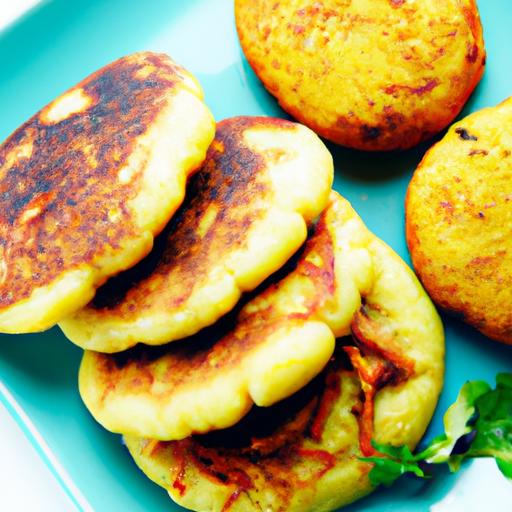
At the core of authentic arepas is the distinctive pre-cooked white cornmeal, known locally as harina precocida. This flour forms the base of the dough,absorbing a precise amount of warm water and salt to produce a pliable,slightly tacky texture. Simplicity reigns here-no eggs, no butter-just the pure essence of corn. The dough is gently hand-shaped into thick discs, then cooked over a hot griddle or skillet.
The technique is crucial: a well-made dough should feel soft yet sturdy enough to hold fillings without crumbling.Cooking the arepas until they develop a golden-brown crust encases the moist, tender interior, creating that signature contrast. Traditional kitchens frequently enough use cast iron or clay comales, which impart subtle smoky notes, further enriching the flavor.
Exploring Popular Arepa Fillings and Regional Variations
The beauty of arepas lies in their versatility. Across Venezuela, fillings range from the classic and beloved Reina Pepiada-a creamy avocado and shredded chicken mixture-to Queso de Mano, a soft hand-pulled cheese prized for its meltiness. Coastal regions favor seafood or black bean-stuffed arepas, while mountain areas might include smoked brisket or savory pork.
Some iconic filling ideas include:
- Pabellón Arepa: shredded beef, black beans, fried plantains, and cheese, encapsulating Venezuelan comfort food
- Perico: scrambled eggs with sautéed peppers and onions for a shining breakfast twist
- Chipilín: for the adventurous, a leafy green indigenous to Venezuela, mixed with cheese
Tips for Perfecting Your Homemade Arepas Every Time
Ingredients You’ll Need
- 2 cups pre-cooked white cornmeal (harina precocida)
- 2 ¼ cups warm water
- 1 teaspoon salt
- 2 tablespoons vegetable oil (for cooking)
Step-By-Step Instructions
- Mix water and salt: In a large bowl, combine the warm water with salt until dissolved.
- Add the cornmeal: Slowly pour in the pre-cooked cornmeal while stirring with your hand or a spoon to prevent lumps.
- Knead the dough: onc combined, knead for about 3-4 minutes until smooth and moist but not sticky. cover with a damp towel and let rest for 5 minutes.
- Shape the arepas: Divide dough into 6 equal portions. Roll each into a ball and flatten to about ¾ inch thick discs.
- Cook the arepas: Heat a non-stick skillet or griddle over medium heat and brush with oil. Place the arepas and cook for 5-7 minutes per side, until a golden crust forms.
- Bake for fluffiness: For a soft interior, transfer the arepas to a preheated oven at 350°F (175°C) for an additional 10 minutes.
- Slice and fill: Let cool briefly, then carefully slice open horizontally and stuff with your favorite filling.
Chef’s Notes: Tips for Success
- Use warm water to ensure the cornmeal hydrates properly and dough becomes pliable.
- Adjust water amount slightly if the dough feels too dry or crumbly; it should hold together without being sticky.
- Resting the dough is essential-it allows the cornmeal to fully absorb moisture.
- Cooking both on the stove and finishing in the oven locks in moisture and creates a delightful crust.
- Experiment with different fillings to explore the diverse Venezuelan flavors.
- Arepas can be made ahead and refrigerated; reheat on a skillet or oven for best texture.
Serving Suggestions
Serve arepas hot, stuffed generously and garnished to elevate your meal:
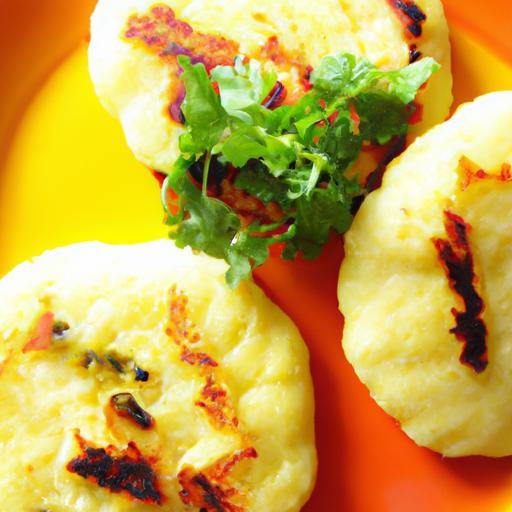
- Fresh cilantro or parsley for a burst of color and freshness.
- A drizzle of hot sauce or crema for creaminess and heat.
- Sides of pickled red onions or avocado slices amplify textural contrasts.
- Pair with a tropical fruit juice or traditional Venezuelan coffee to complete the experience.

| Nutritional Details (per arepa) | calories | protein | carbohydrates | Fat |
|---|---|---|---|---|
| Plain Arepa | 200 kcal | 4 g | 42 g | 1 g |
| Arepa with Chicken Avocado Filling | 350 kcal | 20 g | 45 g | 10 g |
For more Venezuelan culinary delights, explore our collection of authentic Venezuelan recipes. Deepen your understanding of traditional corn preparations at FAO’s detailed article on corn food traditions.
Q&A
Q: What exactly are arepas?
A: Arepas are round,flat cornmeal cakes that are a staple food in Venezuelan cuisine. Made from ground maize dough or pre-cooked corn flour, they are versatile, simple, and can be grilled, baked, fried, or boiled. Their neutral flavor makes them the perfect canvas for a wide range of fillings and toppings.
Q: Why are arepas considered the heart of Venezuelan kitchen traditions?
A: Arepas are deeply embedded in Venezuelan daily life and culture. They transcend being just a meal; they represent family gatherings, regional identity, and the country’s agricultural roots.Across generations, the preparation and sharing of arepas unify Venezuelans, making them a living symbol of heritage and community.
Q: How have arepas evolved over time in Venezuela?
A: Historically, arepas were made by indigenous peoples and crafted from native maize varieties. Over time, influences from Spanish colonization introduced new cooking techniques and fillings such as cheese, meats, and beans. Today, arepas embody a fusion of indigenous, African, and European culinary traditions, reflecting Venezuela’s rich multicultural tapestry.
Q: What are some popular fillings for arepas?
A: Popular fillings vary widely but often include shredded beef (carne mechada), black beans and cheese (reina pepiada), chicken salad, avocado, and various types of cheeses. The beauty of arepas lies in their adaptability-they can be stuffed with anything from simple butter to elaborate combinations, suiting every taste and occasion.
Q: How are arepas typically consumed during Venezuelan meals?
A: Arepas serve as an all-day food. Breakfast might start with a simple arepa with butter or cheese, lunch could feature heartier stuffed versions, and dinner frequently enough involves communal preparation and sharing. They can be both a quick snack and a celebratory dish, making them integral to Venezuela’s culinary rhythm.
Q: Can arepas be found outside Venezuela?
A: Absolutely. Due to migration and globalization,venezuelan arepas have gained international popularity. You’ll find arepa restaurants and food trucks in cities worldwide, offering a taste of Venezuelan tradition far beyond its borders while adapting to local ingredients and preferences.
Q: What makes arepas unique compared to other corn-based dishes in Latin America?
A: While many Latin American countries have corn-based foods, Venezuelan arepas distinguish themselves through their unique texture and method of preparation-made from pre-cooked corn flour which gives them a distinctive softness and crust. Moreover,the cultural rituals surrounding their making and sharing are especially central to Venezuelan identity.
Q: How can someone new to Venezuelan cuisine best appreciate arepas?
A: To truly appreciate arepas, explore the diversity of fillings and preparation styles.Start with a classic simple arepa to savor the corn flavor, then experiment with traditional fillings like reina pepiada. Understanding their cultural importance adds depth and appreciation beyond just taste, connecting you to the heart of Venezuela’s kitchen traditions.
To Wrap It Up
In the rich tapestry of Venezuelan cuisine, the arepa stands as more than just a humble cornmeal cake-it is a symbol of heritage, community, and comfort. Whether toasted on a rustic grill or filled with an array of savory delights, arepas carry the flavors of generations, connecting past to present with each warm, golden bite. As the heart of kitchens across Venezuela, they invite us to savor not only their taste but also the stories and traditions woven into every fold. In exploring the world of arepas, we uncover more than a dish; we discover a vibrant cultural emblem that continues to nourish both body and soul.