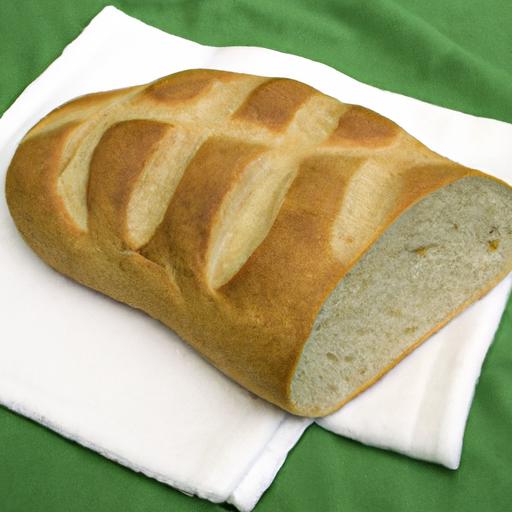

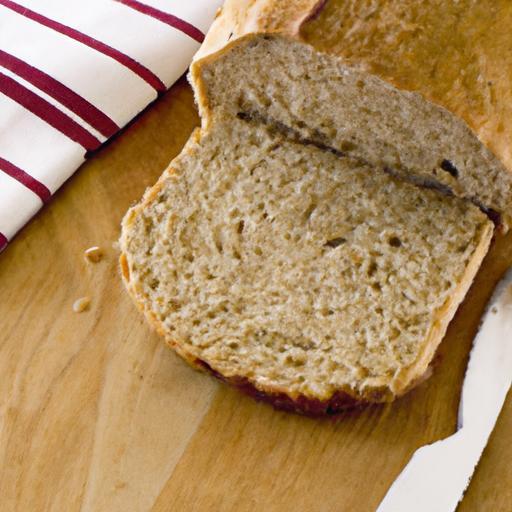
In a world where food choices are both abundant and complex, whole wheat bread stands out as a steadfast symbol of nourishment and simplicity. Far more than just a pantry staple, this humble loaf carries with it a rich heritage, a hearty texture, and a depth of flavor that resonates with health-conscious eaters and culinary enthusiasts alike. As we slice into the story of whole wheat bread, we uncover not only its nutritional virtues but also the subtle art behind its wholesome appeal-a flavorful balance between tradition and taste that continues to enrich our tables day after day.
Whole wheat bread stands as a delightful testament to wholesome eating, marrying rich nutrition with a rustic, nutty flavor that elevates every meal. This time-honored staple, revered across cultures, offers more than just sustenance – it delivers a wholesome blend of fiber, vitamins, and minerals wrapped in its hearty crumb. Whether you’re a passionate baker or a health-conscious foodie, understanding the nuances of whole wheat bread’s flavor profiles and baking techniques will inspire your next kitchen creation.
Prep and Cook Time
Preparation: 20 minutes
Rising: 1 hour 30 minutes
Baking: 30-35 minutes
Total Time: Approximately 2 hours 25 minutes
Yield
Makes 1 loaf (about 12 slices)
Difficulty Level
Medium – Ideal for bakers with some experience who want to deepen their skill with whole grain doughs.
Ingredients
- 3 cups whole wheat flour, sifted for better texture
- 1 cup bread flour, to strengthen gluten
- 1 ¼ cups warm water (about 110°F/43°C)
- 2 tablespoons honey or maple syrup, for subtle sweetness
- 1 teaspoon salt, fine sea salt preferred
- 2 tablespoons olive oil, for moist crumb and tenderness
- 2 teaspoons active dry yeast
Instructions
- Activate the yeast: In a small bowl, combine warm water and honey. Sprinkle in yeast and gently stir.Let it rest for 5-10 minutes until foamy, indicating the yeast is alive.
- Mix dry ingredients: In a large mixing bowl, whisk together the whole wheat flour, bread flour, and salt until evenly blended.
- Combine wet and dry: Make a well in the flour mixture, pour in the yeast mixture and olive oil. Stir with a wooden spoon until a shaggy dough forms.
- Knead: Transfer dough onto a lightly floured surface. Knead vigorously for about 8-10 minutes until a smooth and elastic dough develops. Slight tackiness is normal; avoid adding too much flour.
- First rise: Place dough in a lightly oiled bowl, cover with a damp towel or plastic wrap, and leave in a warm spot for 1 hour or until doubled in size.
- Shape and second rise: Punch down the dough gently, shape into a loaf, and place into a greased 9×5-inch loaf pan. Cover and let rise another 45 minutes until it reaches the pan’s edge.
- Bake: Preheat oven to 375°F (190°C). Bake the loaf for 30-35 minutes or until the crust is golden brown and the bread sounds hollow when tapped.
- Cool: Remove from oven and transfer to a wire rack. Let cool completely before slicing to preserve crumb structure.
chef’s Notes: Tips for Success
- for an even richer flavor, consider substituting half the water with buttermilk or adding a tablespoon of molasses.
- If your dough feels too dense or hard to knead, rest it for 10 minutes and continue kneading – whole wheat flour absorbs moisture more slowly.
- Try incorporating toasted oats or sunflower seeds into the dough for added texture and flavor complexity.
- Make-ahead tip: After baking and cooling, slice and freeze the bread. Toast slices directly from frozen for maximum freshness.
- Use filtered water if your tap water is heavily chlorinated as it can inhibit yeast activity.
Serving Suggestions
Whole wheat bread shines in its versatility. Toast slices lightly and spread with creamy almond butter and a drizzle of local honey for breakfast. Serve thick-cut for a hearty sandwich layered with avocado, roasted turkey, and crisp arugula.For a rustic touch, brush slices with garlic-infused olive oil and toast as a base for bruschetta topped with ripe tomatoes and fresh basil. Garnish your plate with fresh herbs like rosemary or thyme to echo the bread’s earthy undertones.
| Nutritional Component | Amount per Slice |
|---|---|
| Calories | 110 kcal |
| Protein | 5 g |
| Carbohydrates | 20 g |
| Fat | 1.5 g |
| fiber | 3.5 g |

Looking to dive deeper into bread baking? Check out our Artisan Sourdough Baking Guide to complement your whole wheat bread skills.
For further insights into the health benefits of whole grains, visit the USDA’s official grain nutrition page.
Q&A
Q&A: Whole Wheat Bread – A Wholesome Slice of Nutrition and Flavor
Q1: What makes whole wheat bread different from white bread?
A1: whole wheat bread is made from flour that contains the entire wheat kernel – bran, germ, and endosperm – whereas white bread is typically made from refined flour that has had the bran and germ removed. This means whole wheat bread retains more nutrients, fiber, and natural flavor.
Q2: Why is whole wheat bread considered healthier?
A2: Whole wheat bread is packed with dietary fiber, vitamins (like B vitamins), minerals (such as iron and magnesium), and antioxidants. These components aid digestion, help maintain steady blood sugar levels, and support heart health, making it a more nutritious choice than refined bread.
Q3: Does whole wheat bread taste different from white bread?
A3: Yes, whole wheat bread has a heartier, nuttier flavor and a denser texture compared to the soft, mild taste of white bread.This richer flavor can add depth to sandwiches, toast, and other dishes.
Q4: Can whole wheat bread be part of a balanced diet?
A4: Absolutely.Incorporating whole wheat bread into meals provides essential nutrients and fiber, contributing to sustained energy and digestive health. Just be mindful to balance it with a variety of fruits, vegetables, proteins, and healthy fats.
Q5: Are there any tips for selecting quality whole wheat bread?
A5: Look for bread labeled “100% whole wheat” to ensure you’re getting the full nutritional benefits. Avoid breads with excessive added sugars, preservatives, or artificial ingredients. Checking the ingredient list and nutrition facts can help you choose wisely.
Q6: How can whole wheat bread enhance culinary creations?
A6: Its robust flavor pairs well with both savory and sweet toppings – think avocado, nut butters, sharp cheeses, or fresh jams. Whole wheat bread also works beautifully in recipes like croutons, stuffing, or French toast, adding a nutritious twist.Q7: Is whole wheat bread suitable for everyone?
A7: While whole wheat bread is healthy for most people, those with gluten sensitivity or wheat allergies should avoid it. People with certain digestive conditions may also need to moderate their intake of high-fiber foods.
Q8: How can one bake wholesome whole wheat bread at home?
A8: Baking whole wheat bread involves mixing whole wheat flour with yeast, water, a pinch of salt, and sometimes natural sweeteners or fats for moisture. Kneading and allowing the dough to rise properly results in a fresh, flavorful loaf that fills your kitchen with inviting aromas.
Whole wheat bread is much more than a pantry staple-it’s a nourishing, flavorful companion to your daily meals, offering both health benefits and culinary delight in every wholesome slice.
Wrapping Up
whole wheat bread stands as more than just a staple-it is a humble yet powerful testament to nature’s bounty and time-honored tradition. With each wholesome slice, it offers a blend of rich flavor and nourishing goodness that feeds both body and soul. Whether toasted to a golden crisp or gently warmed, whole wheat bread invites us to savor simplicity while nurturing our well-being. As we continue to seek balance in our diets, this unassuming loaf remains a steadfast companion on our journey toward a healthier, more flavorful life.