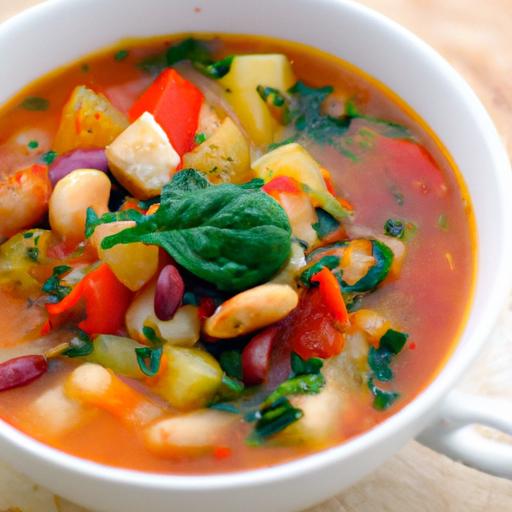

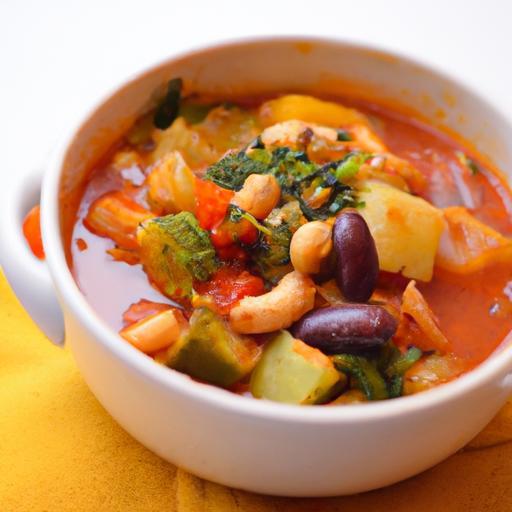
ThereS something uniquely soothing about a warm bowl of minestrone soup-a vibrant medley of fresh vegetables, tender beans, and savory broth that comes together in perfect harmony. This hearty Italian classic has long been celebrated for it’s comforting qualities and nourishing richness, making it an ideal choice for those seeking both flavor and sustenance. Whether served as a cozy lunch or a fulfilling dinner, a bowl of minestrone delivers a satisfying experience that warms teh soul and delights the palate. In this article, we explore the essence of this timeless dish and what makes it a beloved staple in kitchens around the world.
A Comforting Bowl of Hearty Minestrone Soup Delight invites you to embrace the vibrant symphony of fresh vegetables, fragrant herbs, and rich, soul-soothing broth. This recipe embodies classic Italian warmth, melding simple yet robust flavors into a comforting masterpiece that is as nourishing as it is appetizing. Drawing on the garden’s bounty and aromatic staples, each spoonful offers a harmonious balance between crisp freshness, earthy depth, and satisfying texture-a timeless dish perfect for any season.
prep and Cook Time
Preparation: 20 minutes
Cooking: 50 minutes
Total Time: 1 hour 10 minutes
Yield
Serves 6 generous portions-ideal for sharing around the family table or a cozy dinner for two with plenty of leftovers.
Difficulty Level
Easy to Medium – suitable for cooks of all levels, with straightforward steps and flexible ingredients.
ingredients
- 2 tablespoons extra-virgin olive oil
- 1 medium yellow onion, finely diced
- 2 cloves garlic, minced
- 2 medium carrots, peeled and diced
- 2 celery stalks, diced
- 1 medium zucchini, diced
- 1 cup fresh green beans, trimmed and cut into 1-inch pieces
- 1 cup diced tomatoes, canned or fresh
- 1 (15 oz) can cannellini beans, drained and rinsed
- 1/2 cup small pasta (ditalini or acini di pepe)
- 6 cups vegetable broth (preferably homemade or low-sodium store-bought)
- 2 sprigs fresh rosemary
- 3 sprigs fresh thyme
- 1 cup fresh spinach leaves, roughly chopped
- Salt and freshly ground black pepper, to taste
- Freshly grated Parmesan cheese (optional, for serving)
- Fresh basil leaves, torn for garnish
Instructions
- Warm the olive oil over medium heat in a large, heavy-bottomed pot.Add the onion,garlic,carrot,and celery and sauté until the onion is translucent and vegetables begin to soften,about 5-7 minutes. Stir occasionally to prevent sticking and promote even cooking.
- Add the zucchini, green beans, and diced tomatoes, allowing them to cook for an additional 5 minutes, stirring gently. This step unlocks their luminous flavors and starts melding the textures.
- Pour in the vegetable broth, then drop in the fresh rosemary and thyme sprigs. Bring the mixture to a gentle boil, then reduce heat to low and simmer uncovered for 25 minutes. This simmering infuses the broth with depth and warmth, creating the backbone of your soup.
- After simmering, remove the herb sprigs. Stir in the cannellini beans and small pasta. Continue cooking until the pasta is al dente, about 12-15 minutes. Stir occasionally to prevent clumping and ensure even cooking.
- in the final 3 minutes, fold in the chopped spinach and cook just until wilted, preserving its vibrant color and nutrition.
- Season with salt and freshly ground black pepper to taste.Remember, if your broth is salted, add sparingly for balance.
- Serve piping hot with a sprinkle of fresh basil leaves and freshly grated Parmesan cheese for an added layer of indulgence and freshness.
Chef’s Notes: Personalizing Your Minestrone
- Vegetable Variations: Feel free to substitute or add seasonal vegetables such as butternut squash, kale, or peas. Root vegetables like parsnips add subtle sweetness.
- Herbs: Dried herbs work in a pinch, but fresh rosemary and thyme truly elevate the broth’s aroma. Experiment with bay leaves or oregano for a Mediterranean twist.
- Beans: Kidney beans,chickpeas,or borlotti beans offer delightful variations in texture and flavor. Always soak dried beans overnight or use canned beans for convenience.
- Pasta Choices: Use any small-shaped pasta you enjoy. For a gluten-free option, consider quinoa or rice pasta, adjusting cooking times accordingly.
- Make-Ahead Tips: This hearty minestrone tastes even better the next day as flavors meld. Store in an airtight container in the refrigerator for up to 3 days. Add fresh spinach and pasta during reheating to maintain texture.
Serving suggestions
Serve your A Comforting Bowl of Hearty Minestrone Soup Delight in rustic bowls, garnished with a drizzle of extra-virgin olive oil and a sprinkle of Parmesan. Freshly torn basil leaves will add a fragrant punch of color. Pair it with crusty whole-grain bread or garlic-rubbed toasts for a truly satisfying meal. For an elegant touch, accompany the soup with a crisp green salad tossed in lemon vinaigrette.

| Nutrient | Per Serving |
|---|---|
| Calories | 220 kcal |
| Protein | 10 g |
| Carbohydrates | 35 g |
| fat | 5 g |
For more wholesome dinner inspirations, explore our collection of vegetable soup recipes.To deepen your knowledge about the nutritional benefits of hearty soups, visit EatRight’s expert guide.
Q&A
Q&A: A Comforting Bowl of Hearty Minestrone Soup Delight
Q: What makes minestrone soup a comforting meal?
A: Minestrone soup is the embodiment of comfort because it combines a rich medley of fresh vegetables, beans, and pasta or rice in a savory broth. This harmonious blend not only warms the body but also satisfies the soul with its wholesome and hearty nature.
Q: Which ingredients are essential to a traditional minestrone soup?
A: At its core, traditional minestrone features seasonal vegetables like carrots, celery, zucchini, and tomatoes, alongside beans such as cannellini or kidney beans. Aromatic herbs like basil and oregano, garlic, and a splash of olive oil enhance its deep, homey flavor, while pasta or rice add texture and substance.
Q: How can one customize minestrone to suit different tastes or dietary needs?
A: Minestrone’s flexible nature makes it easy to adapt. For a vegetarian or vegan option, simply omit any meat-based broths and use vegetable stock rather. Those seeking extra protein can add beans or tofu, while gluten-free eaters can swap traditional pasta for gluten-free varieties or quinoa.
Q: What is the best way to serve minestrone soup?
A: Minestrone is delightful on its own, but serving it with freshly grated Parmesan or a sprinkle of nutritional yeast elevates the umami. Pairing it with crusty bread or a simple green salad turns it into a satisfying, balanced meal perfect for any season.
Q: Why does minestrone soup hold such enduring popularity worldwide?
A: Its enduring appeal lies in its simplicity and versatility.Minestrone reflects the seasons and local ingredients, making it both accessible and endlessly adaptable. It’s a nourishing, heartfelt dish that brings warmth and comfort to tables across cultures.
Q: Are there any tips to enhance the flavor of homemade minestrone?
A: Slow simmering allows the flavors to meld beautifully. Adding a Parmesan rind during cooking can deepen the broth’s richness, and finishing with fresh herbs right before serving brightens the taste. Don’t forget to season gradually and taste frequently enough for the perfect balance.
Q: How can minestrone soup be stored or reheated without losing its quality?
A: Minestrone keeps well in the refrigerator for up to three days and often tastes even better the next day as flavors continue to develop. When reheating, add a little extra broth or water if it has thickened, and heat gently to preserve the texture of the vegetables and pasta.
Future Outlook
as the steam rises gently from your bowl,carrying the rich aroma of simmered vegetables and herbs,the comforting embrace of hearty minestrone soup reminds us that sometimes,simple ingredients come together to create something truly nourishing. Whether shared with loved ones or savored in quiet moments alone, this timeless classic offers warmth and satisfaction in every spoonful-a delicious reminder that comfort can often be found in the most humble of dishes.