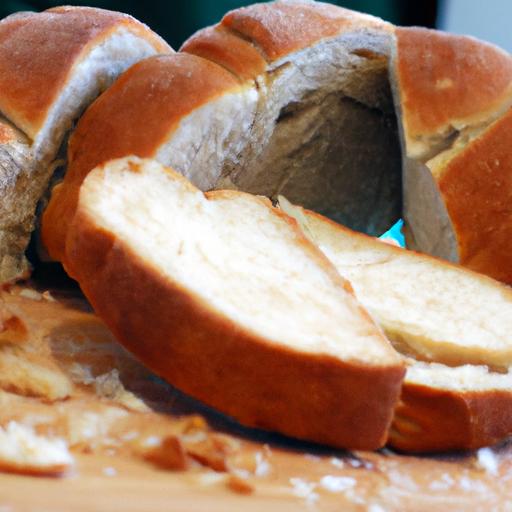

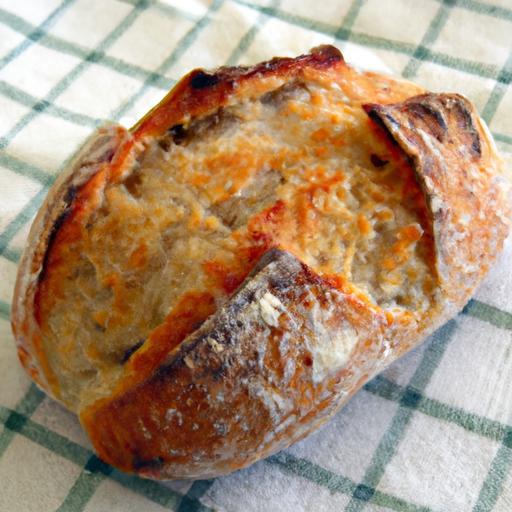
In the rich tapestry of french culinary tradition,few treats embody the warmth and complexity of seasonal flavors quite like pain d’épices. This spiced bread, with its deep amber hue and fragrant blend of honey and spices, offers more than just a taste-it tells a story of heritage, regional nuances, and the timeless art of baking. As we unwrap the layers of pain d’épices, we invite you to explore its origins, its unique character, and the subtle magic that transforms simple ingredients into a beloved symbol of French gastronomy.
Pain d’Épices Unwrapped: The Essence of French Spice Bread opens a flavorful portal to centuries of French tradition, where aromatic spices mingle with dark honey to create a warm, comforting loaf. Originating in the Alsace and Lorraine regions, this cherished bread was historically a symbol of festive gatherings and hearthside moments, imbued with cultural meaning and seasonal charm. Discovering its roots unveils a story of humble ingredients woven into celebrations, storytelling, and artisanal craft. Whether enjoyed by candlelight during winter or as a citrus-infused treat, pain d’épices carries a timeless allure.
Prep and Cook Time
- Planning: 15 minutes
- Resting (fermentation): 12 hours (preferably overnight)
- Baking: 60-70 minutes
- Total Time: Approximately 13 hours (mostly hands-off)
Yield
Makes one standard 9×5-inch loaf, serving 8-10 slices
Difficulty Level
Medium: Requires patience for resting and attention to proper mixing and baking temperatures but is approachable for home bakers.
Ingredients
- 2 cups rye flour or a blend of rye and whole wheat flour
- 1 cup all-purpose flour, sifted
- 1 tsp baking soda
- 1 tbsp ground cinnamon
- 1 tsp ground ginger
- ½ tsp ground cloves
- ¼ tsp ground nutmeg
- 1 cup dark honey (preferably buckwheat or chestnut honey for depth)
- 1 cup whole milk (warm)
- 1 tbsp unsalted butter (melted)
- ½ cup dark brown sugar
- 1 large egg (beaten, for a tender crumb)
- Optional: Zest of one orange or lemon for a luminous, modern twist
Instructions
- Prepare the sponge: In a large mixing bowl, combine warm milk, honey, and 1 cup of the rye flour. mix until smooth. Cover with a towel and let rest at room temperature overnight (about 12 hours) to develop flavor and natural fermentation.
- Mix dry ingredients: Next morning, sift together all-purpose flour, baking soda, cinnamon, ginger, cloves, and nutmeg into a separate bowl.
- Combine wet and dry: Add the brown sugar, melted butter, beaten egg, and optional citrus zest into the rested sponge. Gradually fold in the dry ingredients, stirring gently until fully incorporated.The batter should be thick but pourable.
- Rest batter: cover the bowl with plastic wrap and let it rest for 30 minutes to an hour. This helps to activate the baking soda and meld flavors.
- Preheat and prepare pan: Preheat your oven to 325°F (160°C). Grease a 9×5-inch loaf pan and line it with parchment paper for easy removal.
- Bake: Pour the batter into the prepared pan, smoothing the top with a spatula. Bake for 60-70 minutes, placing a foil tent if the top browns too quickly.Insert a toothpick into the center; it should come out clean when done.
- Cool thoroughly: Remove from oven and cool on a rack for at least 2 hours before slicing. This resting period allows the flavors to mature and the texture to set properly.
Tips for Success
- Patience is key: The long fermentation enhances complexity-don’t rush the overnight sponge.
- Honey selection matters: Dark, robust honeys like buckwheat produce a richer flavor and deep color.
- Flour variation: Rye flour adds authenticity and a slightly denser crumb; try blending with whole wheat if unavailable.
- Moisture adjustment: If batter feels too thick, stir in a tablespoon of warm milk to loosen it slightly without compromising texture.
- Storage: Wrap tightly in foil or plastic wrap; pain d’épices improves in flavor after a day and keeps well for up to a week at room temperature or longer refrigerated.
Serving Suggestions
Enjoy pain d’épices sliced thickly and served warm with a pat of butter or a smear of soft goat cheese for a delightful contrast. It’s perfect for afternoon tea or breakfast paired with a cup of strong coffee or spiced cider. For festive occasions, lightly toast slices and drizzle with a citrus-honey glaze or spread with fig jam for an elegant treat.Garnish with fresh orange zest or a dusting of powdered sugar to brighten the presentation. Pain d’épices also pairs beautifully with charcuterie boards, complementing cured meats and seasonal fruits.
| Nutrient | Per Slice (approx.) |
|---|---|
| Calories | 180 kcal |
| Protein | 4 g |
| Carbohydrates | 38 g |
| Fat | 2.5 g |

Explore more about French baking traditions in our complete guide. For an in-depth look at the science behind fermentation and flavor advancement, visit the Encyclopedia Britannica rye bread entry.
Q&A
Q&A: Pain d’Épices Unwrapped – The Essence of french spice Bread
Q1: What exactly is Pain d’Épices?
Pain d’Épices,frequently enough translated as “spice bread,” is a customary French cake-like bread infused with a fragrant blend of spices such as cinnamon,cloves,anise,and nutmeg. It’s sweetened primarily with honey, yielding a moist, dense texture and a warm, aromatic flavor that celebrates France’s culinary heritage.
Q2: How does Pain d’Épices differ from gingerbread or other spice breads?
While gingerbread frequently enough relies heavily on ginger and molasses, Pain d’Épices embraces a more subtle, honey-forward sweetness and a varied spice palette. Its texture tends to be denser and moister, with a slower rise due to the absence of yeast, relying instead on baking powder or baking soda.This gives it a distinctive character that balances spice and sweetness with a gentle earthiness.
Q3: Where in France is Pain d’Épices most popular?
Pain d’Épices is especially cherished in the Alsace and Lorraine regions, where it has been baked for centuries. These areas where known historically for their honey production and spice trade, which helped shape this unique treat. Today, it’s enjoyed all across France, particularly during the festive season.
Q4: What role do spices play in Pain d’Épices?
Spices are the soul of Pain d’Épices, carefully layered to evoke warmth and nostalgia. Typical combinations include cinnamon, star anise, cloves, cardamom, and sometimes orange zest, each adding depth and complexity. Unlike overpowering spices, their blend is harmonious, lending subtle hints rather than bold punches.
Q5: is Pain d’Épices typically served in a particular way?
Traditionally, it’s sliced thinly and savored with butter or terrines, and sometimes paired with creamy cheeses.Its sweet and spiced profile also makes it a delightful accompaniment to tea or mulled wine. In recent culinary twists, it’s used in desserts or crumbled over ice cream to add texture and flavor.
Q6: Can Pain d’Épices be made at home?
Absolutely. Making Pain d’Épices at home allows you to tailor the spice blend and sweetness to your preference.The recipe involves simple ingredients-flour, honey, spices, and a leavening agent-combined and baked slowly to develop rich flavors. It benefits from resting a day or two to let the spices meld fully.
Q7: What is the cultural importance of Pain d’Épices in France?
Beyond being a beloved treat, Pain d’Épices is a symbol of regional identity and tradition, echoing centuries-old recipes passed through generations. It embodies the art of subtlety and balance in French baking and is frequently enough linked to festive celebrations, autumnal markets, and convivial moments shared among friends and family.
Q8: How does Pain d’Épices complement other foods or drinks?
Its mellow sweetness and warm spices make it an excellent pairing for rich cheeses like Roquefort or Brie. It also complements smoky charcuterie and stands up well to a glass of sweet wine or cider. Beyond savory pairings, its spice profile enhances beverages like spiced teas and fortified wines.
Q9: Are there variations of pain d’Épices across France?
Yes, regional adaptations abound. Some versions emphasize dark rye flour for a deeper flavor; others incorporate nuts, candied fruits, or even a touch of orange blossom water. The honey used may also vary, impacting the final taste. These variations reflect local ingredients and personal touches, preserving the essence while celebrating diversity.
Q10: Why is Pain d’Épices relevant today?
In an age of fast-paced food culture, Pain d’Épices represents a return to thoughtful, artisanal baking. Its enduring appeal lies in its simplicity, natural ingredients, and the comforting warmth of long-familiar spices. Whether enjoyed traditionally or reimagined, it invites us to savor history in every bite.
Key Takeaways
As the final crumbs of Pain d’Épices dissolve into memory, we are left with more than just the lingering warmth of honey and spices. This humble French spice bread, rich with history and tradition, invites us to savor not only its flavors but also the stories woven into each slice. Whether enjoyed with a simple pat of butter, a dollop of jam, or on its own, Pain d’Épices offers a timeless reminder that sometimes, the simplest ingredients can create the most profound comforts. Unwrapped and understood,it remains a delicious emblem of France’s enduring culinary heritage.