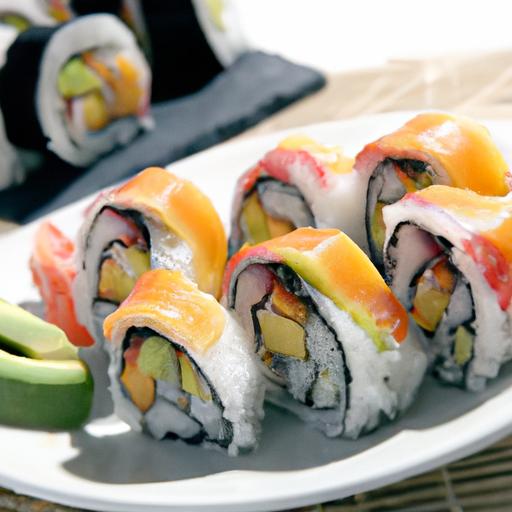


There’s something irresistibly fun about watching colorful plates glide around a sushi train, each one a small, artful creation just waiting to be enjoyed. But what if you could bring that captivating experience right into your own home? “Roll Your Own: Creative Sushi Train Ideas to Try at Home” invites you to explore the joyful blend of culinary creativity and interactive dining that sushi trains inspire. Whether you’re a seasoned sushi lover or a curious kitchen adventurer, this article will guide you through inventive ways to craft your own rotating feast, turning a simple meal into a playful, flavorful journey.Get ready to roll up your sleeves and discover sushi beyond the usual roll.
Roll Your Own: Creative Sushi Train Ideas to Try at Home unlocks the joy and artistry behind crafting personalized sushi rolls that delight both the eye and palate. Inspired by the lively sushi trains of Japan, bringing this interactive dining experience home transforms ordinary nights into vibrant culinary explorations. Whether you’re a sushi novice or a seasoned roll-maker, mastering the essential ingredients and innovative filling combinations is key to elevating your homemade sushi train to a stylish, flavorful affair.
Prep and Cook Time
- Preparation: 30 minutes
- Rolling and assembly: 20 minutes
- Total time: 50 minutes
Yield
Serves 4-6 people generously (approximately 24 sushi pieces)
Difficulty Level
Medium - requires some preparation but approachable with practice and patience.
Ingredients
- 2 cups sushi rice, rinsed untill water runs clear
- 2 1/2 cups water (for cooking rice)
- 1/3 cup rice vinegar
- 3 tablespoons sugar
- 1 teaspoon salt
- 10 sheets nori (seaweed)
- 200g fresh sashimi-grade salmon, thinly sliced
- 150g cooked and peeled shrimp
- 1 avocado, sliced thinly
- 1 cucumber, julienned
- 1 carrot, grated
- 100g cream cheese, soft
- 2 tablespoons tobiko (flying fish roe)
- 2 spring onions, sliced thinly
- Wasabi, pickled ginger, and soy sauce (for serving)
- Sushi rolling mats (bamboo mats)
Instructions
- Prepare the sushi rice: Combine rinsed sushi rice and water in a rice cooker or pot; cook according to manufacturer instructions. Once cooked, transfer the rice to a large wooden or plastic bowl.
- Season the rice: In a small saucepan, heat rice vinegar, sugar, and salt just until dissolved. Pour evenly over the cooked rice and gently fold with a wooden spatula to coat without mashing the grains. Allow rice to cool to room temperature.
- Prepare fillings: Slice salmon,shrimp,avocado,cucumber,carrot,and cream cheese into thin,manageable strips. Keep ingredients refrigerated until ready to assemble.
- Set up your sushi train station: Arrange all fillings in small bowls or on platters, set soy sauce, wasabi, and pickled ginger nearby, and lay out your bamboo mats and nori sheets.
- Roll the sushi: Place a sheet of nori shiny side down on a bamboo mat. Wet your fingers and spread a thin,even layer of sushi rice over the nori,leaving a 1-inch border on the far edge. Arrange desired fillings in a line 1 inch from the near edge.
- Roll tightly: Using the mat, lift the near edge and begin to roll firmly but gently, sealing the border with a little water. Press rolls firmly along the mat for even shape.
- Slice and serve: Using a sharp, wet knife, slice each roll into 6 pieces. Wipe blade between cuts for clean edges.
- Enjoy with dips and drinks: Serve with soy sauce,wasabi,and pickled ginger. Complement your sushi train with customary sake, light Japanese beer, or refreshing green tea.
Tips for Success
- rice Prep: Always rinse your sushi rice thoroughly to remove excess starch.Let it cool naturally without refrigeration to maintain texture.
- Ingredient Quality: Use the freshest, sashimi-grade fish for the best flavor and safety.
- Rolling Technique: Don’t overload fillings; less is more to ensure tight, manageable rolls.
- Substitutions: Swap salmon for smoked salmon or cooked crab for an choice protein.
- Make Ahead: Prepare and season the rice earlier in the day; keep it covered with a damp cloth to prevent drying out.
Serving Suggestions
Present your sushi pieces gracefully on a sleek wooden or ceramic platter, garnished with tobiko sprinkled atop and delicate slivers of spring onion. Pair with small dipping bowls of soy sauce mixed with a hint of wasabi for extra punch. Add thin wedges of lemon or lime for freshness, and serve alongside light, crisp beverages like chilled sake or sparkling water with a twist of cucumber.

| nutrient | Per Serving (4 pieces) |
|---|---|
| Calories | 220 kcal |
| protein | 12 g |
| Carbohydrates | 30 g |
| Fat | 5 g |
For further inspiration on Asian cuisine and presentations, explore our Japanese Dining at Home guide. To deepen your sushi knowledge, visit Japan Guide’s extensive sushi history and varieties.
Q&A
Q&A: Roll Your Own – Creative sushi Train Ideas to Try at Home
Q1: What exactly is a sushi train, and how can I recreate one at home?
A: A sushi train is a fun, interactive dining experience where small plates of sushi are served on a rotating conveyor belt, allowing diners to pick their favorites as they pass by. At home, you can replicate this by setting up a circular or oval track using a lazy Susan, turntable, or even a DIY conveyor belt crafted from household items.Place your sushi plates or platters on it and spin away for a playful and engaging meal!
Q2: What are some creative sushi train themes or styles I can try?
A: The possibilities are endless! consider themes like ”Seasonal Harvest,” featuring vegetables and herbs from your garden; “Global Fusion,” where you mix traditional sushi with flavors from other cuisines like mexican or Mediterranean; or “Vegan Voyage” packed with plant-based sushi rolls and sides. You can also design sushi trains inspired by colors, textures, or even sushi-shaped desserts for a sweet twist.Q3: How can I make sushi rolls that stand out visually on my sushi train?
A: Presentation is key! Experiment with vibrant ingredients such as rainbow-colored vegetables,edible flowers,and contrasting sauces drizzled artistically.Try rolling sushi with unique wrappers like soy paper or thinly sliced cucumber instead of nori. Using molds for perfectly shaped nigiri or temaki cones adds visual delight as well.
Q4: What are some easy-to-prepare sushi fillings suitable for home cooks?
A: Start simple with classic fillings like cucumber, avocado, and smoked salmon, then branch out to include cooked shrimp tempura, cream cheese with crab sticks, or even grilled veggies. For adventurous palates, try fillings like mango, spicy tuna, or teriyaki chicken. The key is balancing textures and flavors – crunchy, creamy, spicy, and fresh.
Q5: Can I incorporate DIY stations into my sushi train experience?
A: Absolutely! Set up a “Roll Your Own” station alongside your sushi train plates where guests can customize their rolls using various fillings,sauces,and toppings.This adds a creative,hands-on element and encourages experimentation. Provide sushi mats, chopsticks, and easy instructions to keep the process fun and accessible.
Q6: What are some tips for keeping sushi fresh and safe during a sushi train meal?
A: Serve your sushi promptly and keep raw fish chilled until just before serving. Use small plates to encourage finishing the portions quickly, and rotate new plates regularly. For longer meals, incorporate cooked or vegetable-based sushi items that are less sensitive to temperature. Always prioritize food safety without compromising the fun.
Q7: How can I elevate my homemade sushi train with complementary sides and drinks?
A: Balance your sushi spread with sides like edamame, miso soup, pickled ginger, and seaweed salad. Drinks that pair well include green tea, sake, or light Japanese beers. For a creative touch, craft signature cocktails inspired by your sushi train theme, using ingredients such as yuzu, matcha, or plum wine.
Q8: Is this experience beginner-pleasant or suited for more experienced sushi makers?
A: the sushi train concept is wonderfully adaptable! beginners can rely on pre-made sushi or simple rolls, while more experienced cooks might craft elaborate nigiri or sashimi platters. The communal aspect encourages sharing skills and ideas, making it a rewarding culinary adventure for all levels.
By bringing this fun, customizable dining style into your home, you’re inviting more then just sushi-it’s an experience that sparks creativity, conversation, and memorable moments.Ready to spin your sushi story? Roll on!
the Way forward
Whether you’re rolling solo or gathering friends for a hands-on feast, creating your own sushi train at home transforms dining into a delightful, interactive experience.With endless combinations to explore, your homemade sushi journey becomes a canvas for creativity, flavor, and fun. So gather your ingredients, set your plates in motion, and let your imagination slide smoothly across the track-because the best sushi train is the one you build yourself.