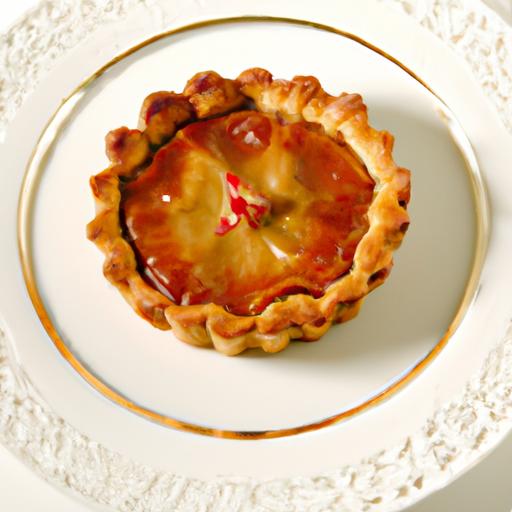

In the realm of pastry,few creations embody both finesse and flavor quite like pâte sucrée. This delicate sweet tart dough, with its tender crumb and subtle buttery richness, serves as the foundation for countless timeless desserts.Yet beneath its seemingly simple exterior lies a world of technique, precision, and artistry. “Pâte Sucrée Unveiled: The Art of Sweet Tart Dough Making” invites you to explore the secrets behind this classic French dough-demystifying its ingredients, mastering its methods, and appreciating the craftsmanship that turns humble components into a perfect, golden canvas for sweetness. Whether you are a passionate home baker or a curious culinary enthusiast, join us as we delve into the subtle science and graceful tradition that make pâte sucrée a staple of patisserie excellence.
Pâte sucrée is the cornerstone of manny exquisite French pastries, known for its delicate balance of crispness and tender crumb.this sweet tart dough embodies culinary artistry where technique meets ingredient harmony, enabling home bakers and professionals alike to craft flawless tart shells that serve as the perfect stage for luscious fillings. Originating from classic French patisserie traditions, mastering pâte sucrée unlocks endless creative possibilities-from rustic fruit tarts to refined chocolate ganache creations.
Prep and Cook Time
- Readiness: 20 minutes
- Chilling: 1 hour
- Baking: 15-20 minutes (blind baking)
- Total: approximately 1 hour 40 minutes
Yield
Enough dough for one 9-inch tart shell
Difficulty Level
Medium – Ideal for bakers comfortable with dough handling and chilling techniques
Ingredients
- 1 1/4 cups (160g) all-purpose flour, sifted
- 1/2 cup (65g) powdered sugar, finely sifted
- 1/4 teaspoon fine sea salt
- 1/2 cup (115g) unsalted butter, chilled and diced into cubes
- 1 large egg yolk
- 2 tablespoons cold whole milk or cream
- 1 teaspoon pure vanilla extract (optional for flavor depth)
Instructions
- Combine dry ingredients. In a large bowl, whisk together the all-purpose flour, powdered sugar, and salt until evenly distributed.
- Cut in the butter. Using a pastry blender or your fingertips, incorporate the chilled butter cubes into the dry mix until the texture resembles coarse crumbs with pea-sized pieces. Be careful to avoid warming the dough.
- Mix wet ingredients. Whisk together the egg yolk,cold milk or cream,and vanilla extract in a small bowl.
- Combine wet and dry. Drizzle the wet ingredients over the flour mixture and gently fold with a spatula until just combined. The dough should come together without overmixing-overworking activates gluten and toughens the crust.
- Form the dough. Lightly knead the dough on a lightly floured surface just until smooth, then flatten into a disk. Wrap tightly in plastic wrap and chill in the refrigerator for at least 1 hour to relax gluten and firm the butter.
- Roll out the dough. On a lightly floured surface, roll the chilled dough to a 1/8-inch thickness, ensuring an even circle slightly larger than your tart pan.
- Fit the dough into the pan. Gently transfer the dough into a 9-inch tart pan with a removable bottom, pressing into edges without stretching.Trim excess dough, then dock the base with a fork to prevent bubbling during baking.
- Blind bake the shell. Line the dough with parchment paper and fill with pie weights or dried beans. Bake in a preheated 350°F (175°C) oven for 15 minutes. Remove weights and parchment; bake 5-7 minutes longer until the crust’s edges turn golden.
- Cool and prepare for filling. Let the shell cool wholly before adding your desired filling to maintain crispness.
Tips for Success
- Keep everything cold. Cold butter and liquids ensure a tender, flaky dough with those prized pea-sized butter pockets that create crisp layers.
- Use powdered sugar. Unlike granulated sugar, it dissolves smoothly, producing a more tender crumb with subtle sweetness and no grittiness.
- Avoid overkneading. Overmixing develops gluten, making the crust tough. Once dough forms, minimal handling is key.
- Chill the dough thoroughly. This step is crucial for firmness that prevents shrinkage during baking and helps achieve a clean, elegant tart edge.
- Customize flavor. add finely grated citrus zest (lemon or orange) to impart freshness, or substitute part of the vanilla with almond extract for a nutty aroma.
- Troubleshooting shrinkage. if the dough shrinks during blind baking, try pricking more holes with a fork to allow steam to escape and ensure it’s well chilled before baking.
- Make ahead. Dough freezes well wrapped tightly in plastic wrap for up to 1 month. Thaw overnight in the fridge before rolling out.
Serving Suggestions
This pâte sucrée shell is a blank canvas perfect for an array of desserts. Fill with:
- Classic vanilla pastry cream topped with fresh berries and a light dusting of powdered sugar
- Silky chocolate ganache with toasted nuts or sea salt flakes for contrast
- Lemon curd crowned with whipped cream and candied citrus slices
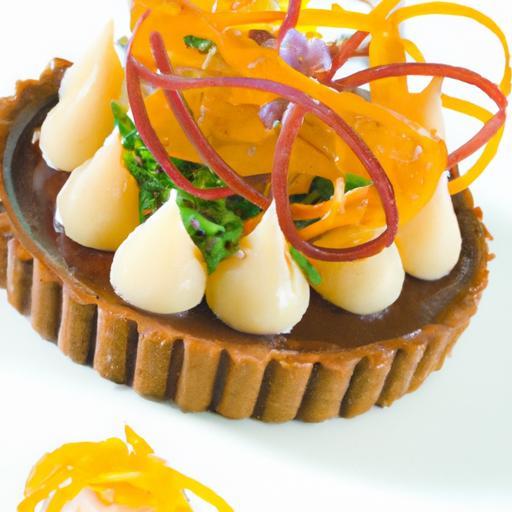
- Seasonal fruit compote finished with a sprinkle of toasted coconut or edible flowers
For presentation, glaze glazed fruit tarts with warmed apricot jam for shine, or lightly dust powdered sugar just before serving for elegance.

| Nutrient | per Serving (approx.) |
|---|---|
| Calories | 180 kcal |
| Protein | 2 g |
| Carbohydrates | 18 g |
| Fat | 11 g |
For a deeper dive into complementary tart fillings, explore our Classic French Pastry Fillings post. To understand the science behind butter’s role in pastry flakiness, visit the Serious Eats’ detailed guide.
Q&A
Q&A: Pâte Sucrée Unveiled – The Art of Sweet Tart Dough Making
Q1: What exactly is pâte sucrée?
A: Pâte sucrée, often called sweet tart dough, is a French pastry foundation known for its delicate, crumbly texture and subtly sweet flavor. It’s a classic dough used as the base for various tarts and pies, providing a tender contrast to rich fillings.
Q2: How does pâte sucrée differ from other tart doughs like pâte brisée or pâte sablée?
A: While pâte brisée is a savory, flaky dough with minimal sugar, pâte sucrée incorporates a noticeable amount of sugar, resulting in a sweeter, more cookie-like crust. Pâte sablée, on the other hand, is crumbly and sandy-“sablée” means sandy-but is often more fragile.Pâte sucrée strikes a balance with a firm yet tender bite.
Q3: What are the key ingredients in pâte sucrée?
A: The basic components include flour, butter, sugar, and egg yolks. The butter lends richness, sugar adds sweetness and tenderness, and egg yolks bind the dough while enhancing its color and flavor. Some recipes may add a pinch of salt or vanilla for depth.Q4: Why are egg yolks used instead of whole eggs in pâte sucrée?
A: Egg yolks contribute fat and emulsifiers, resulting in a richer, more tender crust. Using only yolks avoids adding too much moisture or protein that whole eggs bring, wich woudl make the dough tougher.Q5: What is the best method for mixing pâte sucrée?
A: Gentle handling is key. Typically, the cold butter is cut into the flour and sugar until the mixture resembles coarse crumbs. Then, egg yolks and sometimes a splash of cold water are added to bring the dough together. Overworking can develop gluten, making the crust tough.
Q6: Is chilling the dough necesary?
A: Absolutely. Chilling firms the butter, allowing easier rolling and helping maintain the dough’s structure during baking. It also allows the gluten to relax,preventing shrinkage and ensuring a tender crust.
Q7: Can pâte sucrée be blind baked? If so, how?
A: Yes, blind baking is common, especially for wet fillings. The dough is rolled out, fitted into the tart pan, then lined with parchment or foil and filled with pie weights or dried beans. It’s baked partially to set the crust before adding the filling and finishing baking.
Q8: How can I prevent the edges of my pâte sucrée tart from burning?
A: You can shield the edges with strips of aluminum foil or a tart crust shield during baking. This protects thinner parts from browning too quickly while the rest of the crust cooks through evenly.
Q9: What fillings pair best with pâte sucrée?
A: Its sweet,buttery base makes it ideal for fruit tarts-think fresh berries,lemon curd,or apple-and also creamy custards,chocolate ganache,or nut-based fillings. The dough’s subtle sweetness complements rather than overpowers the flavors.
Q10: any creative twists to elevate pâte sucrée?
A: For an aromatic boost, you can fold finely grated citrus zest, ground nuts, or spices like cinnamon into the dough. Experimenting with brown butter instead of plain butter adds a toasty depth. Additionally, dusting finished tarts with powdered sugar or glazing the crust can add a beautiful finish.
Mastering pâte sucrée is like unlocking a portal to French pastry artistry-once you understand the delicate balance of ingredients and technique, countless sweet creations await your oven.
To Conclude
As we close the chapter on the delicate craft of pâte sucrée, it becomes clear that this sweet tart dough is more than just a foundation-it’s an invitation to creativity and precision in equal measure. Whether you are a seasoned baker or an eager novice, understanding the nuances of pâte sucrée unlocks the door to tarts that are as visually stunning as they are delectably crisp. The art of sweet tart dough making lies not only in mastering technique but also in embracing patience and care, transforming simple ingredients into a canvas for culinary expression. So the next time you reach for that rolling pin, remember that beneath the buttery, tender crust lies a world of sweet possibilities waiting to be unveiled.