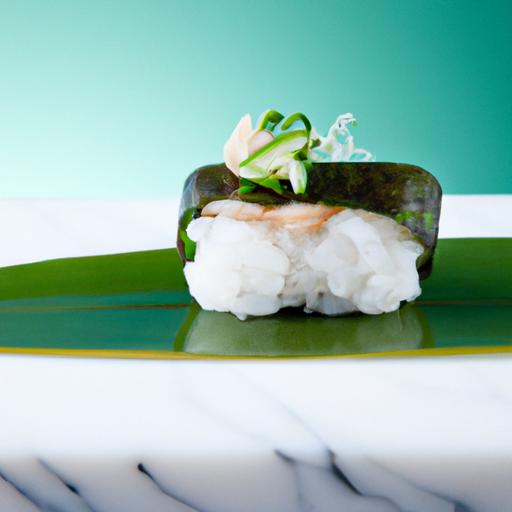

In the intricate world of sushi, where every ingredient plays a vital role in harmony and balance, the shiso leaf emerges as a quiet yet captivating star. Frequently enough overlooked beside the more familiar elements like tuna or avocado,shiso brings a subtle twist of flavor and a burst of freshness that elevates each bite. With its delicate aroma and unique taste-part mint, part basil, with a hint of citrus-this humble leaf adds an unexpected dimension to sushi, bridging tradition and innovation in one graceful flourish. Exploring the role of shiso leaf in sushi reveals not only its culinary charm but also the cultural richness embedded in this beloved Japanese cuisine.
Shiso leaf in sushi offers an extraordinary twist of fresh,vibrant aroma that elevates every bite. This uniquely flavoured herb, ofen described as a harmonious blend of mint, basil, and anise, enriches sushi with subtle complexity that balances the oceanic notes of fresh fish. Having discovered shiso during my culinary travels in Japan, I was instantly captivated by how this unassuming leaf transformed traditional sushi experiences into something unexpectedly refreshing and aromatic. Its role in sushi transcends mere garnish-shiso leaf brings a nuanced depth that bridges freshness and herbal vibrancy,making it indispensable for both classic and innovative rolls.
Prep and cook Time
- Readiness: 15 minutes
- Cook Time: 10 minutes (optional for certain sushi types)
- Total Time: 25 minutes
Yield
Serves 4 sushi rolls (approximately 16 pieces)
difficulty Level
Medium (requires sushi rice preparation and knife skills)
Ingredients
- 2 cups sushi rice, rinsed and cooked
- 2 ½ tbsp rice vinegar
- 1 tbsp sugar
- ½ tsp salt
- 8 fresh shiso leaves, washed and patted dry
- 200g fresh sushi-grade sashimi fish (tuna, salmon, or yellowtail), thinly sliced
- 1 cucumber, julienned
- 2 sheets nori (seaweed)
- Wasabi and pickled ginger, for serving
- Soy sauce, for dipping
- optional: thinly sliced avocado or julienned carrots
Instructions
- Prepare the sushi rice: In a small bowl, mix rice vinegar, sugar, and salt until dissolved. Gently fold this seasoning into the cooked sushi rice while it’s still warm. Allow the rice to cool to room temperature, covering it with a damp towel to retain moisture.
- Prep your ingredients: Wash and dry the shiso leaves carefully to preserve their delicate flavor and texture.Julienne cucumber and optional vegetables, then slice the sashimi-grade fish thinly against the grain for tenderness.
- Assemble the sushi roll: Place a bamboo rolling mat on a clean surface. Lay one sheet of nori shiny-side down. With wet fingers,evenly spread a thin layer of sushi rice over the nori,leaving a 1-inch margin at the top edge.
- add shiso leaves and fillings: Lay 2 shiso leaves lengthwise along the rice’s center. Layer cucumber julienne, sashimi slices, and optional vegetables atop the shiso.The shiso leaf acts as a fragrant bed, infusing each bite with herbal freshness.
- Roll tightly: Lift the edge of the bamboo mat closest to you and roll it firmly over the fillings, pressing evenly to form a compact cylinder. Moisten the top margin with water to seal the roll.
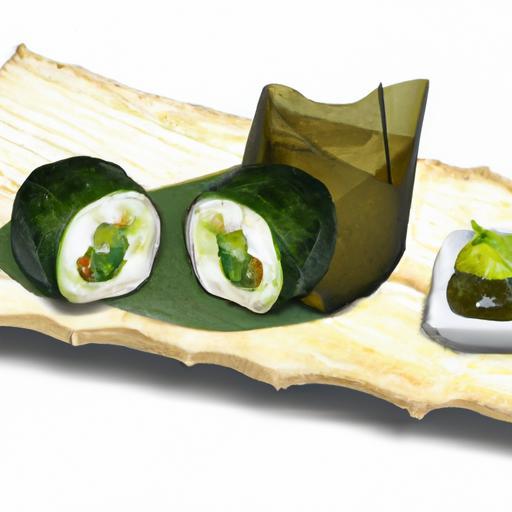
- Slice and serve: Using a sharp,dampened knife,slice the roll into 8 equal pieces to avoid sticking. Clean the knife between cuts for perfect slices. Arrange on a platter with wasabi, pickled ginger, and soy sauce on the side.
Chef’s Notes & Tips for Success
- Selecting shiso leaf: Opt for fresh, vibrant green leaves with no signs of wilting or discoloration. The flavor diminishes if the leaf is old or dry.
- Storage: Wrap leaves gently in damp paper towels, place in a sealed container, and refrigerate to extend freshness up to 3 days.
- Variations: Try red shiso for a slightly different, earthier flavor and a beautiful color contrast.
- Using shiso in othre sushi styles: Insert whole leaves between nigiri fish and rice or finely chiffonade the leaves to mix into spicy mayo or ponzu sauces for a fragrant twist.
- Make-ahead: You can prepare sushi rice and fillings ahead, but assemble sushi rolls just before serving for optimal texture and flavor.
- Pairing tip: Complement the herbal freshness of shiso with subtle citrus notes like yuzu or a mild wasabi kick rather than overpowering spicy sauces.
Serving Suggestions
Present your sushi rolls elegantly on a long rectangular platter. Garnish with thin strips of shiso leaf and edible flowers for a refined visual contrast. Serve alongside small dishes of soy sauce, wasabi, and pickled ginger for that classic tang and heat. For an elevated experience, a splash of yuzu juice or a sprinkle of toasted sesame seeds on top enhances both aroma and texture. Lightly draping a shiso leaf atop each nigiri or sashimi slice adds elegance and an inviting scent that prepares the palate.

| Nutrient | Per Serving (4 pieces) |
|---|---|
| Calories | 190 |
| Protein | 14g |
| carbohydrates | 28g |
| Fat | 3g |
Discover more about balancing fresh herbs in Japanese cuisine in our Fresh Herbs in Japanese Cooking guide, or learn about sushi knife techniques with this informative Japan-Guide sushi resource.
Q&A
Q&A: Shiso Leaf in Sushi – A Subtle Twist of Flavor and Freshness
Q1: What is shiso leaf, and where does it come from?
A1: Shiso leaf, also known as perilla, is a fragrant herb native to East Asia. often found in Japanese cuisine, it belongs to the mint family and carries a unique aroma that’s part minty, part citrusy, with a hint of basil and anise.
Q2: How is shiso leaf used in sushi?
A2: In sushi, shiso leaf serves as more than just a garnish. It is commonly wrapped around fish or tucked inside rolls, adding a delicate layer of herbal freshness that complements the richness of the seafood. Sometimes it’s finely shredded and sprinkled atop nigiri or sashimi for an aromatic kick.
Q3: What flavor does shiso leaf add to sushi?
A3: Shiso brings a bright,refreshing flavor that subtly cuts through the fatty textures of fish like tuna or salmon. Its complex notes-lightly peppery with citrus undertones-enhance the taste without overpowering the other ingredients, making every bite feel vibrant and balanced.
Q4: Are there different varieties of shiso used in sushi?
A4: Yes. The most common variety in sushi is green shiso, prized for its bright, fresh flavor. There’s also red or purple shiso, which is more pungent and frequently enough used in pickling or as a natural coloring agent, but less frequently in sushi itself.
Q5: Does shiso leaf have any health benefits?
A5: Beyond its culinary appeal, shiso is known for its antioxidant properties and is rich in vitamins A and C. It’s also traditionally believed to aid digestion and add a refreshing quality to meals, making it a wholesome addition to sushi.
Q6: Can shiso be substituted in sushi if unavailable?
A6: While shiso’s distinctive flavor is hard to replicate exactly, some chefs substitute it with fresh mint or basil in a pinch. However, the subtle combination of citrus, mint, and spice in shiso is uniquely Japanese, so true aficionados prefer it to maintain authenticity.
Q7: How does shiso leaf influence the overall sushi experience?
A7: Shiso leaf elevates sushi by introducing an herbal brightness that cleanses the palate. It provides a fragrant contrast to the savory and umami elements, making the dining experience more layered and refreshing-a subtle twist that awakens the senses.
wrapping Up
Whether nestled quietly beneath a delicate slice of sashimi or finely shredded to crown a vibrant roll, the shiso leaf brings a unique whisper of flavor and a burst of freshness to sushi that is both subtle and unforgettable. Its aromatic complexity gently elevates each bite, inviting sushi lovers to experience a nuanced twist that honors tradition while adding a refreshing dimension. In the world of sushi, the humble shiso leaf is proof that sometimes, the smallest ingredients hold the most remarkable stories-and flavors.