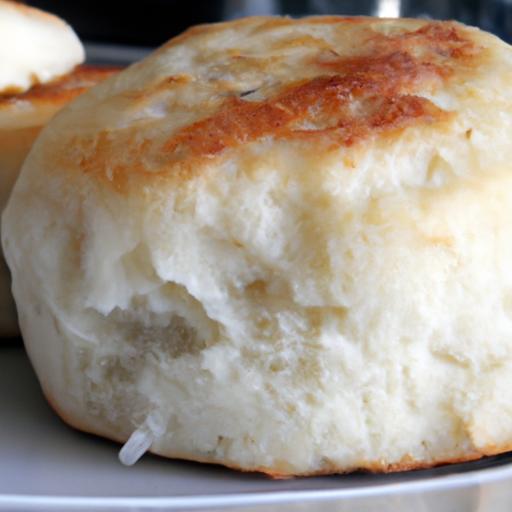

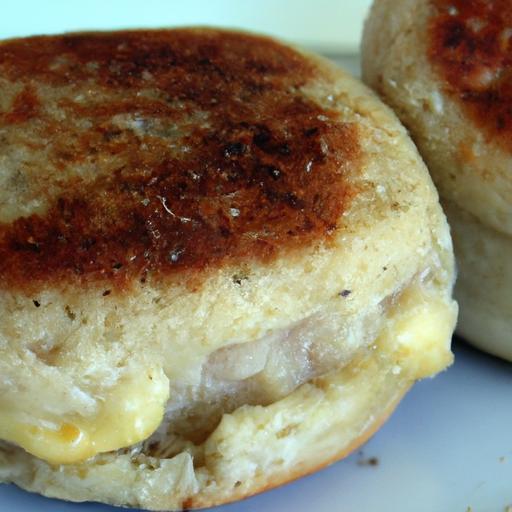
There’s something wonderfully satisfying about giving new life to ingredients that might otherwise go to waste. Among the many kitchen experiments that embrace sustainability and creativity, turning sourdough discard into fluffy English muffins stands out as a delicious way to reduce waste while indulging in a beloved breakfast treat.This change not only highlights the versatility of sourdough discard but also offers a fresh twist on the classic muffin, delivering light, airy layers with that signature nooks-and-crannies texture. Whether you’re a seasoned sourdough baker or simply curious about making the most of your pantry staples,this approach invites you to explore a simple,rewarding recipe that marries tradition with resourcefulness.
Turning sourdough discard into fluffy English muffins offers a delightful way to reduce waste while crafting a uniquely tender crumb that’s both chewy and airy. This customary breakfast favorite owes its signature texture to a careful balance of fermentation and technique, and by incorporating sourdough discard, you enrich the flavor complexity while preserving that iconic nooks-and-crannies interior.
Prep and Cook Time
- Planning: 20 minutes (plus 2 hours for dough fermentation and resting)
- Cooking: 15 minutes
- Total time: Approximately 2 hours 35 minutes
Yield
- Makes 8 classic English muffins
Difficulty Level
- Intermediate – suited for bakers familiar with yeast or sourdough dough handling
Ingredients
- 1 cup sourdough discard (100% hydration, room temperature)
- 1 cup warm milk (110°F/43°C)
- 2 ½ cups all-purpose flour, sifted
- 1 tablespoon sugar
- 1 teaspoon salt
- 1 teaspoon baking soda
- 2 teaspoons active dry yeast
- 2 tablespoons unsalted butter, melted
- Semolina or cornmeal for dusting
Instructions
- Activate the yeast: In a small bowl, stir together warm milk, sugar, and active dry yeast.Let it sit for 5-7 minutes until frothy, signaling the yeast is alive and well.
- Combine sourdough discard and flour: In a large mixing bowl, whisk sourdough discard with sifted flour until evenly blended. This builds your dough’s foundational elasticity and subtle tang.
- Integrate wet ingredients: Pour in the activated yeast mixture and melted butter. Gently mix using a wooden spoon or dough hook until a shaggy dough comes together.
- Knead for structure: Turn the dough onto a lightly floured surface and knead for 8-10 minutes until smooth and elastic. This develops gluten, ensuring an airy crumb.
- first rise: Place dough in a greased bowl, cover with cling film or a damp towel, and let rise in a warm spot for 1 to 1½ hours, or until doubled in size.
- Add salt and baking soda: Punch down the dough gently, sprinkle salt and baking soda evenly over the surface, then fold them in thoroughly. This step boosts rise and enhances crust texture.
- Shape muffins: Pat the dough into a 1-inch thick rectangle on a semolina-dusted surface. Using a 3-inch round cutter,cut out individual muffins. Reroll scraps gently to form more muffins.
- Second rise and proof: Place muffins on a parchment-lined baking sheet dusted with semolina or cornmeal. Cover and let proof for 30 minutes, allowing a gentle puff before cooking.
- Cook on griddle or skillet: Preheat a heavy skillet or griddle over medium-low heat. cook muffins for about 7 minutes per side with the lid on, until golden brown and cooked through. This method promotes their signature nooks and crannies.
- Cool and split: Transfer muffins to a wire rack and cool completely. For authentic pockets, use a fork or special muffin splitter to gently separate the halves without crushing the crumb.
Tips for Success: Perfecting Fluffy Muffins with Sourdough Discard
- Maintain consistent hydration: sourdough discard varies in moisture; adjust flour slightly if dough feels sticky or too stiff.
- Don’t rush fermentation: The discard imparts flavor and light acidity but requires proper rising time to develop the crumb fully.
- Use semolina or cornmeal dusting liberally: This prevents sticking and adds subtle texture to the crust.
- Cook slowly on low heat: High heat risks burning the exterior before the interior sets, diminishing the fluffy texture you crave.
- Split muffins cold: Warm muffins may crumble, so wait until fully cooled for best pocket formation.
- Freeze extras: store baked muffins in airtight bags and toast straight from frozen for fresh-like results.
Serving Suggestions
Enjoy these lovingly crafted English muffins with a pat of creamy butter and a drizzle of golden honey or your favorite jam. For a heartier option, layer with smoked salmon, cream cheese, and fresh dill or serve topped with a poached egg and avocado slices for a nourishing brunch. their delicate pockets also make them superb for breakfast sandwiches filled with crispy bacon, melted cheddar, and a fried egg.

| Nutrient | Per muffin |
|---|---|
| Calories | 150 kcal |
| protein | 5g |
| Carbohydrates | 28g |
| fat | 3g |
For more tips on sourdough baking techniques, check out our Complete Guide to Sourdough Starter Care.To dive deeper into yeast science,explore the insightful resource at King Arthur baking’s Sourdough Guide.
Q&A
Q&A: Turning Sourdough Discard into Fluffy English Muffins
Q: What exactly is sourdough discard?
A: Sourdough discard is the portion of sourdough starter that you remove during the regular feeding process to keep the starter manageable. It’s a tangy, bubbly mix of flour and water with wild yeast and bacteria-often considered waste, but packed with potential for delicious baked goods.
Q: Why use sourdough discard for English muffins?
A: Instead of tossing sourdough discard, you can transform it into a flavorful dough that yields fluffy, lightly tangy English muffins. The discard adds complexity to the muffins’ taste and a tender crumb, making good use of what you might or else throw away.
Q: Will the English muffins be sour or heavy because of the discard?
A: not at all! While the discard carries some tang, the sweetness and richness of the muffin dough balance it out. The muffins come out soft, airy, and subtly tangy without the heaviness that can occur with overly fermented bread.Q: How do you adapt a traditional English muffin recipe to include sourdough discard?
A: Typically, you replace part or all of the liquid and starter called for in the recipe with sourdough discard.You might need to adjust flour quantities slightly to achieve a soft dough. The discard also contributes natural leavening, reducing or eliminating the need for commercial yeast.
Q: What’s the texture and flavor difference between sourdough discard English muffins and store-bought ones?
A: Sourdough discard English muffins tend to have a more complex flavor-slightly tangy and nutty-compared to the neutral sweetness of commercial muffins. Texturally, they’re fluffy with a chewy crumb and develop the signature nooks and crannies perfect for trapping butter and jam.
Q: Are there any special techniques to get those signature nooks and crannies?
A: Yes! After shaping,the dough is cooked gently on a griddle or skillet,not baked right away. This slow cooking promotes steam and gentle rising, creating the characteristic pockets. Flipping carefully and cooking at medium-low heat ensures an even golden crust without burning.
Q: Can I freeze sourdough discard English muffins?
A: Absolutely. these muffins freeze well-simply cool completely, slice if desired, then store in an airtight bag. To enjoy,thaw at room temperature or toast directly from frozen for that fresh,warm bite.Q: Any creative variations to try with this recipe?
A: Certainly! You can add herbs, cheese, or spices to the dough for savory twists, or mix in cinnamon and dried fruit for a sweet version. Experimenting with different flours can also tweak flavor and texture, making your English muffins truly unique.
Q: Is this method environmentally friendly?
A: Definitely. Using sourdough discard reduces food waste by repurposing what would be thrown out. it’s a sustainable baking practice that turns a byproduct into a delicious treat, benefiting both the planet and your palate.
Q: Where can I find a good sourdough discard English muffin recipe to get started?
A: Many baking blogs and cookbooks dedicated to sourdough include recipes for discard muffins. Look for versions that emphasize gentle cooking on the griddle and flexible ingredient substitutions to accommodate your specific discard consistency and taste preferences.
Wrapping Up
Transforming sourdough discard into fluffy English muffins is a delightful way to reduce waste while creating something delicious and comforting. With just a bit of patience and simple ingredients, your discard takes on new life-offering warm, golden nooks perfect for melting butter or jam. Whether you’re a seasoned baker or a curious kitchen explorer,this recipe proves that sustainability and scrumptiousness can go hand in hand. So next time you have sourdough discard lingering in the fridge, remember: a batch of homemade English muffins is just a few steps away, ready to brighten your breakfast table.