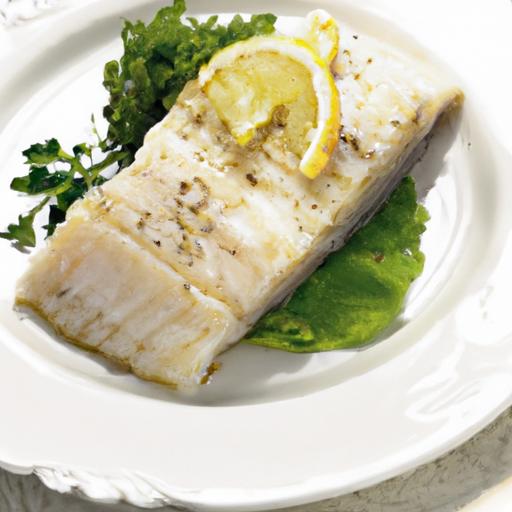

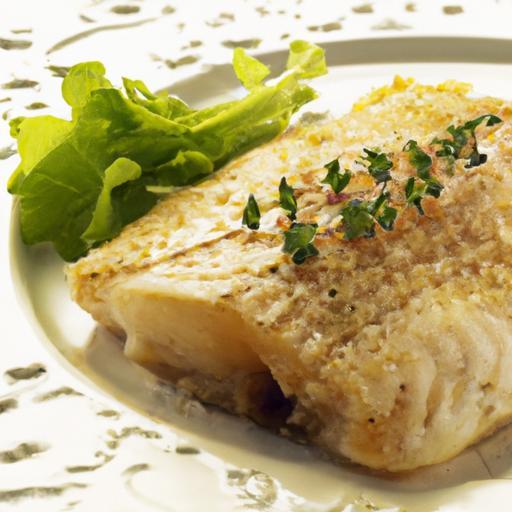
There’s something undeniably satisfying about a perfectly baked piece of cod-flaky, tender, and infused with subtle, delicate flavors. Yet achieving that ideal balance between moistness and doneness can feel like an elusive culinary art, especially when working with a hot 400-degree oven. Timing becomes everything: a minute to long, and the fish dries out; a minute too short, and it remains undercooked. In this article, we explore the essential timing tips that transform your cod from ordinary to effortlessly remarkable, helping you master the nuances of baking at 400 degrees with confidence and precision.
Perfectly baked cod hinges on precision-getting every element just right to deliver a flaky, tender texture that melts in your mouth. This delicate white fish requires balancing thickness, temperature, moisture, and baking time so that each bite offers that coveted succulent finish without any dryness or toughness.Whether you’re craving a fast weeknight dinner or aiming to impress at your next gathering, mastering thes variables will elevate your cod baking to effortless perfection.
Prep and Cook Time
- Planning: 10 minutes
- Cooking: 12-15 minutes
- Total: 22-25 minutes
Yield
- Serves 4
Difficulty Level
- Easy
Ingredients
- 1 ½ lbs fresh cod fillets,skin removed
- 2 tablespoons olive oil
- 1 lemon,thinly sliced
- 2 cloves garlic,minced
- 1 teaspoon smoked paprika
- Salt and freshly ground black pepper,to taste
- Fresh parsley,chopped (for garnish)
- 1 tablespoon unsalted butter,melted (optional for added richness)
Instructions
- Preheat your oven to 400°F (205°C) ensuring it reaches full heat before baking.This high temperature is crucial for sealing in moisture while creating a delicate crust.
- Pat the cod fillets dry using paper towels. Thicker fillets (about 1 inch) help ensure even cooking; thinner pieces risk drying out quickly. If your fillets are uneven, gently press with your hand to uniform thickness or slice thicker parts to balance.
- Brush both sides of the cod with olive oil, then season generously with salt, pepper, and smoked paprika.The paprika adds a subtle smoky warmth complementing the cod’s natural sweetness.
- Arrange the lemon slices in an even layer on the bottom of your baking dish or tray, creating a flavorful, aromatic bed for the fish.
- Place the cod fillets on top of the lemon slices. Sprinkle minced garlic evenly over the fillets and drizzle melted butter if using, to encourage a buttery glaze.
- Bake uncovered in the center rack for 12 to 15 minutes depending on thickness.Avoid opening the oven door often; this helps maintain steady heat for even cooking.
- Check doneness: The fish should turn opaque and flake easily when gently pressed with a fork. To test without overcooking, insert a thin knife into the thickest part-the flesh should feel firm yet tender, not mushy or overly dry.
- Remove from oven and let rest for a couple of minutes. This allows juices to redistribute, enhancing moistness and flavor before serving.
Tips for Success: Balancing Temperature and Moisture for Perfect texture
Using a 400-degree oven provides an ideal balance between quick cooking and preservation of moisture. The heat is intense enough to create a slight crust on the exterior while the inner layers remain soft and flaky.Avoid wrapping the fish in foil during baking; although it traps moisture, it can make the texture soggy rather than delightfully tender. Rather, a light drizzle of olive oil or butter ensures the fish retains natural juices without steaming.
Choosing the Right thickness for Even Cooking
More than anything, thickness dictates baking time. Cod cut roughly 1 inch thick averages perfectly balanced cooking-thinner fillets risk drying out, thicker ones may need extra minutes. For slabs thicker than 1.5 inches, reduce the temperature slightly to 375°F and increase cooking time by a few minutes to cook through gently without burning.
Mastering the Ideal baking time for Flakey Cod
Watch the clock closely-overbaking cod quickly turns it rubbery and dry. Keep an eye on the fish starting around 10 minutes, especially in high-temperature ovens. A perfectly baked piece flakes delicately when nudged but still retains moisture and a slight gloss on the surface. If needed,use an instant-read thermometer aiming for a fish internal temperature of 130-135°F (54-57°C) for optimal doneness.
Tips for Checking Doneness Without Overcooking
- Visual cues: Translucency fades and flakes become distinct when your fish is nearly done.
- Touch test: Gently press with your finger or fork; it should gently separate but still offer slight resistance.
- Knife test: Insert a thin paring knife at the thickest point; cooked cod’s flesh will be firm and opaque, separating effortlessly into flakes.
- Thermometer use: Aim for 130-135°F when removing from the oven, as residual heat will bring the temperature up slightly during resting.
Chef’s Notes
- Variations: Try swapping smoked paprika for a dash of cayenne or fresh dill for a more herbal note.
- Substitutions: Halibut or haddock can be prepared similarly,though adjust baking time according to thickness.
- Make-ahead tips: Season and marinate your cod for up to 30 minutes before baking to deepen flavor without risking texture loss.
- Common pitfalls: Avoid overcrowding the baking dish; fish cooks best with space to circulate heat evenly.
Serving Suggestions
To complement your perfectly baked cod, plate it atop a bed of herby quinoa or creamy mashed potatoes. A drizzle of fresh lemon juice or a spoonful of tartar sauce adds brightness. Garnish with freshly chopped parsley or microgreens for a vibrant, fresh finish. Crisp steamed asparagus or roasted cherry tomatoes bring color and contrasting textures, making the plate as appetizing as it tastes.

| Nutrient | Per serving |
|---|---|
| Calories | 220 |
| Protein | 35g |
| Carbohydrates | 1g |
| Fat | 7g |
For more insights into perfect baking techniques, check out our guide to baking fish perfectly. To understand more about fish safety and temperatures, visit the FoodSafety.gov recommended cooking temperatures.
Q&A
Q&A: Perfectly Baked Cod – Timing Tips for 400-Degree Oven Cooking
Q: Why choose 400 degrees Fahrenheit for baking cod?
A: Baking cod at 400°F strikes a harmonious balance between achieving a tender,flaky interior and a lightly crisped exterior. This temperature is high enough to cook the fish quickly, locking in moisture, but gentle enough to prevent dryness or toughness.
Q: How long should cod be baked at 400°F?
A: The perfect baking time is generally between 10 to 15 minutes,depending on the thickness of the fillet. A good rule of thumb is about 10 minutes per inch of thickness. Thinner pieces might only need 8-10 minutes, while thicker cuts could take up to 15 minutes.
Q: How can I tell when the cod is done?
A: When perfectly baked, cod flakes easily with a fork and turns opaque white all the way through. The flesh should be moist and tender, not translucent or rubbery. If uncertain, use an instant-read thermometer; the internal temperature should reach 140-145°F.
Q: Should I cover the cod while baking?
A: Generally, baking uncovered at 400°F is ideal to allow the surface to develop a slight golden crust.Though, if you prefer a more steamed, delicate texture, lightly tenting with foil can definitely help retain moisture.
Q: Does the type or cut of cod effect baking time?
A: Yes. thick center-cut fillets take longer to bake than thinner tail-end pieces. Wild-caught cod may also behave slightly differently than farmed due to variation in moisture content and density. Always adjust baking time accordingly.
Q: Any tips to enhance flavor and texture when baking cod?
A: Season simply with salt, pepper, and a drizzle of olive oil or melted butter before baking. Adding fresh herbs like dill or thyme, a squeeze of lemon, or a light breadcrumb topping can elevate the dish without interfering with the baking process.
Q: Can I prepare cod ahead and then bake at 400°F?
A: Pre-marinating or seasoning cod ahead of time is fine, but avoid baking previously frozen cod without properly thawing it first. Baking from frozen requires longer cook times and can affect texture, so it’s best to thaw wholly and pat dry before baking at 400°F.
Q: What common mistakes should I avoid when baking cod at this temperature?
A: Overbaking is the biggest pitfall; it turns cod dry and stringy. Keep a close eye on timing and use a thermometer if possible. Another mistake is crowding the baking dish, which can trap steam and prevent the fillets from crisping slightly.
Q: How does baking cod at 400°F compare to other cooking methods?
A: Baking is a hands-off, forgiving method that preserves the delicate flavor of cod. Compared to pan-searing or grilling, it requires less attention and oil, resulting in a lighter dish. The 400°F temperature ensures a balance of crispness and tenderness that other methods might not consistently deliver.
With these timing tips and insights, baking cod at 400 degrees becomes a foolproof technique to enjoy perfectly flaky, flavorful fish every time.
In Retrospect
Mastering the art of perfectly baked cod at 400 degrees is less about guesswork and more about timing and understanding your fish. With these simple yet effective tips in hand, you can confidently set the oven and let the heat work its magic, revealing flaky, tender cod that’s bursting with flavor. whether you’re a seasoned cook or a kitchen novice, remember that precision in timing transforms a good meal into a memorable one. So next time you preheat your oven to 400 degrees,trust the clock-and enjoy the flavorful results that follow.