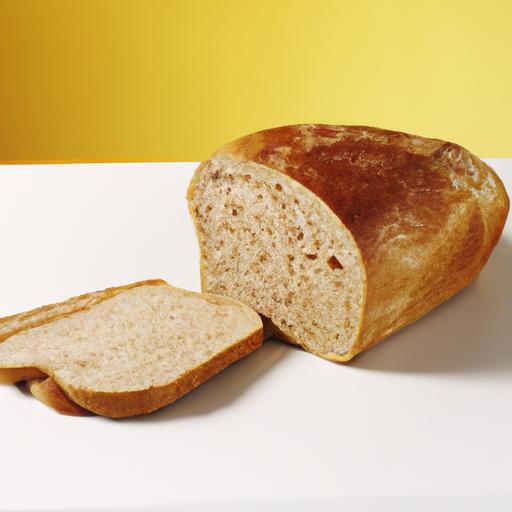

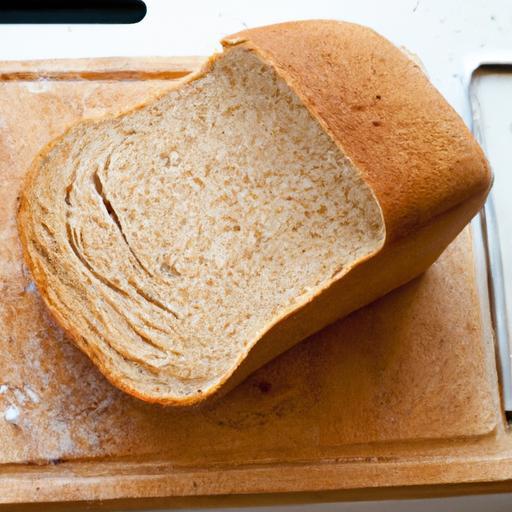
There’s something undeniably satisfying about the aroma of freshly baked bread wafting through your kitchen-especially when it’s whole wheat,wholesome and hearty in every bite. Yet, perfecting whole wheat bread can frequently enough feel like an elusive art, as this nutrient-packed grain demands a delicate balance of technique and timing. Enter the bread machine: a modern marvel that takes the guesswork out of kneading and rising, turning a complex process into an effortless ritual. In this article, we’ll explore how to harness the full potential of your bread machine to create whole wheat loaves that are not only nutritious but irresistibly soft, flavorful, and perfectly baked every time. Whether you’re a seasoned baker or a curious beginner, get ready to transform simple ingredients into a loaf that truly feels like home.
Perfecting Whole Wheat Bread with Your Bread Machine: Choosing the Right Whole Wheat Flour for Optimal Texture
Perfecting whole wheat bread with your bread machine starts the moment you select the flour. Whole wheat flour varies widely in texture and protein content, which means the crumb of your loaf depends heavily on choosing the flour that suits your baking style. Opting for a freshly milled or finely sifted whole wheat flour creates a lighter, softer bread that still boasts the nutty richness we cherish. The flour’s grind size impacts water absorption and dough elasticity-two critical factors for an ideal loaf.
prep and Cook Time
- Planning: 15 minutes
- Machine Kneading & Rising: 2 hours 30 minutes
- Baking: 40-50 minutes
- Total Time: Approximately 3.5 hours
Yield
One 1.5-pound loaf (about 12 slices)
Difficulty Level
Easy to Medium – ideal for bakers with a bread machine but perfect for those ready to refine their technique
Ingredients
- 2 ½ cups whole wheat flour (freshly milled or finely sifted)
- 1 cup warm water (110°F/43°C)
- 2 tbsp honey or maple syrup
- 2 tbsp olive oil or melted butter
- 1 ½ tsp salt
- 2 tsp instant yeast
- 1 tbsp vital wheat gluten (optional, for improved rise and crumb)
- 1 tbsp ground flaxseed or wheat bran (optional, for flavor and texture)
- 1/4 cup warm milk or additional water (for adjusting hydration)
Instructions
- Combine liquids first: Pour warm water, honey, and olive oil into your bread machine pan. The warmth should be around 110°F to gently activate the yeast without killing it.
- Add dry ingredients: Gently spoon in the whole wheat flour, vital wheat gluten, ground flaxseed (if using), and salt, making sure the salt does not directly touch the yeast.
- sprinkle yeast: Add the instant yeast atop the flour, ensuring it stays dry and away from the salt until mixing begins.
- select your bread cycle: Choose the “Whole Wheat” cycle on your bread machine. This cycle balances increased kneading time and longer rise periods to combat the dense bran content of whole wheat flour.
- Monitor hydration and texture: During the initial kneading phase (first 10 minutes), check dough consistency. It should form a soft, slightly tacky ball. Add additional water or flour, one teaspoon at a time, if too dry or sticky.
- Enhance rise and flavor naturally: Halfway through the first rise, consider opening the machine briefly to give the dough a gentle fold with a spatula for improved gluten structure and crumb.
- Master the bake cycle: Your bread machine’s “crust” setting directly affects the color and texture. For a perfect crust, opt for the medium crust setting – it allows caramelization of the bread sugars without drying out the crumb.
- Cool properly: Once complete,remove loaf immediately and cool on a wire rack.this prevents moisture buildup and keeps the crust crisp.
Tips for Success
- Flour choice matters: If your machine struggles with heavy dough, try a blend of 75% whole wheat and 25% bread flour for a lighter crumb.
- Hydration balance: Whole wheat absorbs more water than white flour. Don’t hesitate to adjust liquids slightly for a supple dough.
- Natural enhancers: Vital wheat gluten and flaxseed not only improve structure and rise but add a subtle nuttiness and extra nutrition.
- Mixing time: Don’t rush the kneading phase; whole wheat dough benefits from thorough development.
- Baking cycle nuances: Experiment with crust settings on your machine-medium is frequently enough ideal, but darker crusts develop more flavor complexity.
Serving Suggestions
Freshly sliced and warm whole wheat bread pairs beautifully with creamy nut butters or a drizzle of extra virgin olive oil and sea salt. For breakfast, top slices with mashed avocado, a sprinkle of chili flakes, and a poached egg. For dinner, serve alongside hearty homemade soups or robust cheeses. Garnish the loaf with a dusting of whole wheat flour or a sprinkle of seeds before baking for an artisan look.

| Nutrient | Per Slice (Approx.) |
|---|---|
| Calories | 110 kcal |
| Protein | 4 g |
| Carbohydrates | 20 g |
| Fat | 2.5 g |
For more on homemade bread varieties and tips, check out our guide to artisan breads with bread machines. For detailed gluten science and baking chemistry, the King Arthur Baking gluten guide is an excellent resource.
Q&A
Q & A: Perfecting Whole Wheat Bread with Your Bread Machine
Q1: Why is whole wheat bread trickier to bake in a bread machine compared to white bread?
Whole wheat flour contains bran and germ, which absorb more water and interfere with gluten development. This can led to denser,heavier loaves if not handled properly. bread machines,designed with white bread in mind,sometimes struggle to accommodate these differences without tweaks.Q2: How can I adjust the ingredient ratios to get a better whole wheat loaf?
A good starting point is to increase the hydration-add slightly more water than the recipe calls for, usually about 10-15% extra. Also, consider using vital wheat gluten (about one tablespoon per cup of whole wheat flour) to boost elasticity and rise. Avoid overloading the machine with too much whole wheat; blend with white flour if needed.Q3: What’s the best yeast to use for whole wheat bread in a bread machine?
Active dry yeast or instant yeast both work well, but instant yeast often offers a more consistent rise due to its finer texture and faster activation. Be sure to use fresh yeast, as whole wheat dough can be denser and needs a strong leavening agent to lift properly.
Q4: Should I change the bread machine settings for whole wheat bread?
Yes! Use the “Whole Wheat” or “Whole Grain” setting if your machine has one-these cycles adjust kneading,rising,and baking times to suit denser dough. If not, try a longer rising time and a moderate crust setting to ensure the loaf fully bakes without burning.
Q5: Are there any secret ingredients to improve flavor and texture?
Adding a tablespoon of honey or molasses can enhance flavor and aid yeast activity. A touch of oil or butter helps retain moisture, preventing dryness typical of whole wheat bread. Some bakers swear by a splash of apple cider vinegar or lemon juice to boost gluten strength and improve crumb structure.
Q6: How can I tell if my dough is the right consistency before baking?
During the kneading phase, listen and look – the dough should form a smooth, slightly tacky ball that pulls away from the pan sides cleanly.If it’s too dry and crumbly, add water a teaspoon at a time; if too sticky, sprinkle in flour gradually. Some machines have a viewing window, allowing you to peek inside during the process.
Q7: What are common mistakes to avoid when making whole wheat bread in a bread machine?
Avoid skipping the kneading phase or shortening rise times-whole wheat dough needs extra care. Don’t neglect hydration adjustments, and beware of overfilling the machine, which restricts proper kneading and rising. Also, resist the urge to open the lid frequently enough during baking, as this releases heat and can flatten the loaf.
Q8: Can I add mix-ins like nuts, seeds, or dried fruit to whole wheat bread?
Absolutely! Most bread machines have a beep to indicate when to add extras. Add these at the right time to avoid interfering with gluten development. nuts and seeds add texture and nutrition; dried fruits bring sweetness and moisture, all elevating the humble whole wheat loaf into something special.
Q9: How do I store whole wheat bread to keep it fresh longer?
Whole wheat bread tends to dry out faster than white bread due to its denser crumb. Cool it completely before storing in an airtight container or a sealed plastic bag. For longer storage, slice and freeze it, then toast slices directly from the freezer as needed.
Q10: Any final tips for mastering whole wheat bread with a bread machine?
Patience and experimentation are key. Every flour brand and machine behaves a little differently, so take notes and adjust ingredients and cycle settings accordingly. Over time, you’ll unlock the perfect balance of moisture, rise, and flavor to bake wholesome whole wheat loaves that satisfy every time.
To conclude
Baking the perfect whole wheat bread with your bread machine is both an art and a science-a rewarding journey that transforms simple ingredients into warm, wholesome loaves. With patience,a few tried-and-true tips,and a touch of creativity,your kitchen can become the birthplace of bread that’s hearty,fragrant,and truly satisfying. so take your newfound knowledge, embrace the process, and let each fresh loaf remind you that perfection is just a few kneads away.