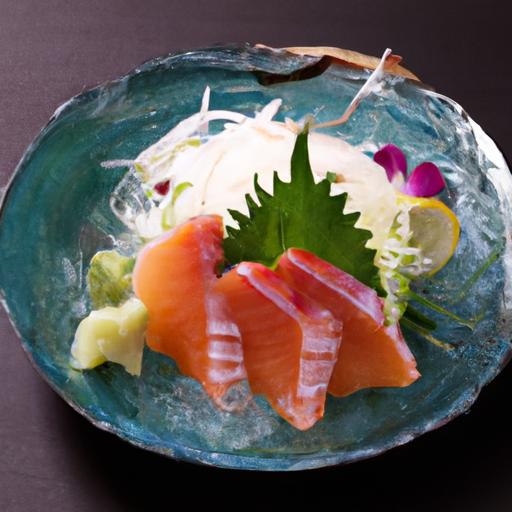

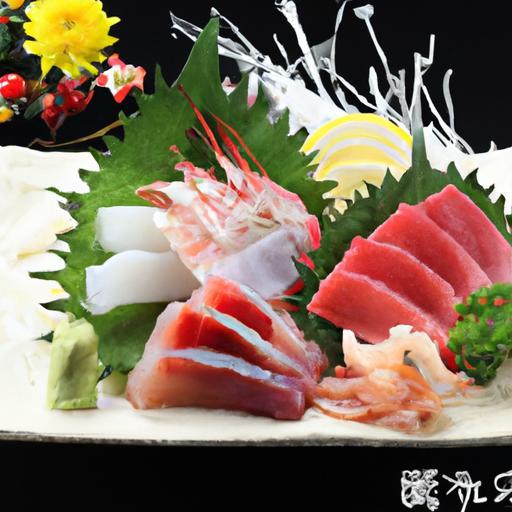
Nestled in the vibrant heart of Osaka lies a bustling haven where tradition and freshness converge-the Osaka Central Fish Market. Often overshadowed by its more famous Tokyo counterpart, this lively marketplace offers an authentic glimpse into the city’s deep-rooted seafood culture. From pre-dawn auctions to the colorful stalls brimming with the freshest catch,the market pulses with energy and stories waiting to be discovered. Exploring osaka’s tsukiji gem reveals not just a place of commerce,but a living tapestry of culinary heritage and local life that continues to thrive in the modern age.
Osaka Central Fish Market offers an unparalleled gateway to Japan’s freshest seafood, inspiring the creation of dishes that celebrate the vibrant flavors discovered within its bustling stalls. Among the many delights, the Osaka Central Fish Market is where tradition meets taste, encouraging food lovers to savor seasonal treasures like buttery fresh uni (sea urchin), tender octopus, and jewel-like sashimi-grade tuna. Today’s recipe highlights one of the market’s signature experiences: a chilled seafood bowl combining the harvest of the sea with a subtle, fragrant rice base-a dish that invites you to replicate the vibrant atmosphere of Osaka’s beloved market right at home.
Prep and Cook Time
- Readiness: 20 minutes
- Cooking: 15 minutes
- Total Time: 35 minutes
Yield
Serves 2-3 people
Difficulty Level
Medium - requires handling of fresh seafood and managing precise seasoning
Ingredients
- 2 cups sushi rice, rinsed thoroughly and drained
- 2 1/2 cups water
- 1/3 cup rice vinegar
- 2 tbsp sugar
- 1 tsp salt
- 150g sashimi-grade tuna, cut into bite-sized cubes
- 100g fresh uni (sea urchin)
- 100g cooked octopus slices
- 50g ikura (salmon roe)
- 1 sheet nori, shredded finely
- 1 tbsp toasted sesame seeds
- 2 stalks scallions, thinly sliced
- wasabi and pickled ginger, to serve
- Soy sauce, for dipping
Instructions
- Cook the sushi rice: In a rice cooker or pot, combine rinsed rice and water. Cook until tender and fluffy. Allow to rest covered for 10 minutes.
- Prepare sushi vinegar: While rice cooks, gently heat rice vinegar, sugar, and salt in a small saucepan just until sugar dissolves.Let cool.
- Season the rice: Transfer hot rice to a wooden or glass bowl. Gradually fold in the sushi vinegar mixture using a wooden paddle or spatula with gentle, cutting motions to avoid smashing the grains.Fan the rice to cool it quickly and achieve a glossy texture.
- Assemble the bowl: Divide the seasoned sushi rice equally among serving bowls.
- Top artistically: Arrange fresh tuna cubes, uni, octopus slices, and salmon roe over the rice in vibrant clusters, showcasing their vivid colors and textures.
- Garnish thoughtfully: Sprinkle the shredded nori, toasted sesame seeds, and scallions evenly over each bowl to add umami and a subtle crunch.
- Serve promptly: Offer with soy sauce, wasabi, and pickled ginger on the side to balance and enhance flavors.
Chef’s Notes
- freshness is key: Prioritize sourcing sushi-grade seafood from trusted suppliers or, ideally, visit the Osaka Central Fish Market itself to pick ingredients personally.
- Substitutions: If uni is unavailable, creamy avocado can add richness without overpowering other flavors.
- Rice texture matters: avoid overmixing the rice when folding in vinegar; overworked rice can become mushy.
- Make ahead: sushi rice is best freshly prepared. If needed, prepare rice up to 2 hours before serving, keeping it covered with a damp cloth.
Serving Suggestions
Present this seafood bowl in wide ceramic bowls with a slight rustic touch to echo the market’s authentic atmosphere. Serve alongside a chilled glass of sake or lightly brewed green tea. Garnish with fresh shiso leaves or microgreens for a pop of color and aroma. Pair with a side of lightly pickled cucumbers or daikon radish to add crispness to the meal.

| Nutrient | Per Serving |
|---|---|
| Calories | 420 kcal |
| Protein | 35 g |
| Carbohydrates | 55 g |
| Fat | 10 g |
For deeper insights into fresh seafood preparation and local market finds, explore our related article on Osaka Street Food Guides. For authentic techniques and seafood safety, consult the official guidelines provided by FDA Seafood Safety.
Q&A
Q&A: Osaka Central Fish Market – Exploring Osaka’s Tsukiji Gem
Q: What is the Osaka Central Fish Market?
A: The Osaka Central Fish Market is a vibrant, sprawling hub of seafood commerce and culture located in Osaka, Japan. Often likened to Tokyo’s famed Tsukiji market, it serves as a critical node for fresh fish and seafood distribution in the Kansai region, blending conventional market operations with a unique local flair.
Q: Why is it called ”Osaka’s Tsukiji Gem”?
A: While Tokyo’s Tsukiji Market holds legendary status, Osaka’s Central Fish Market earns its nickname as a “gem” because it embodies a similar spirit of freshness, energy, and culinary heritage – yet it offers a distinct regional character.It’s less touristy than Tsukiji,frequently enough more approachable,and showcases Osaka’s rich food culture in layered,authentic ways.
Q: what can visitors expect when exploring the market?
A: Visitors can expect a sensory adventure: aisles brimming with glistening seafood, the hum of vendors passionately calling out their freshest catches, and the aroma of ocean air mingling with ready-to-eat street snacks. Beyond wholesale trading, the market is dotted with small eateries serving sushi, grilled fish, and other Kansai specialties prepared with utmost freshness.
Q: How dose Osaka central Fish Market differ from Tokyo’s Tsukiji?
A: Unlike Tsukiji, which became internationally famous and tourist-heavy, Osaka’s market retains a more local, working-market atmosphere. It is younger and less commercialized, offering a glimpse into daily life where locals source their seafood. The market also highlights regional species and cooking styles distinctive to Osaka and the Kansai area.
Q: Are there any unique events or auctions at the market?
A: Yes, like Tsukiji, Osaka Central Fish Market hosts early-morning tuna auctions that thrill both buyers and onlookers. Visitors can sometimes witness these auctions, experiencing the excitement of bidding amidst echoes of shouted prices and flashing knives. Special seasonal events celebrate particular fish or marine harvests, reflecting the market’s deep ties to the fishing calendar.
Q: What’s the best time to visit the market?
A: Early morning is prime time-typically between 5 AM and 8 AM-when auctions and deliveries create a lively buzz. However,some restaurants open later,so visitors may also explore mid-morning to sample fresh seafood dishes. Weekdays tend to be quieter and more authentic, while weekends offer a more relaxed, family-amiable vibe.
Q: How accessible is the market for tourists?
A: The market is well-connected by public transit and relatively easy to navigate, though early morning visits can require some planning. English signage may be limited,but the welcoming vendors and market staff often respond warmly to curious visitors. Guided tours are sometimes available, helping to peel back layers of history and culinary tradition.
Q: Why should seafood lovers put Osaka Central Fish Market on their itinerary?
A: For seafood lovers seeking an authentic, less-commercialized market experience, Osaka Central Fish Market provides a treasure trove of flavors and cultural insight.It’s a living showcase of Japan’s deep connection to the sea-from the boat to the plate-wrapped in the energetic, down-to-earth vibe unique to Osaka.
Q: Any tips for first-time visitors?
A: Dress comfortably and prepare for early starts. Bring cash, as many vendors prefer it. Keep an open mind to try unfamiliar seafood delicacies, and don’t hesitate to engage with vendors-they’re often happy to share recommendations. bring a good appetite and a sense of adventure to savor the full market experience.
Exploring Osaka central fish Market is more than a visit; it’s an immersion into the pulse of Osaka’s seafood culture, a journey bridging ocean harvest and culinary artistry.
Future Outlook
as the sun sets over Osaka’s vibrant skyline, the Central Fish Market remains a testament to the city’s enduring bond with the sea. More than just a marketplace, it is a living mosaic of tradition, commerce, and culture-where the freshest catches tell stories of distant waters and the rhythms of daily life converge. For those seeking to immerse themselves in an authentic slice of Osaka’s maritime heritage, the market offers a sensory voyage unlike any other. Whether savoring delicate sashimi or simply wandering amidst the bustling stalls,visitors leave with a deeper thankfulness of the ocean’s gifts and the city that cherishes them.In exploring this Tsukiji gem, one discovers not only seafood, but a piece of Osaka’s pulsating heart.