
there’s something undeniably inviting about the warm, hearty aroma of freshly baked sourdough wafting through a kitchen. Among the many grains that have sustained humanity for centuries, spelt stands out for its nutty flavor and wholesome texture, lending an artisanal touch to conventional breadmaking. In this exploration of rustic delights, we delve into the art of crafting the perfect spelt sourdough bread-a loaf that embodies simplicity, patience, and the timeless dance between wild yeast and ancient grain. Whether you’re a seasoned baker or an excited beginner,this guide invites you to discover the subtle nuances and rewarding process behind creating bread that is as nourishing as it is flavorful.
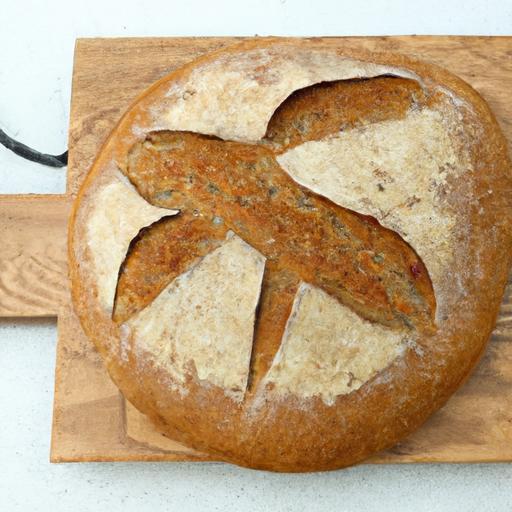
Rustic spelt sourdough bread captures a unique harmony of nutty aroma, tender crumb, and a hearty, crispy crust. Its ancient grain heritage offers a delightful twist, ideal for those seeking wholesome flavor and artisanal charm right in their kitchen. Embracing spelt flour in sourdough baking lets you unlock a world where tradition meets texture, creating loaves that both nourish and impress. Through mindful techniques and patient fermentation, each step in this process transforms simple ingredients into rustic delights with character and soul.
Prep and Cook Time
- Preparation: 20 minutes
- Bulk Fermentation: 4 to 6 hours
- Proofing: 1 to 2 hours
- Baking: 40 minutes
- Total Time: Approx. 7 to 9 hours (including resting)
Yield
1 medium rustic spelt sourdough loaf (about 800g)
Difficulty Level
Medium-perfect for bakers ready to elevate their artisanal bread skills
Ingredients
- 450g spelt flour,preferably whole grain for depth of flavor
- 350g water,lukewarm (about 75°F / 24°C)
- 100g active sourdough starter (fed and bubbly)
- 10g fine sea salt
Instructions
- mix the Dough: In a large bowl,combine spelt flour and lukewarm water. Stir gently untill fully hydrated, then cover and let rest for 30 minutes to autolyse.This step helps the spelt flour fully absorb water, resulting in improved dough extensibility.
- Add Starter and Salt: Incorporate the active sourdough starter and sea salt. Mix thoroughly using your hands or a dough scraper until evenly distributed. The dough will feel softer and slightly sticky; this moisture is key for tender crumb and open structure.
- Kneading Technique: Spelt’s delicate gluten network requires gentle handling. Perform 4 sets of stretch-and-folds at 30-minute intervals instead of traditional kneading.To stretch and fold, reach under the dough, stretch it upward gently, and fold it over itself, rotating the bowl with each fold.
- Bulk Fermentation: Cover the bowl and allow the dough to ferment at room temperature (70-75°F / 21-24°C) for 4 to 6 hours. Look for increased volume (about 50%) and bubbles signaling active yeast and lactobacilli activity.
- Shape the Loaf: Turn the dough gently onto a floured surface and shape into a tight boule or bâtard, folding edges into the center to build surface tension. Avoid overworking as spelt gluten breaks down easily.
- Final Proof: Place the shaped dough in a well-floured banneton or bowl lined with a flour-dusted towel. Cover and proof for 1 to 2 hours until it slightly springs back when poked.
- Preheat the Oven: Place a Dutch oven or heavy oven-safe pot inside your oven and preheat to 475°F (246°C) for at least 30 minutes. This creates a steamy environment essential for developing a crispy crust.
- Bake: Carefully transfer the dough onto parchment paper, score the top with a sharp blade to control oven spring, and place it into the preheated Dutch oven. Cover and bake for 20 minutes, then remove the lid and bake an additional 20 minutes until the crust is a deep golden-brown and crackling.
- Cool Fully: Transfer the bread to a wire rack and cool for at least 2 hours. this resting period allows the crumb to set and prevents gumminess.
Tips for Success
- Use fresh sourdough starter with visible bubbles and a pleasant aroma to ensure a lively fermentation.
- Spelt flour absorbs less water than wheat; monitor hydration and adjust slightly if the dough feels overly wet or dry.
- Perform stretch-and-folds gently to avoid tearing the gluten network,as spelt has a more fragile protein structure.
- If a tangier sourdough flavor is preferred, extend bulk fermentation by an hour in a cooler environment (around 68°F / 20°C).
- For a crispier crust, bake the loaf uncovered for an additional 5-10 minutes after removing the Dutch oven lid, but watch closely to prevent burning.
- Make-ahead idea: After shaping, refrigerate for an overnight cold proof to develop deeper flavor and improve shelf life.
Serving Suggestions
This rustic spelt sourdough pairs beautifully with creamy cheeses, drizzles of quality olive oil, or hearty soups. Slice thick and toast for an elevated breakfast with smashed avocado and smoked paprika. For a visual appeal, garnish with a dusting of flour or sprinkle sesame seeds on the loaf before baking to add subtle texture and aesthetic flair.

| Nutrient | Per Serving (100g) |
|---|---|
| Calories | 240 kcal |
| Protein | 8 g |
| Carbohydrates | 46 g |
| Fat | 2 g |
For an in-depth guide on sourdough starter maintenance and troubleshooting, visit our artisan starter guide. Further scientific insights on spelt flour’s nutritional value can be found via The World’s Healthiest Foods.
Q&A
Q&A: Rustic Delights – Crafting Perfect Spelt Sourdough Bread
Q: What makes spelt sourdough bread different from regular sourdough?
A: Spelt sourdough bread stands out for its nutty, slightly sweet flavor and tender crumb, thanks to spelt flour’s unique gluten structure.Unlike standard wheat, spelt offers a more rustic texture and often feels lighter and easier to digest, making it a delightful twist on traditional sourdough.Q: Why choose spelt flour for sourdough baking?
A: Spelt flour brings a rich history and a subtle earthiness to your loaf. It contains a different balance of proteins and gluten, which lends a delicate chew and aromatic depth. For those seeking a bread with character and a slightly ancient grain appeal, spelt is a perfect choice.
Q: How does the fermentation process change when using spelt flour?
A: Spelt flour ferments somewhat faster than regular wheat because its gluten is more fragile and hydrates quickly. This means you might notice your dough rising sooner and becoming more relaxed.Patience is key-monitor the dough closely to avoid over-proofing.
Q: What are some essential tips for working with spelt sourdough?
A: Hydration is crucial; spelt flour tends to absorb water quickly but can feel sticky. Start with moderate hydration and adjust as needed. Gentle handling during folding and shaping preserves the dough’s structure without breaking down the delicate gluten. Also, don’t rush the bulk fermentation-spelt responds well to slower, cooler rises.
Q: Can spelt sourdough bread be made gluten-free?
A: No, spelt is a variety of wheat and contains gluten. While it’s often easier to digest for some, it is not suitable for those with gluten intolerance or celiac disease.
Q: How does baking temperature effect the crust and crumb of spelt sourdough?
A: spelt sourdough benefits from a hot initial bake, roughly 230°C (450°F), to encourage oven spring and a crisp crust. Lowering the temperature after the first 15-20 minutes helps develop an even crumb without drying the bread out. The result is that coveted rustic, golden crust paired with a soft, flavorful interior.
Q: What’s the best way to store spelt sourdough bread?
A: To maintain its freshness and texture,store your spelt sourdough loaf in a breathable environment-like a paper bag or a bread box-at room temperature. avoid plastic bags, which trap moisture and can lead to a soggy crust. For longer storage, slicing and freezing works wonderfully.
Q: Any creative serving suggestions for spelt sourdough?
A: Absolutely! Its nutty depth pairs beautifully with sharp cheeses, honey, or fruit preserves. Toast slices for breakfast topped with avocado or use hearty spelt sourdough for rustic sandwiches. This bread shines whether simply buttered or part of a gourmet spread.
Q: How can beginners embrace rustic charm while baking spelt sourdough?
A: Embrace the process with patience and curiosity. rustic means imperfections are part of the beauty-don’t chase a perfect shape or uniform crumb. Let the natural flavors and textures sing, and enjoy the tactile joy of crafting bread that connects you to centuries of tradition.
With these insights, your journey into spelt sourdough bread baking is poised to be both rewarding and flavorful – a true rustic delight.
The Conclusion
As the aroma of freshly baked spelt sourdough fills your kitchen, you realize that crafting this rustic delight is more than just a baking endeavor-it’s a journey into tradition, patience, and simple ingredients transformed by time and care. Whether you’re a seasoned baker or a curious novice, embracing the unique textures and subtle flavors of spelt sourdough invites you to slow down, savor the process, and enjoy the humble beauty of homemade bread. So, take up your mixing bowl, nurture your starter, and let each loaf you create tell its own story of warmth, craft, and wholesome goodness.