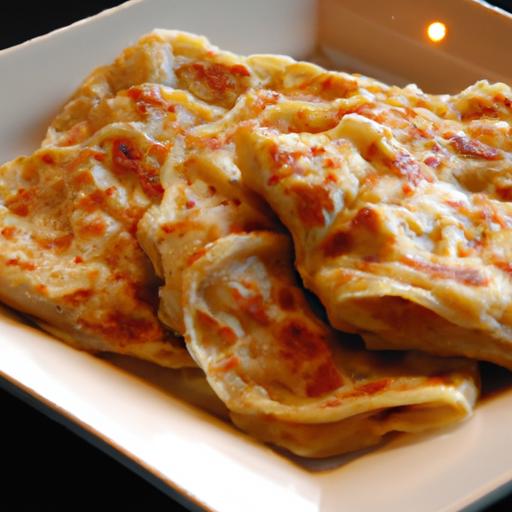

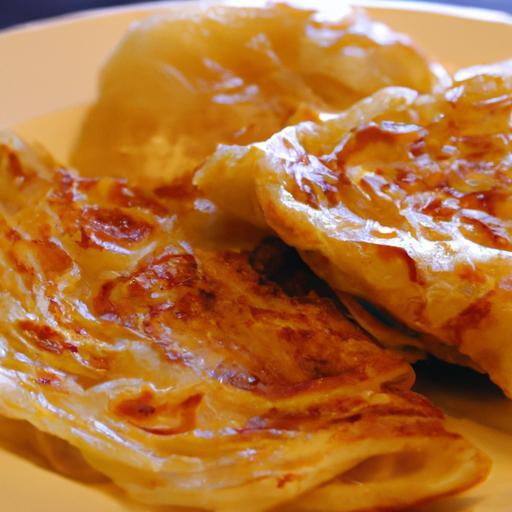
In the vibrant tapestry of Malaysian cuisine, few dishes capture the essence of cultural fusion adn culinary artistry quite like roti canai. This flaky, golden flatbread-a beloved staple at roadside stalls and bustling eateries alike-offers more than just a satisfying bite; it tells a story of heritage, tradition, and the subtle interplay of textures and flavors. As we delve into the world of roti canai,we explore its origins,its unique readiness,and the ways in wich this humble yet irresistible delicacy continues to enchant taste buds across Malaysia and beyond.
Origins and Cultural Meaning of Roti Canai in Malaysia
Roti Canai, a flaky delight at the heart of Malaysian cuisine, carries with it a rich tapestry of history and cultural fusion. This iconic flatbread traces its roots to the Indian subcontinent, brought to Malaysia by Tamil Muslim immigrants during British colonial times. Over the decades, it has evolved into an emblematic Malaysian breakfast staple, beloved by locals and tourists alike.
More than just a carb, Roti Canai symbolizes the harmony of Malaysia’s multiethnic society, blending Indian culinary techniques with local flavors. The act of stretching and folding the dough over and over reflects the patience and craftsmanship handed down through generations. Whether served alongside spicy dhal or curry chicken,it offers a delicious gateway into Malaysia’s vibrant food culture.
Mastering the Art of Flakiness: Creating the Perfect Roti Canai
to achieve the spellbinding flakiness that defines Roti Canai, patience and technique unite. The secret lies in the dough’s elasticity and generous use of oil or ghee during stretching and folding. Each fold traps delicate layers of air, which crisp up beautifully when cooked on a hot griddle.
Start with a well-rested dough-ideally after several hours or overnight-allowing the gluten to relax. When shaping, handle the dough gently, letting it stretch paper-thin without tearing. The sizzling griddle is your ally, quickly transforming the layers into golden, buttery pockets that peel apart with satisfying ease. With practice,mastering this ritual becomes a graceful and rewarding culinary dance.
Exploring Traditional and Innovative Roti Canai Fillings
While the classic Roti Canai is typically served plain alongside rich curries, the creativity with fillings is boundless.Traditional favorites include egg, onions, or sambal for a spicy kick. For those eager to experiment, fillings such as banana with condensed milk, curried chicken, or even cheese and herbs bring delightful twists that enhance texture and flavor contrasts.
For a sweet treat,wrapping the dough around sugary mung bean paste or Nutella has become increasingly popular in contemporary Malaysian eateries.Balancing the flaky exterior with a luscious filling invites endless possibilities-each variation telling its own story, while still honoring the essence of Roti Canai.
Where to Savor the Best Roti Canai Across malaysia
Embarking on a Roti Canai pilgrimage across Malaysia unveils a treasure trove of regional specialties and beloved vendors. In Penang, hawker stalls renowned for their perfectly charred crispness draw crowds at dawn. Kuala lumpur’s bustling markets offer elevated versions served with fragrant curries or dhal. Meanwhile, smaller towns might surprise you with secret family recipes passed down for generations.
Among notable places, Good Food’s Roti Canai feature provides excellent insights into classic preparation, while local guides like HungryGoWhere Malaysia spotlight hidden gems where freshness and flakiness reign supreme.
Prep and Cook Time
- Preparation: 20 minutes
- Resting: 4 hours (or overnight for optimal texture)
- Cooking: 10-15 minutes per batch
- Total: Approximately 4 hours 35 minutes (including resting)
Yield
Serves 6 – 8 pieces of Roti Canai
Difficulty Level
Medium – Requires time, patience, and practice for perfect layering
Ingredients
- 2 ½ cups all-purpose flour, sifted
- 1 teaspoon salt
- 1 tablespoon sugar
- 1 cup warm water
- 2 tablespoons sweetened condensed milk
- 3 tablespoons ghee or melted unsalted butter, plus more for cooking
- Vegetable oil for coating and frying
Instructions
- Combine dry ingredients: In a large mixing bowl, whisk together flour, salt, and sugar until evenly mixed.
- Add liquids: Gradually pour warm water and condensed milk into the flour while stirring with a wooden spoon or your hands until a rough dough forms.
- Knead the dough: On a lightly floured surface, knead for 8-10 minutes until smooth and elastic.Incorporate ghee during the last few minutes of kneading.
- Rest the dough: Divide dough into 6-8 equal balls. Coat each ball lightly with vegetable oil, cover with plastic wrap or a damp cloth, and let rest for at least 4 hours or overnight in the refrigerator for best results.
- Stretch the dough: Take one dough ball, coat your hands with oil, and gently stretch it out on a clean, oiled surface until paper-thin, almost translucent. Fold the edges back into the center, forming a square or coil shape to create layers.
- Preheat griddle: Heat a non-stick pan or griddle over medium-high heat. Add a teaspoon of ghee or butter.
- cook roti Canai: Place folded dough onto the hot pan. Cook until golden brown and crisp on one side, about 2-3 minutes. Flip and cook the other side similarly. Add extra ghee if needed for crispiness.
- Serve promptly: Enjoy warm with dhal, curry, or your favourite filling.
Tips for Success
- Resting the dough overnight improves elasticity and flavor.
- Use warm water-not hot-to activate the gluten without killing yeast (if used).
- Oiling your hands generously while stretching helps prevent tearing.
- Practice the stretching technique-think of the dough as a delicate silk scarf.
- Cook on medium heat to ensure thorough cooking inside without burning the outside.
- For fluffy layers, fold dough multiple times and gently press before cooking.
Serving Suggestions
Roti Canai shines when paired with fragrant lentil dhal, rich chicken curry, or sweet sugar and condensed milk for dessert.Garnish with a sprinkle of fresh cilantro or finely sliced shallots to add brightness. Wrap it around spicy sambal or scoop up with sambal telur for a textural adventure.
For a modern twist, try serving alongside a vibrant homemade sambal or a drizzle of coconut cream to amplify the flavors and add luscious mouthfeel.

| Nutrient | Per Serving (1 piece) |
|---|---|
| calories | 220 kcal |
| Protein | 4 g |
| Carbohydrates | 30 g |
| Fat | 8 g |
Q&A
Q&A: Roti Canai – Exploring the Flaky Delight of Malaysian Cuisine
Q1: What is Roti Canai?
A1: Roti Canai is a beloved Malaysian flatbread known for its golden, flaky layers and slightly chewy texture. It’s a versatile staple often enjoyed at any time of day, either plain or stuffed with various fillings, and typically paired with rich, savory curries.
Q2: Where did Roti Canai originate?
A2: Roti Canai traces its roots to Indian influence, particularly the Indian paratha. It was brought to Malaysia by Tamil Muslim migrants and evolved over time into the distinctly Malaysian version we savor today, reflecting a gorgeous fusion of cultures.Q3: How is Roti Canai made to be so flaky?
A3: The secret lies in a special dough preparation technique. The dough is kneaded with ghee or oil, then repeatedly stretched, folded, and “flipped” until it forms thin layers. When cooked on a hot griddle, these layers puff up and crisp, creating that sought-after flaky texture.
Q4: What are the common ways to enjoy Roti canai?
A4: Traditionally, Roti Canai is served with dhal (lentil curry), chicken or beef curry, or even sugar for a sweet twist. Beyond this, creative variations include fillings like egg, banana, or sardines, transforming the humble flatbread into a canvas of flavors.
Q5: why is Roti Canai considered such an important part of Malaysian cuisine?
A5: More than just food, Roti Canai embodies Malaysia’s multicultural heritage. It’s a daily comforting presence across diverse communities and a culinary symbol of adaptation and unity,celebrated in both humble street stalls and upscale eateries.
Q6: Can Roti Canai be found outside Malaysia?
A6: Absolutely. Thanks to Malaysia’s diaspora and the global popularity of its cuisine, Roti Canai can be found in various countries, often under different names like roti prata in Singapore. Wherever it appears, it carries the same charm and flaky allure.
Q7: Any tips for someone attempting to make Roti Canai at home?
A7: Patience and practice are key! Use warm water and plenty of oil or ghee in your dough for elasticity and richness. Don’t rush the folding and stretching – the magic lies in those layered folds. And cook over medium-high heat to get that perfect golden crust without burning.
Q8: What makes Roti Canai stand out among other flatbreads?
A8: Its unmistakable balance of crispiness and softness, combined with intricate layers, sets Roti Canai apart.It’s not just a flatbread; it’s a tactile and flavorful experience, inviting you to pull apart each flaky piece and savor the harmony of texture and taste.
to Conclude
As the layers of roti canai unfold, so too does a story rich in culture, tradition, and culinary artistry. This humble flatbread, with its golden crispness and tender flakiness, offers more than just a meal-it provides a delicious window into Malaysia’s vibrant tapestry of flavors and influences. Whether enjoyed with a spicy curry or simply torn by hand, roti canai invites you to savor a piece of Malaysian heritage, one flaky bite at a time.