
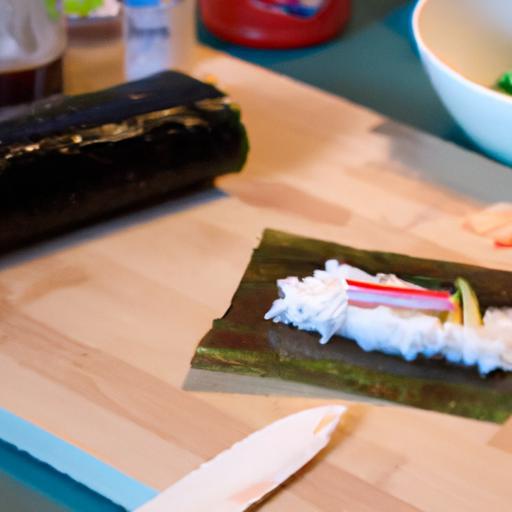
There’s an art to rolling sushi, a delicate dance of precision and intuition traditionally guided by the familiar bamboo mat. But what if you coudl liberate yourself from that tool, embracing a freer, more tactile approach? Rolling sushi freehand invites both novice and seasoned chefs to reconnect with the ingredients beneath their fingertips, transforming the act of sushi-making into a sensory experience. In this article, we explore the matless technique-its nuances, challenges, and rewards-offering a fresh perspective on mastering sushi rolling without the confines of the bamboo mat. Whether you seek simplicity or a deeper connection to your craft, rolling freehand opens a new chapter in the story of sushi artistry.
Rolling sushi freehand is an adventurous and rewarding way to master the delicate art of sushi making without the reliance on a bamboo mat. This technique not only deepens your connection with each ingredient but also allows for greater creativity in shaping your rolls. Originating from traditional sushi chefs’ improvisations when mats were unavailable, rolling sushi freehand captures the essence of precision, patience, and tactile intuition-qualities every sushi lover can develop.
Prep and Cook Time
- Preparation: 20 minutes
- Assembly and Rolling: 15 minutes
- Total Time: 35 minutes
Yield
- Serves 4 people (makes approximately 8 sushi rolls)
Difficulty Level
- medium – Ideal for home cooks with basic sushi knowledge eager to experiment
Ingredients
- 2 cups sushi rice, rinsed and cooked
- 1/4 cup rice vinegar, seasoned with 2 tablespoons sugar and 1 teaspoon salt
- 4 sheets nori (seaweed), cut in half
- 1 avocado, thinly sliced
- 1 cucumber, julienned
- 8 oz fresh sushi-grade salmon or tuna, sliced into thin strips
- 2 tablespoons toasted sesame seeds
- Soy sauce, for serving
- Pickled ginger and wasabi, for garnish
Instructions
- Prepare the sushi rice: Once cooked, gently fold the seasoned rice vinegar into the rice using a wooden spatula. Allow it to cool to room temperature for about 15 minutes.
- Lay out your nori: Place one nori half shiny-side down on a clean surface. With wet fingers, spread a thin, even layer of rice covering about 80% of the nori, leaving 1 inch at the far edge free of rice to seal the roll later.
- Add your fillings: Align thin strips of fish, avocado, and cucumber horizontally across the center of the rice, ensuring not to overload-the secret to tight rolling.
- Start rolling freehand: Using your thumbs to lift the edge nearest you, begin to carefully fold the nori over the fillings while gently holding them in place with your fingers. This is the moment that defines your sushi’s shape.
- Roll with control: Continue rolling forward, pressing gently but firmly to maintain even pressure. The key is to avoid squeezing too hard, which can cause the roll to burst or the rice to mash.
- Seal the edge: Once the roll is almost complete, use a finger dampened with water to moisten the bare nori edge, pressing it down to stick and close the roll securely.
- Shape and slice: Using a sharp, wet knife, cut the roll into 6-8 equal pieces. Clean the knife between cuts to ensure sharp, clean edges.
- Sprinkle sesame seeds: Lightly toast sesame seeds over the rolls for an extra layer of flavor and a subtle crunch.
Tips and Common Mistakes to Avoid When rolling Sushi Matless
- Choose the right rice consistency: Sushi rice that’s too dry or too sticky will hamper rolling. Aim for perfectly moist, tender grains that hold together but don’t clump.
- Avoid overfilling: Keep your fillings modest; overloading makes it difficult to roll tightly and often leads to split rolls.
- Maintain gentle, even pressure: Pressing too hard can crush ingredients, too light and the roll won’t hold shape.
- Wet your hands often: rice sticks fast. Wet hands reduce clinging and keep the rice manageable.
- Practice patience: Like any fine skill, rolling sushi freehand gets easier and more intuitive with each attempt.
Chef’s Notes
- Swap in crab sticks, cooked shrimp, or tofu for different textures and flavors.
- If you find freehand rolling challenging, start with smaller nori sheets or half-rolls, gradually increasing size as your confidence grows.
- Make the rolls ahead and cover tightly with plastic wrap to retain moisture; slice right before serving for the freshest experience.
- For a luminous variation, add thin carrot ribbons or pickled radish for crunch and color.
Serving Suggestions
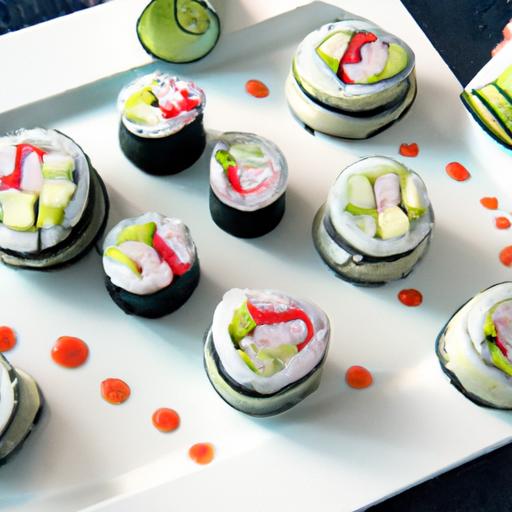
Present your beautifully freehand rolled sushi on a minimalist bamboo platter, scattered with edible flowers or microgreens. Serve alongside small dipping bowls of soy sauce, a dab of wasabi, and pickled ginger. For a fusion twist,drizzle a subtle layer of spicy mayo or unagi sauce over the rolls just before serving. accompany with chilled sake or green tea to complete the sensory journey.

| Nutrient | Per Serving (2 rolls) |
|---|---|
| Calories | 320 kcal |
| Protein | 18 g |
| Carbohydrates | 40 g |
| Fat | 8 g |
For further inspiration on sushi preparation, check out our guide to perfect sushi rice. To dive deeper into sushi’s rich culture and techniques, visit The Sushi Source.
Q&A
Q&A: Rolling Sushi Freehand – Mastering the Matless Technique
Q1: What is rolling sushi freehand, and how does it differ from traditional methods?
A: Rolling sushi freehand means shaping and rolling your sushi without the use of the traditional bamboo mat (makisu). Instead of relying on the mat’s structure, you use your hands and fingers to gently but firmly roll the ingredients into a neat sushi roll. This method offers a more tactile connection with the ingredients and encourages mindfulness in technique, making it both an art and a skill to develop.
Q2: why would someone choose to roll sushi freehand instead of using a mat?
A: There are several reasons: convenience, minimalist kitchen setup, and the desire for a more intimate, hands-on experience with sushi-making. Without the mat, you have more control over the roll’s tightness and shape, and it can be a fun challenge that hones your dexterity and sushi sense.Additionally,matless rolling is grate for on-the-go sushi preparation or when you want to avoid cleaning bamboo mats.
Q3: What are the key techniques to mastering matless sushi rolling?
A: The essentials include:
- Rice preparation: Ensure your sushi rice is at the right stickiness-not too wet or dry-to hold together well.
- Placement of ingredients: Spread the rice evenly on the nori (seaweed) and position fillings centrally to maintain balance.
- hand positioning: Use your fingertips gently to lift and fold the nori over the fillings.
- Rolling motion: Roll slowly, applying even pressure with your fingers and thumbs, creating a cylinder shape.
- Sealing the roll: Use a slight moisture of water or rice vinegar on the edge of the nori to seal your masterpiece.
Q4: Are there any common mistakes to avoid when rolling sushi freehand?
A: Definitely. Common pitfalls include overloading the roll, which can cause it to burst or become difficult to seal; rolling too loosely, resulting in a loose, crumbly roll; and not wetting the edge of the nori, which may prevent it from sticking properly. Another is rushing the process-patience and gentle handling are crucial.
Q5: Can all types of sushi rolls be made freehand, or are some better suited?
A: While many maki rolls can be mastered freehand, simpler rolls with fewer and evenly distributed ingredients tend to be easier for beginners. Classic rolls like cucumber or avocado rolls work well. Intricate rolls with multiple fillings or toppings might be more challenging but are still possible with practice.
Q6: How does mastering the matless technique impact a sushi chef’s overall skills?
A: It sharpens tactile perception, improves hand-eye coordination, and deepens understanding of texture and balance among ingredients. Mastering matless rolling instills confidence and versatility-skills that translate well into other aspects of sushi craftsmanship and culinary creativity.
Q7: What’s the best way to practice rolling sushi freehand?
A: Start with small batches and simple rolls. Focus on mastering your rice consistency and hand movements. Watching tutorials,practicing regularly,and even filming your technique to self-review can accelerate your learning curve. Most importantly, embrace trial and error-each roll teaches you something new.
Q8: is rolling sushi freehand suitable for home cooks and beginners?
A: Absolutely! Although it may seem daunting at first, with patience and practice, home cooks can quickly develop the skills needed. It’s a rewarding technique that demystifies sushi-making and invites creativity without requiring special tools.
Rolling sushi freehand is more than just a technique-it’s an invitation to engage with the craft on a deeper level, enhancing both skill and appreciation for this timeless culinary art.
To Wrap It Up
Mastering the art of rolling sushi freehand opens a new dimension of creativity and connection to this timeless culinary tradition. Without the familiar embrace of a bamboo mat, each roll becomes a unique expression of your skill, patience, and intuition. As you refine your technique, you’ll not only craft gorgeous, personalized sushi but also deepen your appreciation for the delicate balance of flavors and textures that make each bite an experience.So, embrace the challenge, trust your hands, and let the matless journey transform your sushi-making into an art form that’s truly your own.