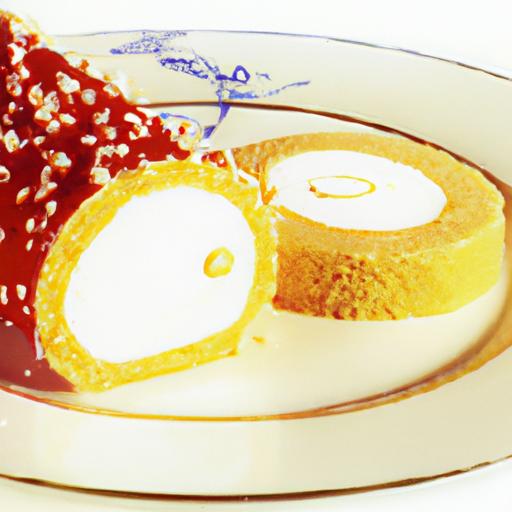

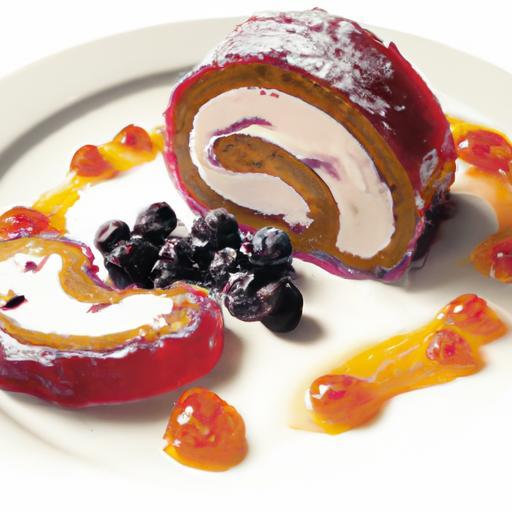
In the world of desserts, few creations capture the delicate balance of flavor and elegance quite like the French jelly roll.This timeless treat,with its soft,spongy cake wrapped around a vibrant layer of sweet jelly,invites both the eyes and the palate on a delightful journey. Rooted in tradition yet endlessly adaptable, the French jelly roll offers a charming glimpse into the art of French pastry-making-where simplicity meets sophistication in every bite. Join us as we explore the origins, techniques, and enduring appeal of this beloved dessert, uncovering what makes the French jelly roll a true culinary treasure.
The Art of French Jelly Roll captivates the senses with its delicate sponge texture and vibrant fillings,inviting both novice and seasoned bakers to create a timeless dessert that balances simplicity and elegance. Originating from French patisserie traditions, this classic roulade has long been cherished as a celebratory centerpiece in homes and cafés across Europe. its charm lies not only in its light, airy crumb but also in the versatility of its fillings, enabling infinite flavor combinations that cater to every palate.
Prep and Cook Time
- Prep Time: 20 minutes
- Cook Time: 12 minutes
- Cooling Time: 15 minutes
Yield
Serves 8-10 slices
Difficulty Level
Medium
Ingredients
- 4 large eggs, at room temperature
- ¾ cup granulated sugar
- ½ cup all-purpose flour, sifted
- ¼ cup cornstarch
- 1 teaspoon pure vanilla extract
- ¼ teaspoon salt
- Powdered sugar, for dusting
- Bench parchment paper, for lining
Instructions
- Preheat your oven to 350°F (175°C). Line a 10×15 inch jelly roll pan with parchment paper and lightly grease the paper for easy release.
- Separate the eggs, placing whites in a clean, dry bowl and yolks in another.
- Beat the egg whites with a pinch of salt at medium speed until they form soft peaks. Gradually add half of the granulated sugar and continue beating until stiff, glossy peaks appear.
- In a separate bowl, whisk the egg yolks</b together with the remaining sugar and vanilla extract until the mixture is pale and slightly thickened.
- Gently fold the egg yolks</b into the beaten egg whites using a spatula, careful not to deflate the mixture.
- Sift the flour and cornstarch</b together over the egg mixture. Incorporate gently with a folding motion until just combined and smooth.
- Pour the batter evenly into the prepared pan and smooth the surface with a spatula.
- bake for 10-12 minutes or until the sponge springs back lightly when touched and is golden but not browned.
- While the cake bakes, prepare a clean kitchen towel and dust it generously with powdered sugar.
- remove the cake from the oven. Immediately invert it onto the sugared towel and carefully peel off the parchment paper.
- Roll the cake gently from one short edge, using the towel to help create a tight spiral. Allow it to cool fully rolled up to set the shape.
- Unroll carefully and spread your choice of filling evenly before re-rolling without the towel.
- Dust with powdered sugar before serving for an inviting finish.
Tips for Success
- Use room temperature eggs for optimal volume when whipping.
- Be gentle when folding to maintain the sponge’s airy texture-this is the key to a light and fluffy sponge cake.
- If the sponge cracks during rolling, don’t worry; this is common and can be hidden with frosting or powdered sugar.
- Chill the rolled cake slightly after assembly-it helps the filling set and aids neat slicing.
- For gluten-free adaptations, try a blend of almond and rice flours but expect a slightly denser texture.
Creative Filling Ideas to Elevate Your Jelly Roll Dessert
Transform your dessert with fillings that range from luxuriously creamy to refreshingly fruity. Classic raspberry jam or apricot preserves offer a radiant tartness perfectly balanced by whipped cream or mascarpone cheese. For a decadent twist, spread a layer of dark chocolate ganache mixed with a hint of espresso.
alternative fillings like lemon curd, Chantilly cream with fresh strawberries, or even pistachio cream make for stunning flavor profiles and eye-catching cross-sections. You can also experiment with savory options such as herbed cream cheese and smoked salmon for an unexpected brunch treat.
Serving Suggestions
Slice the jelly roll to reveal the vibrant spiral of your chosen filling, and present on a white serving platter to highlight colors. Garnish with fresh berries, edible flowers, or a drizzle of coulis for an elegant touch.Pair with a cup of fragrant Earl Gray tea or a glass of sparkling wine to complete the sensory experience.
| Nutrient | Per Serving (1 slice) |
|---|---|
| Calories | 210 kcal |
| protein | 5 g |
| Carbohydrates | 30 g |
| Fat | 7 g |

To deepen your dessert experience,check out our Classic French Desserts Collection for more inspiring recipes.
Q&A
Q&A: The Art of French Jelly Roll: A Delightful Dessert journey
Q1: What exactly is a French Jelly Roll?
A French Jelly Roll is a classic dessert featuring a soft, spongy cake layer rolled delicately around a sweet fruit jelly or jam filling. Its light texture and vibrant flavors make it a beloved treat in French patisserie culture.
Q2: How did the French Jelly Roll originate?
The jelly roll’s roots trace back to European baking traditions where rolled cakes were a clever way to incorporate spreads and fillings. In France, this evolved into an elegant dessert known as the “roulé,” celebrated for its artistry and balance of flavors.
Q3: What makes the texture of a French Jelly Roll unique?
The cake is typically a genoise or sponge that is baked thin and pliable, allowing it to be rolled without cracking. Its airy structure contrasts beautifully with the smooth, often tart jelly, creating a harmonious bite.
Q4: Which types of jelly or jam are traditionally used?
Traditional options include raspberry, apricot, and blackcurrant jellies, chosen for their bright color and vibrant taste. The choice of jelly can vary regionally and seasonally, reflecting local fruit harvests.
Q5: Is the French Jelly roll tough to make at home?
While it requires some technique-especially in baking the perfect sponge and rolling it without breaking-it’s very approachable for home bakers with patience. Mastery lies in timing and gentle handling.
Q6: Are there modern twists on the classic French Jelly Roll?
Yes, contemporary pâtissiers experiment by incorporating mousses, creams, or exotic fruit gels. Some even add layers of chocolate or nuts for texture, evolving the traditional roulé into a canvas for creativity.
Q7: how is a French Jelly Roll typically served?
Often dusted with powdered sugar or adorned with fresh berries, it is sliced into neat rounds showing off its spiral of jelly. it pairs wonderfully with tea or light dessert wines.
Q8: Why does the French Jelly Roll remain popular?
its enduring charm lies in its simplicity and elegance. It’s a dessert that embodies comfort and artistry, inviting both memories of home baking and thankfulness of French culinary tradition.
Q9: Can the jelly roll be adapted for dietary needs?
Certainly. gluten-free flours and sugar alternatives can be used to cater to specific diets, making this delicate dessert accessible to many without losing its essence.
Q10: Where can one experience the best French Jelly Roll?
Some of the finest examples are found in French patisseries, especially in regions with rich baking heritage like Provence and Normandy.Though, excellent versions are increasingly available worldwide, reflecting its global appeal.
To conclude
As we conclude our journey through the delicate layers and sweet swirls of the French jelly roll, it’s clear that this dessert is far more than just a treat.It is indeed an art form that marries simplicity with elegance, tradition with creativity. Weather enjoyed in a quaint parisian café or crafted lovingly in your own kitchen, the French jelly roll invites you to savor not only its flavors but also the stories and skills woven into every bite. In embracing this delightful dessert, you partake in a timeless party of culinary artistry-where every roll unfolds a little piece of French charm.