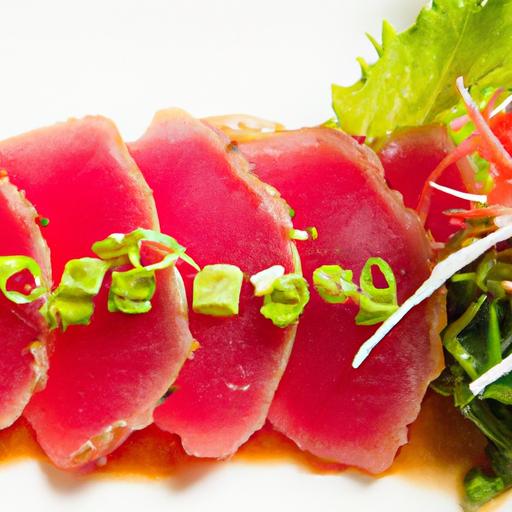

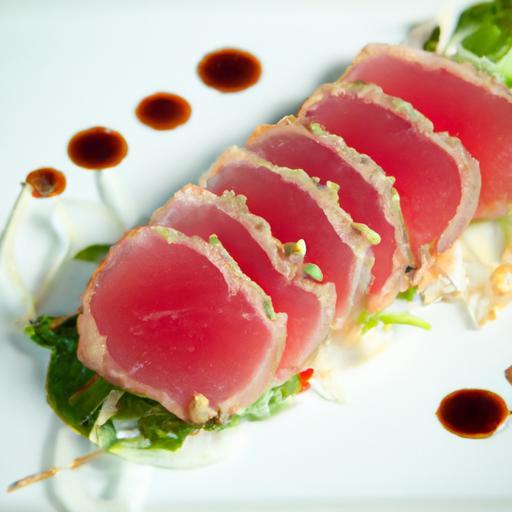
Beneath the shimmering surface of the ocean lies a treasure prized by culinary enthusiasts worldwide: sashimi tuna. Revered not only for its vibrant hues and delicate texture but also for the profound skill required to prepare it, sashimi tuna transcends mere sustenance to become an art form. This raw ocean delicacy invites diners on a sensory journey, where the freshness of the sea meets the precision of the chef’s knife. In exploring sashimi tuna, we uncover the subtle balance of flavor, tradition, and technique that transforms a simple slice of fish into a masterpiece on the palate.
Understanding the Origins and Varieties of Sashimi tuna
Sashimi tuna has long been celebrated as a symbol of culinary artistry and oceanic purity,tracing its roots back to the coastal regions of Japan where fresh,high-quality seafood is revered. This delicacy, featuring raw slices of tuna, embodies simplicity and elegance fused with incredible depth of flavor. The varieties of tuna most prized for sashimi include Bluefin, Yellowfin, and Bigeye, each bringing unique textures and taste nuances. Bluefin is favored for its rich fat marbling known as otoro, delivering a buttery, melt-in-your-mouth experience, while Yellowfin offers a leaner, slightly firmer bite with a shining, clean finish. Understanding these distinctions allows you to select the perfect sashimi tuna to suit your palate and occasion.
Mastering the Preparation Techniques for Perfect Sashimi Cuts
Mastery begins with respect for the fish and your tools.Achieving perfectly sliced sashimi tuna requires a razor-sharp knife, preferably a yanagiba or sashimi knife, designed specifically for precision cuts. Always start by patting your fish dry with a paper towel to prevent slippery handling. Slicing against the grain at a gentle 45-degree angle ensures tender, visually appealing pieces that showcase the vibrant red hues and marbling. The thickness of the slices generally ranges between 5mm to 8mm; this allows the natural texture and flavor to shine without overwhelming your palate. Remember to wipe your knife clean between slices to maintain the pristine look and prevent shredding the delicate flesh.
Exploring Flavor Profiles and Ideal pairings for Raw Tuna
The exquisite flavor of sashimi tuna balances oceanic freshness with subtle richness. Depending on the tuna variety, sashimi can lean from mild and clean to luxuriously fatty. Conventional accompaniments like freshly grated wasabi, soy sauce, and pickled ginger accentuate the fish’s natural taste without overpowering it.For a modern twist, try pairing sashimi tuna with a drizzle of yuzu kosho or a sprinkle of toasted sesame seeds to introduce gentle heat and nuttiness. light,crisp sake or chilled dry white wine complements the delicate flavors beautifully,creating a harmonious dining experience that delights the senses.
Tips for Selecting fresh Tuna to Elevate Your Sashimi Experience
Selecting sashimi-grade tuna is paramount to both safety and taste. Look for flesh that is vibrant in color, shimmering, and firm to the touch. Avoid any tuna with discoloration or a strong fishy odor. Trust your fishmonger and inquire about the catch date and origin; the freshest cuts often come from wild-caught, sustainably harvested tuna. If available,opt for previously frozen tuna,which complies with safety standards by eliminating parasites while preserving texture. When storing, keep the tuna wrapped tightly in plastic and chilled just above freezing to maintain optimal freshness until serving.
Prep and Cook Time
- Preparation: 15 minutes
- Cook Time: None (raw preparation)
- Total Time: 15 minutes
Yield
- Serves 2-3 as an appetizer
Difficulty Level
- Medium - requires knife skills and knowledge of sourcing fresh tuna
Ingredients
- 200g sashimi-grade tuna, chilled and skinless
- 2 tsp soy sauce, preferably low sodium
- 1 tsp freshly grated wasabi
- 1 small piece pickled ginger
- 1 tsp toasted sesame seeds (optional)
- Yuzu kosho or lime zest, for garnish (optional)
Instructions
- Prepare your workspace: Ensure your sashimi knife is clean and sharp. Remove the tuna from refrigeration and pat dry with paper towels to eliminate excess moisture.
- Identify the grain: Observe the muscle fibers on the tuna. Position your knife perpendicular to these fibers to maximize tenderness.
- Slice the tuna: Using a smooth, single slicing motion, cut into even 5-8mm slices. Avoid sawing back and forth to preserve texture.
- Arrange the slices: Neatly fan the tuna slices on a chilled plate,keeping them close but not overlapping to maintain visual appeal.
- garnish the sashimi: Add a small mound of wasabi and pickled ginger to the plate. Sprinkle toasted sesame seeds lightly over the slices if desired.
- Serve promptly: Present with a small dish of soy sauce on the side for dipping, or drizzle a minimal amount directly over the tuna for enhanced flavor.
Chef’s notes
- For a creamy variation, try marinating the tuna slices briefly in a mixture of soy sauce, sesame oil, and a dash of mirin.
- If sashimi-grade tuna is unavailable, consider searing the edges very lightly to reduce raw exposure, transforming it into tataki.
- Keep your knife as dry as possible between cuts to prevent sticking and tearing the fish.
- make-ahead tip: slice the tuna up to 1 hour in advance and keep it covered in the refrigerator, but avoid longer storage to preserve freshness.
serving Suggestions
Serve sashimi tuna atop a bed of shredded daikon radish or cucumber ribbons to add crunch and freshness. A side of steamed rice or sushi rolls complements the dish elegantly.For presentation, garnish with edible flowers or thinly sliced scallions to add color contrast. Pair with chilled sake or a citrusy white wine for a full sensory experience.
| Nutrient | Amount per Serving |
|---|---|
| Calories | 140 kcal |
| Protein | 30g |
| Carbohydrates | 1g |
| Fat | 1.5g |

for more insights into sushi preparation and seafood safety, check out our detailed sushi rice guide and visit the FDA seafood safety resource for trusted, up-to-date advice.
Q&A
Q&A: Sashimi Tuna - The Art and Flavor of Raw Ocean Delicacy
Q1: What exactly is sashimi tuna?
A1: Sashimi tuna is a traditional Japanese dish consisting of thinly sliced raw tuna served without rice. It highlights the purity and freshness of the fish, allowing diners to experience the ocean’s essence through delicate textures and subtle flavors.
Q2: How is sashimi tuna different from sushi?
A2: While both feature raw fish,sashimi is simply sliced fish served on its own or with minimal accompaniments such as wasabi and soy sauce. Sushi, conversely, combines vinegared rice with fish or other ingredients, creating a more complex bite. Sashimi focuses exclusively on the fish itself.
Q3: What types of tuna are commonly used for sashimi?
A3: The most prized varieties are bluefin, yellowfin, and bigeye tuna.Bluefin is often considered the gold standard due to its rich, buttery texture and high fat content, especially in the prized “otoro” cut from the belly. Yellowfin is leaner, delivering a bright, clean flavor, while bigeye offers a balance between fat and firmness.
Q4: How is quality judged when selecting tuna for sashimi?
A4: Quality hinges on freshness, color, marbling, and fat content. The flesh should gleam with vibrant ruby-red hues, have a firm yet tender texture, and be free of discoloration or fishy odors. Fatty cuts like otoro are sought after for their melt-in-the-mouth richness.
Q5: What role does preparation play in the sashimi experience?
A5: Preparation is an art form. Expert chefs slice the tuna with precision, tailoring thickness to the type of tuna and desired texture.The slicing technique influences mouthfeel and flavor release, while presentation enhances the visual appeal, inviting diners to savor with all senses.
Q6: how does sashimi tuna reflect cultural significance?
A6: Sashimi tuna embodies respect for nature’s bounty and culinary craftsmanship. It is indeed a symbol of Japanese dining aesthetics-simplicity, harmony, and reverence for ingredients. This dish celebrates the ocean’s generosity in its purest form, connecting diners to centuries of tradition.
Q7: What flavors and textures should one expect when tasting sashimi tuna?
A7: Expect a delicate harmony of subtle sweetness, mild oceanic notes, and umami depth. Depending on the cut, textures range from lean and slightly chewy to buttery and soft. The experience is clean and refreshing, frequently enough balanced by the sharpness of wasabi or the saltiness of soy sauce.
Q8: Are there any sustainability concerns with tuna used in sashimi?
A8: Yes. Tuna populations, particularly bluefin, have faced overfishing pressure. Responsible sourcing from lasting fisheries is crucial to preserving ocean ecosystems. Consumers are encouraged to seek sashimi tuna certified by recognized environmental organizations to enjoy this delicacy ethically.
Q9: How can a novice best enjoy sashimi tuna?
A9: Start with trusted establishments known for freshness and quality. Savor small bites slowly, appreciating the texture and flavor nuances. Pair with mild soy sauce and a touch of wasabi to enhance without overpowering.Approach sashimi tuna as an experience, not just a meal.
Q10: What makes sashimi tuna a timeless culinary delight?
A10: Its timelessness lies in its simplicity and purity-a raw jewel from the sea that requires no embellishment. Sashimi tuna connects past and present, tradition and innovation, and invites us to engage deeply with the natural flavors of the ocean. It is an artful celebration of raw delicacy.
In Retrospect
In the delicate dance of texture,flavor,and tradition,sashimi tuna stands as a true testament to the ocean’s quiet brilliance. Each slice invites us to savor not just a meal, but a centuries-old craft that honors purity and precision. Whether enjoyed in a minimalist Japanese setting or reimagined on modern plates,sashimi tuna continues to captivate palates and inspire thankfulness for the raw,unadulterated gifts of the sea. As we close this exploration, it is clear that beneath its simple surface lies a complex story-one that celebrates both nature’s bounty and the artistry that brings it to life.