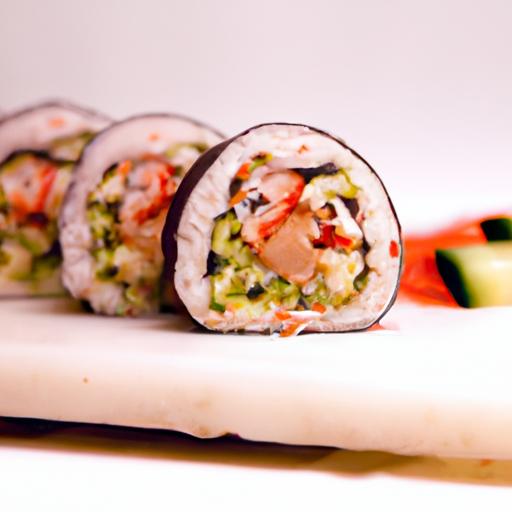

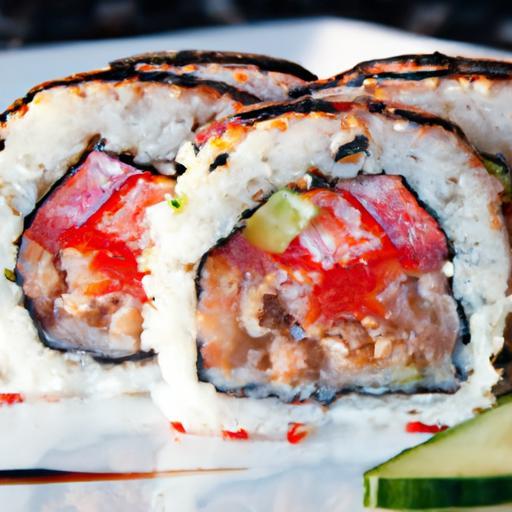
Sushi, with its delicate balance of flavors and artful presentation, has long captured the hearts of food enthusiasts around the world. Yet,for those seeking a rapid and approachable way to enjoy this beloved dish,the idea of crafting sushi rolls at home can feel daunting. Enter canned tuna-a humble pantry staple that transforms the classic sushi roll into a simple,accessible delight. In this article, we explore how canned tuna sushi rolls offer a clever twist on tradition, combining convenience with creativity to bring a fresh take on an iconic bite.
Canned Tuna Sushi Rolls: Simple Twist on a Classic Bite
canned Tuna Sushi Rolls bring an unexpected yet delightful spin to customary sushi,combining effortless convenience with rich,umami-packed flavors. Whether you’re an adventurous foodie or just seeking a quick and satisfying meal, this approachable recipe showcases how simple pantry staples can come alive with fresh, textured ingredients and artful presentation.
Prep and Cook Time
Preparation: 15 minutes
Cooking: 10 minutes
Total Time: 25 minutes
Yield
Makes 4 rolls (approximately 16 pieces)
Difficulty Level
Easy
Choosing the Perfect Canned Tuna for Sushi Rolls
Not all canned tuna is created equal when crafting delectable canned tuna sushi rolls. Opt for high-quality tuna packed in water or olive oil with a firm texture and mild flavor; albacore or skipjack tuna are excellent choices. Avoid heavily flavored varieties like those in spicy sauces or tomato as they can overpower subtle sushi profiles. Look for sustainably sourced labels to ensure eco-conscious dining without compromising taste or texture.
Balancing Flavors and Textures in Your Tuna Sushi Creation
The charm of canned tuna sushi rolls lies in the harmony of creamy tuna, slightly sweet sushi rice, and crisp vegetables.A touch of Japanese mayonnaise or a drizzle of soy sauce enhances richness while adding depth. Incorporate crunchy accents such as thinly sliced cucumber, avocado, or even toasted sesame seeds to contrast the softness. This balance elevates every bite, making it pleasantly complex yet comforting.
Ingredients
- 1 can (5 oz) high-quality canned tuna, drained
- 2 cups sushi rice, cooked and seasoned with 1/4 cup rice vinegar, 2 tbsp sugar, 1 tsp salt
- 4 sheets nori (seaweed)
- 1/2 cucumber, julienned
- 1 ripe avocado, thinly sliced
- 2 tbsp Japanese mayonnaise (Kewpie recommended)
- 1 tbsp soy sauce, plus extra for dipping
- 1 tsp toasted sesame seeds
- pickled ginger and wasabi, for serving
Step by Step Guide to Rolling and Serving Canned tuna Sushi
- Prepare the tuna filling: Gently mix drained canned tuna with Japanese mayonnaise and soy sauce in a small bowl. Set aside to let flavors meld.
- Lay the sushi mat on a flat surface: Place a sheet of plastic wrap atop the sushi rolling mat to prevent sticking.
- Place the nori sheet shiny side down: Evenly spread about 1/2 cup of seasoned sushi rice over the nori, leaving a 1-inch border at the top edge for sealing.
- Add fillings: Arrange a thin line of the tuna mixture across the rice closest to you, followed by cucumber and avocado slices.
- Roll tightly: Using the bamboo mat,roll the nori away from you,gently but firmly pressing to mold the sushi into a compact cylinder.
- Seal the roll: Wet your fingers with water and lightly moisten the exposed nori edge to stick it closed.
- Slice with a sharp knife: Cut each roll into 4 equal pieces, wiping the blade with a damp cloth between cuts to maintain clean edges.
- Garnish and serve: sprinkle toasted sesame seeds on top and accompany with pickled ginger, wasabi, and soy sauce for dipping.
Creative Variations to Elevate Your Canned Tuna sushi Experience
For a personalized touch that amplifies your canned tuna sushi rolls, try adding a spicy kick with sriracha mixed into the tuna filling. Incorporate finely chopped scallions and a splash of yuzu juice for citrus freshness.Substitute avocado with thin strips of mango or roasted red pepper for a sweet contrast. For crunch lovers, top each slice with tempura flakes just before serving.These creative twists transform a simple dish into a gourmet experience.
Chef’s Notes
- Use warm water when handling sushi rice to prevent sticking to your hands.
- Ensure sushi rice is cooled to slightly above room temperature before rolling to avoid soggy nori.
- Substitute Japanese mayonnaise with vegan mayo for a dairy-free option.
- Make ahead: Prepare tuna filling and sushi rice up to 4 hours in advance; keep refrigerated wrapped tightly.
- For extra texture,mix finely diced crisp apples or celery into the tuna mixture.
Serving Suggestions
Present your canned tuna sushi rolls on a sleek rectangular platter with contrasting dark wooden sushi boards to highlight the vibrant colors. Place pickled ginger and wasabi in small dipping dishes alongside a bowl of soy sauce. Garnish with fresh edible flowers or microgreens for a refined touch. For a casual gathering, serve with crisp sake or chilled green tea to complement the flavor profiles naturally.
| Nutrient | Per Serving (4 pieces) |
|---|---|
| Calories | 210 kcal |
| Protein | 18 g |
| Carbohydrates | 28 g |
| Fat | 5 g |

For more sushi inspiration, check out our guide on Homemade California Rolls. To explore sustainable seafood practices, visit Marine Stewardship Council.
Q&A
Q&A: Canned Tuna Sushi rolls – A Simple Twist on a Classic Bite
Q1: What are canned tuna sushi rolls?
A1: Canned tuna sushi rolls are a creative take on traditional sushi, where instead of fresh raw fish, flavorful canned tuna is used as the main filling. This approach offers a convenient, affordable, and easily accessible way to enjoy sushi at home without compromising on taste or texture.
Q2: How do canned tuna sushi rolls differ from traditional sushi rolls?
A2: Traditional sushi often features fresh raw fish such as salmon or tuna, whereas canned tuna sushi rolls substitute with cooked, canned tuna. This changes the flavor profile slightly, providing a richer, savory taste and a softer texture that some may find more approachable. It’s also quicker and simpler to prepare, making it perfect for beginners.
Q3: What types of canned tuna work best for sushi rolls?
A3: light tuna packed in water or oil works best due to its mild flavor and soft consistency.Avoid heavily flavored or chunkier versions like chunk light in brine with many added ingredients, as they may overpower the delicate balance of tastes in sushi.
Q4: Can canned tuna sushi rolls be customized?
A4: Absolutely! You can mix canned tuna with ingredients like mayonnaise, sriracha, or soy sauce to add creaminess and kick. Additionally, adding crisp vegetables such as cucumber, avocado, or green onion creates textural contrasts and a burst of freshness.
Q5: Is it necessary to use specialized sushi equipment?
A5: Not necessarily. While a bamboo rolling mat helps achieve tight, even rolls, you can also use parchment paper or even your hands to shape the rolls. The key is to work with slightly sticky sushi rice and fresh nori (seaweed sheets) for the best results.
Q6: are canned tuna sushi rolls healthy?
A6: Yes, they can be! Tuna provides lean protein and omega-3 fatty acids, while seaweed offers vitamins and minerals. Using brown rice or adding plenty of fresh vegetables can further enhance the nutritional value. Just be mindful of added sauces which can increase calories.
Q7: How should canned tuna sushi rolls be served?
A7: Serve them with classic accompaniments like soy sauce, pickled ginger, and wasabi to enhance flavors. They also pair well with a light miso soup or a crisp green salad, making for a well-rounded and satisfying meal.
Q8: Why try canned tuna sushi rolls?
A8: They offer a delightful fusion of convenience and tradition-a simple way to bring sushi-style dining to your kitchen without the need for raw fish or specialty fish markets. Perfect for sushi lovers and curious foodies alike looking for a quick, tasty twist on a classic bite.
In Retrospect
Whether you’re a seasoned sushi lover or a curious kitchen explorer, canned tuna sushi rolls offer a delightful bridge between convenience and creativity. This simple twist on a classic bite invites you to reimagine everyday ingredients with a touch of culinary flair. So next time you’re craving sushi but short on time, give this easy recipe a try-as sometimes, the most satisfying flavors come from the simplest ideas.