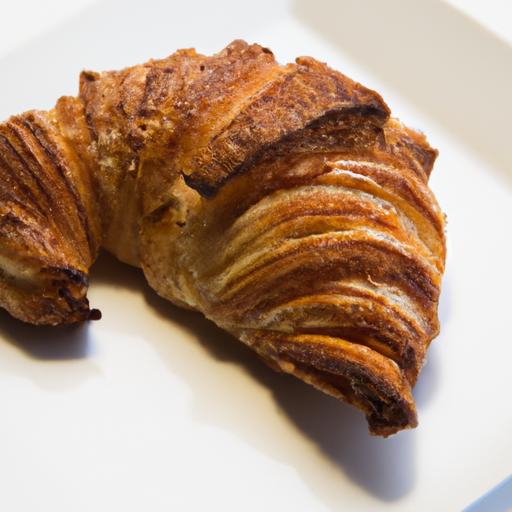

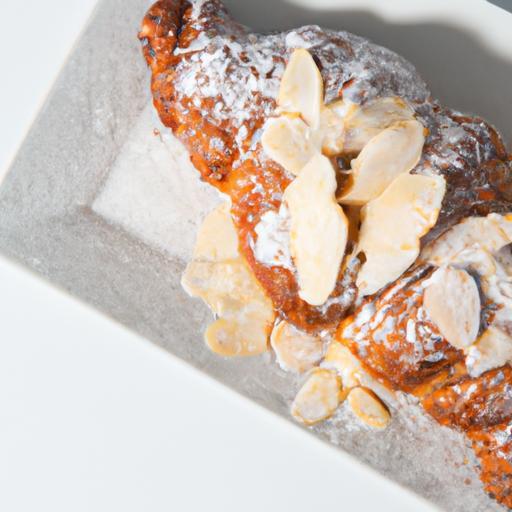
There are few pastries that manage to capture both the elegance of French baking and the comforting warmth of a cherished tradition quite like the almond croissant. With its flaky, buttery layers and delicate almond filling, this beloved treat has transcended time and trends to become a staple in bakeries around the world. Embarking on a flavor journey through the almond croissant reveals not only its rich history but also the sensory delight that continues to enchant palates across generations. In exploring its timeless charm, we uncover why this simple yet sophisticated pastry remains an enduring symbol of indulgence and craftsmanship.
Almond croissants hold a special place in the heart of pastry lovers worldwide, combining flaky, buttery layers with a luscious almond filling that delivers both texture and indulgence in every bite. originating from a tradition that blends french finesse with rich nutty flavors, these croissants evolved from simple viennoiseries to showstopping treats often loved at breakfast tables and afternoon cafés alike. The secret lies not only in their crisp, tender pastry but also in the harmonious balance of sweet almond cream that offers a comforting yet sophisticated experience.
Prep and Cook Time
- Readiness: 30 minutes (plus 12 hours chilling for dough)
- Cooking: 20 minutes
- Total Time: Approximately 13 hours (including dough resting)
Yield
- Makes 8 almond croissants
Difficulty Level
- Medium – Requires some patience and technique with laminated dough
Ingredients
- For the croissant dough:
- 4 cups (500 g) all-purpose flour, sifted
- 1/4 cup (50 g) granulated sugar
- 2 tsp instant yeast
- 1 1/2 tsp salt
- 1 1/4 cups (300 ml) cold whole milk
- 1 cup (225 g) unsalted butter, chilled and sliced
- For the almond cream (frangipane):
- 1 cup (100 g) almond flour
- 1/2 cup (115 g) unsalted butter, softened
- 3/4 cup (150 g) powdered sugar
- 2 large eggs
- 1 tsp almond extract
- 2 tbsp all-purpose flour
- For assembly:
- 8 plain croissants (homemade or store-bought fresh)
- 1 large egg (for egg wash)
- Sliced almonds (for garnish)
- powdered sugar (for dusting)
Instructions
- Prepare the croissant dough: In a large bowl, combine all-purpose flour, sugar, salt, and instant yeast. Slowly add the cold milk, mixing until a soft dough forms. knead on a lightly floured surface for about 10 minutes,until smooth and elastic.Shape into a bowl, cover with plastic wrap, and chill in the refrigerator for 12 hours.
- Laminate the dough: Roll the chilled dough into a 16×12 inch rectangle. Place the sliced cold butter evenly over two-thirds of the dough. Fold the dough like a letter: fold the uncovered third over the buttered center, then fold the remaining third over that. Rotate 90 degrees, roll out again, and repeat the folding step three times, chilling 30 minutes between folds.This develops the flaky layers essential to croissants.
- Shape and proof the croissants: Roll the laminated dough to 1/4 inch thickness. Cut into triangles (base about 4 inches wide). Roll each triangle tightly from the base towards the tip to form classic croissant shapes. Place on parchment-lined trays and proof at room temperature for 2 hours until puffed and soft.
- Prepare the almond cream: In a bowl, beat the butter and powdered sugar until fluffy. Add eggs one at a time, mixing well. Blend in almond flour,flour,and almond extract. The cream shoudl be smooth and spreadable.
- Assemble the almond croissants: Preheat your oven to 375°F (190°C). Slice each croissant horizontally but not completely through. Spoon and spread a generous amount of almond cream inside and outside the croissant. Brush the top with beaten egg and sprinkle sliced almonds for an irresistible crunch.
- Bake: Place the croissants on a lined baking sheet and bake for 18-20 minutes, until golden brown and the almond cream is set and slightly caramelized. Remove and cool slightly on a rack.
- Finish with powdered sugar: Dust the croissants with powdered sugar before serving for a lovely, classic touch.
Tips for Success
- Use cold ingredients: Keeping your butter and milk cold ensures the dough laminates properly,creating those delicate layers that make almond croissants so irresistible.
- Proof adequately: Allowing the shaped croissants to proof fully is key to a light, airy texture inside.
- Almond cream variations: Try folding in finely chopped toasted almonds for added texture or swap almond extract for vanilla for a subtle twist.
- Make-ahead: Croissants can be assembled a day in advance and kept refrigerated overnight, then baked fresh the next day.
- Use day-old croissants: For an authentic experience, many bakers use lightly stale (day-old) plain croissants to soak up the almond cream, which minimizes waste and yields decadent results.
Serving Suggestions
The perfect almond croissant is best enjoyed fresh, slightly warm to highlight its buttery layers and fragrant almond filling.Serve accompanied by a light dusting of powdered sugar and a small side of fruit preserves or fresh berries for balance.
Pair these delights with a rich espresso or aromatic café au lait to complement the nutty sweetness. For brunch gatherings,consider offering a bright,crisp dry apple cider to contrast the buttery richness.
Nutritional Details
| Per Serving (1 Croissant) | Calories | Protein | Carbohydrates | fat |
|---|---|---|---|---|
| Almond Croissant | 420 | 8g | 40g | 25g |

For more on perfecting French pastries, explore our detailed guide on how to make perfect croissants and elevate your baking craft to new heights.
Q&A
Q&A: The Timeless Charm of Almond Croissants: A Flavor Journey
Q1: What makes almond croissants stand out from regular croissants?
A1: Almond croissants elevate the classic buttery flakiness of a customary croissant by introducing a rich, nutty filling and a delicate dusting of powdered sugar or sliced almonds on top. This combination creates a multi-layered texture and flavor experience that balances sweetness with a subtle almond essence, making it a beloved pastry across cultures.
Q2: How did almond croissants originate?
A2: while the exact origin is debated, almond croissants are believed to be a French innovation, reflecting the country’s penchant for refined pastries. Some stories trace their roots to the Austrian kipferl brought to France, which then evolved into the croissant. The almond version likely emerged as bakers experimented with fillings to enhance the traditional recipe,turning it into a timeless delicacy.Q3: What are the key ingredients that define the flavor of an almond croissant?
A3: The defining flavors come from layers of buttery, flaky croissant dough and a luscious almond cream or frangipane filling made of ground almonds, sugar, butter, and eggs. Often, the croissant is soaked with almond syrup or topped with toasted almonds and powdered sugar, intensifying the nutty notes while offering a sweet finish.
Q4: Why has the almond croissant remained a popular pastry for so long?
A4: Its enduring appeal lies in the harmony of textures and flavors – the crispness of the croissant’s outer shell, the soft, airy interior, and the rich almond filling create an indulgent yet balanced treat. Additionally, almonds have a comforting familiarity worldwide, making this pastry both exotic and accessible.
Q5: Can almond croissants be enjoyed beyond breakfast?
A5: Absolutely. Though traditionally a breakfast or brunch item, almond croissants make an elegant snack or dessert paired with coffee or tea at any time of day. Their sweetness is nuanced enough to complement both casual and sophisticated settings, inviting moments of simple pleasure whenever savored.
Q6: How can home bakers recreate the almond croissant experience?
A6: Crafting the perfect almond croissant at home requires patience and attention to detail – from laminating the dough to achieving ideal flakiness, to preparing a silky almond cream. Using quality ingredients, especially fresh almonds and real butter, is crucial.While the process can be intricate, the reward is a pastry that carries the warmth and charm of a classic French bakery right to your kitchen.
Q7: What variations of almond croissants exist around the world?
A7: While the French almond croissant is the gold standard, various interpretations exist. Some bakeries add chocolate chips or apricot jam to the almond filling, while others experiment with different nuts and glazes. In some places, vegan or gluten-free versions adapt the classic flavors for diverse dietary preferences, proving the almond croissant’s timeless charm is as flexible as it is irresistible.
The Way Forward
the almond croissant remains more than just a pastry; it is indeed a delicate bridge between tradition and taste, a whisper of buttery layers infused with the subtle sweetness of almonds. Whether enjoyed in a bustling Parisian café or savored in the quiet comfort of home, its timeless charm invites us to pause, appreciate, and embark once more on that rich flavor journey. As the golden crust melts into almond-scented bliss, we are reminded that some delights truly transcend time, inviting each generation to discover their own love for this classic treat.