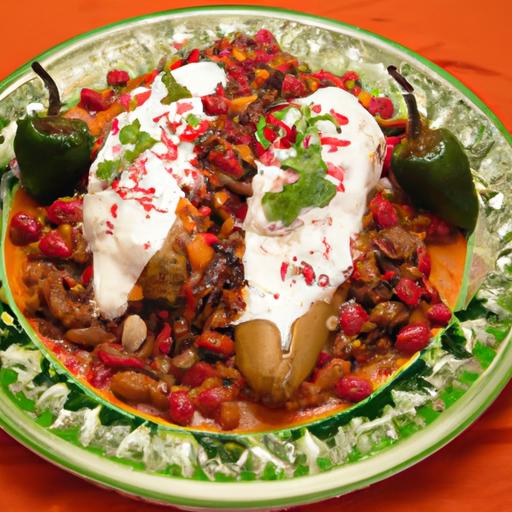

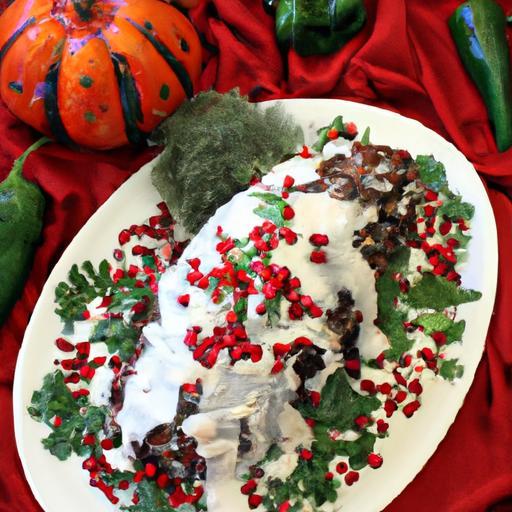
Nestled within the vibrant tapestry of Mexican cuisine lies a dish that tells a story as rich and colorful as the country itself: Chiles en Nogada. A harmonious blend of history, culture, and flavor, this culinary masterpiece emerges each year to celebrate the nation’s heritage and the bounty of its harvest. With its vivid green, white, and red presentation mirroring the Mexican flag, Chiles en Nogada is more than just a meal-it is a festive tradition that invites both locals and visitors to savor a taste of Mexico’s past and its enduring spirit. In this article, we explore the origins, ingredients, and importance of this iconic dish, uncovering why it remains a beloved symbol of Mexican identity.
Origins and Symbolism Behind Chiles en nogada
Chiles en Nogada carries with it a rich tapestry of Mexican history and patriotic pride, born in the city of Puebla during the early 19th century. This iconic dish was originally crafted by nuns to celebrate Mexico’s independence,embodying the vibrant colors of the Mexican flag through its ingredients: the green poblano pepper,the white,creamy walnut sauce,and the red pomegranate seeds sprinkled on top. Each element symbolizes unity, hope, and a prosperous future, transforming this recipe into not just a meal but a festive celebration imbued with cultural significance. Preparing it feels like honoring a time-honored tradition that beckons cooks to connect with history while delighting the senses.
Crafting the Perfect Nogada Sauce: ingredients and Techniques
The soul of this dish lies in its velvety nogada sauce, a luxurious walnut-based cream that balances the savoury stuffing with a subtle sweetness and aromatic depth. For the most authentic nogada, use freshly shelled walnuts soaked briefly to reduce bitterness and blended into a smooth cream enriched with milk or Mexican crema, a touch of fresh cheese such as queso fresco, and delicate hints of cinnamon and sherry wine. The secret is to achieve a silky texture-neither too runny nor too thick-so it gently envelops the stuffed peppers without overpowering the dish.
Using a blender or food processor, pulse the walnuts with milk and cream cheese, gradually incorporating the cinnamon and a pinch of salt. Taste as you go to balance the nuttiness and spice perfectly. The nogada sauce must be refrigerated ahead of time, allowing the flavors to meld beautifully and the sauce to thicken slightly for an elegant presentation.
Selecting and Preparing the Ideal Poblano Pepper
Choosing the right poblano peppers is paramount for an impeccable dish. Look for firm, glossy peppers with deep green hues and minimal blemishes. The size should be medium-large-perfectly capable of holding the luscious picadillo stuffing yet tender enough to bite through without trouble. To prepare, carefully roast the peppers over an open flame or under the broiler until the skin blackens and blister evenly. This step not only softens the peppers but imparts a gentle smokiness.
Once roasted, quickly transfer peppers into a sealed plastic bag or cover them with a damp cloth to steam for 10 minutes, making the skins easier to peel. Gently remove the charred skin without tearing the flesh, then slit the peppers lengthwise to remove seeds and veins, preserving the pepper’s shape for stuffing. Handling the poblanos with care ensures their delicate texture and flavor remain intact in the final presentation.
Pairing Chiles en Nogada with Traditional Mexican Sides and Drinks
When serving Chiles en Nogada, complement its richness with an array of traditional sides and refreshing drinks that enhance every bite. A simple Mexican rice infused with tomato and mild spices serves as a perfect accompaniment, soaking up any remaining nogada sauce on the plate. For texture contrast, a lightly dressed nopal salad offers fresh, crisp notes that cleanse the palate.
To drink, opt for classic beverages such as an Agua Fresca de Jamaica (hibiscus iced tea) whose tartness balances the creamy richness, or a well-chilled Mexican white wine with floral aromas and crisp acidity. for an authentic experience, a handcrafted Paloma cocktail with grapefruit and tequila adds a vibrant, zesty finish that complements the festive nature of this culinary masterpiece.
Prep and Cook Time
- Planning: 45 minutes
- Cooking: 1 hour 30 minutes
- Total: 2 hours 15 minutes
Yield
Serves 6 – generous portions perfect for festive gatherings or intimate celebrations.
Difficulty Level
Advanced – a rewarding challenge best suited for confident home cooks prepared to celebrate Mexican culinary heritage with precision.
Ingredients
- 6 large poblano peppers,roasted,peeled,and seeded
- 500g ground pork (or a mix of pork and beef)
- 1 medium onion,finely chopped
- 2 cloves garlic,minced
- 2 large tomatoes,finely chopped
- 1 apple,peeled and diced
- 1 pear,peeled and diced
- 1 peach,peeled and diced
- 1/2 cup almonds,chopped
- 1/4 cup raisins
- 1/4 tsp ground cinnamon
- 1/2 cup fresh parsley,chopped (reserve some for garnish)
- Salt and freshly ground black pepper,to taste
- 2 cups walnuts,shelled and soaked
- 1 1/2 cups milk
- 100g Mexican crema or sour cream
- 100g queso fresco,crumbled
- 1/2 tsp ground cinnamon (for nogada)
- 3 tbsp sherry wine (optional)
- 1 cup pomegranate seeds,for garnish
- Extra parsley sprigs,for garnish
Instructions
- Prepare the poblano peppers: Roast poblanos over an open flame or under the broiler until skins blister and blacken.Transfer to a sealed plastic bag and steam for 10 minutes. Peel skins carefully, keep peppers whole, slit lengthwise, and remove seeds.
- Make the picadillo stuffing: In a large skillet over medium heat, sauté the onion and garlic in a splash of oil until translucent. Add ground pork, breaking it apart, and cook until browned and cooked through, about 8 minutes.
- Add fruit and nuts: Stir in diced apple, pear, peach, almonds, and raisins. Cook another 5 minutes to meld flavors, seasoning with cinnamon, salt, and pepper. Remove from heat and fold in chopped parsley.Allow to cool slightly.
- Stuff the peppers: Carefully spoon the filling into each poblano, packing gently but without tearing. Arrange stuffed peppers on a serving platter.
- Prepare the nogada sauce: drain soaked walnuts and blend in a food processor with milk, Mexican crema, queso fresco, ground cinnamon, and sherry until smooth. Adjust consistency by adding milk if too thick, and season to taste.
- Assemble the dish: pour nogada sauce generously over each stuffed pepper, covering wholly.
- Garnish and serve: Sprinkle with vibrant pomegranate seeds and fresh parsley sprigs for a stunning presentation that captures the festive spirit.
Tips for Success
- Walnut soaking: Soak walnuts for at least 2 hours or overnight to mellow bitterness and ensure a creamy sauce.
- Vegetarian option: Substitute ground pork with sautéed mushrooms, lentils, or tempeh for a vegetarian-friendly picadillo.
- Make ahead: Prepare picadillo and nogada sauce a day in advance, storing separately. Reassemble just before serving to maintain freshness.
- Peeling poblanos: Avoid peeling under running water to preserve flavor-use a damp cloth to gently wipe off skins.
- Balancing sauce: The nogada should be creamy but not overly thick; thin with milk to desired consistency for elegant draping.
Serving Suggestions
Serve Chiles en Nogada at room temperature for the best flavor harmony. Pair it with warm Mexican rice and a simple nopal salad to add freshness and texture. Complement with chilled hibiscus iced tea or a crisp Mexican white wine. Garnish plates with extra pomegranate seeds and parsley to celebrate the patriotic colors, inviting guests to savor every colorful bite.
| Nutrient | Per Serving |
|---|---|
| Calories | 610 kcal |
| Protein | 35g |
| Carbohydrates | 40g |
| Fat | 35g |

discover more Mexican festive flavors in our mole sauce recipe, perfect for enriching your traditional culinary repertoire.
Q&A
Q&A: Chiles en Nogada – Mexico’s Festive Culinary Masterpiece
Q1: What are Chiles en Nogada, and why are they considered a Mexican culinary masterpiece?
A1: Chiles en Nogada are a traditional Mexican dish consisting of poblano chiles stuffed with picadillo-a savory mixture of meat, fruits, and spices-topped with a creamy walnut-based sauce called nogada, and finished with a sprinkling of bright red pomegranate seeds and fresh parsley. This combination creates a vibrant plate that not only delights the palate but also symbolizes the colors of the Mexican flag, linking food with national pride. They are considered a masterpiece due to their complex flavors, historical significance, and their role in Mexican independence celebrations.
Q2: What is the historical origin of Chiles en Nogada?
A2: The origin of Chiles en Nogada dates back to the early 19th century, around the time Mexico gained its independence from Spain. Legend holds that the dish was created by nuns in the city of Puebla to honor Agustín de Iturbide, a key figure in the independence movement, during his visit.The dish’s colors-green chile, white walnut sauce, and red pomegranate-were meant to represent the newly unified nation’s flag, making the meal a patriotic and symbolic feast.
Q3: What ingredients are essential in making authentic Chiles en nogada?
A3: Authentic Chiles en Nogada require several key ingredients: poblano chiles (roasted and peeled), a sweet-savory picadillo filling made from ground meat (commonly pork), mixed with dried fruits like raisins and apples, nuts, and spices. The signature nogada sauce is crafted from ground walnuts, fresh cheese or cream, sugar, and cinnamon. The final garnish of pomegranate seeds and parsley not only enhances flavor but also completes the patriotic presentation.
Q4: How do the flavors of Chiles en Nogada balance each other?
A4: The magic of Chiles en Nogada lies in their harmonious balance of flavors-sweet, savory, nutty, and slightly spicy. The richness of the meat filling mingles with the sweetness of fruits, while the creamy walnut sauce adds a mild, slightly tangy note. The pomegranate seeds introduce a bright, tart crunch, and the roasted chile provides a gentle heat, creating a multidimensional taste experience that’s both comforting and elegant.
Q5: When is the best time to enjoy Chiles en Nogada?
A5: Traditionally, Chiles en Nogada are enjoyed during the late summer and early autumn months, especially around September to coincide with Mexican Independence Day celebrations on September 16th.This timing also aligns with the harvest season when fresh walnuts and pomegranates are readily available, ensuring the dish’s signature freshness and quality.
Q6: Can Chiles en Nogada be adapted for modern or vegetarian diets?
A6: Yes, while the classic recipe centers on meat, many modern chefs experiment with vegetarian or vegan versions by substituting meat with mushrooms, quinoa, or other plant-based proteins while maintaining the complex blend of spices and fruits.The walnut nogada sauce can be adjusted using dairy-free cream alternatives for vegan diners. These adaptations honor the spirit of the dish while making it accessible to diverse dietary preferences.
Q7: What cultural significance does Chiles en Nogada hold in Mexico today?
A7: Beyond its delicious taste, Chiles en Nogada is a symbol of Mexican identity, history, and culinary artistry. It connects Mexicans to their heritage and the story of independence, frequently enough featured in celebrations focused on national pride. The dish exemplifies the richness of Mexican cuisine-its use of indigenous ingredients and colonial influences-and continues to be cherished in homes and restaurants as a festive, heartfelt tribute to the country’s past and present.
This Q&A captures the essence of Chiles en Nogada, inviting readers to appreciate not only its flavors but also its deep-rooted cultural and historical significance.
Key Takeaways
As the vibrant colors and rich flavors of Chiles en Nogada come together on the plate, they tell a story far beyond mere ingredients-a story of history, culture, and celebration woven into every bite. This iconic dish stands not only as a festive centerpiece in mexican cuisine but also as a delicious reminder of the country’s enduring spirit and heritage. Whether enjoyed during patriotic holidays or savored any time of the year, Chiles en Nogada invites us all to experience a flavorful journey that honors tradition while delighting the senses.