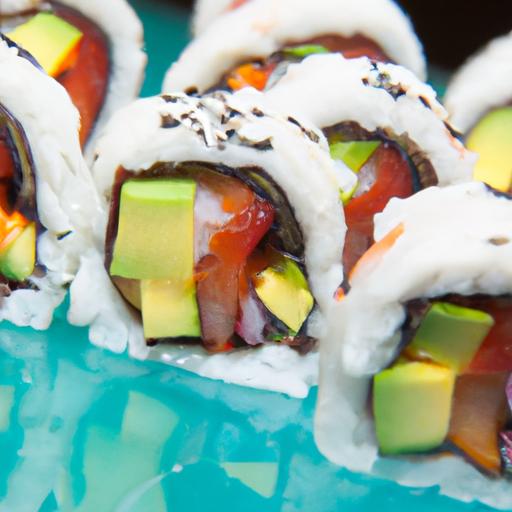


Sustainable Sushi: In a world where culinary delights often come at an environmental cost, the humble sushi roll has emerged as both a beloved favorite and a subtle symbol of sustainability challenges. As the demand for this delicate art form continues too rise, so does the importance of making mindful choices that honor the oceans and the communities who depend on them.
“Rolling Responsibly: Your Guide to Lasting Sushi Choices” invites you on a thoughtful journey beneath the sea and onto your plate, exploring how simple shifts in selection and sourcing can transform your sushi experience from indulgence to stewardship. Whether you’re a seasoned sashimi lover or a casual California roll enthusiast, this guide offers fresh insights to help you savor every bite with a conscience.
Rolling Responsibly begins with a mindful approach to the seafood we choose for our sushi creations.Embracing sustainable seafood not only protects ocean ecosystems but ensures that future generations can savor this beloved cuisine. By selecting ingredients thoughtfully and supporting ethical suppliers,your sushi rolls can tell a story of care,respect,and appetizing innovation.
Prep and Cook Time
- Readiness: 25 minutes
- Cooking: 15 minutes
- Total Time: 40 minutes
Yield
- 4 servings (approximately 8 rolls)
Difficulty Level
- Medium
Ingredients
- 2 cups sushi rice, rinsed and drained
- 2 1/4 cups water
- 1/4 cup rice vinegar
- 2 tbsp organic cane sugar
- 1 tsp sea salt
- 4 sheets certified sustainable nori
- 6 oz wild-caught alaskan sockeye salmon, skin removed
- 1/2 cup thinly sliced cucumber
- 1/2 cup julienned organic carrots
- 1 avocado, sliced
- 2 tbsp toasted sesame seeds
- 2 tbsp low-sodium soy sauce, for dipping
- Pickled ginger and wasabi, for garnish
Instructions
- Cook the sushi rice: Combine sushi rice and water in a rice cooker or pot. Bring to a boil, reduce heat to low, cover, and simmer for 15 minutes until water is fully absorbed. Let it rest covered for 10 minutes.
- Prepare sushi vinegar: In a small saucepan, gently warm rice vinegar, sugar, and sea salt until dissolved. Cool to room temperature.
- Mix the rice: Transfer cooked rice to a large bowl and gently fold in sushi vinegar using a wooden spatula. Fan rice to cool quickly and create shine.Cover with a damp cloth to keep moist.
- Prepare your rolling station: Place a bamboo sushi mat on a clean surface, lay one nori sheet on top shiny side down.
- Spread rice evenly: Using wet fingers, spread a thin, even layer of sushi rice over nori, leaving a 1-inch gap at the top edge to seal the roll later.
- Add fillings: Arrange thin strips of wild-caught salmon, cucumber, carrot, and avocado along the bottom edge of the rice-covered nori.
- Roll the sushi: using the bamboo mat, firmly roll the sushi away from you, pressing gently but firmly to form a compact roll. Seal the edge with the exposed nori strip by moistening it slightly.
- Slice the roll: With a sharp, wet knife, slice the roll into 8 even pieces. Wipe the knife clean with a damp cloth between cuts to ensure smooth slices.
- Garnish and serve: Sprinkle toasted sesame seeds on the rolls and serve with soy sauce, pickled ginger, and wasabi on the side.
Chef’s Notes
- Substitute wild-caught salmon with eco-amiable options like farmed Arctic char or skip fish entirely for vegetarian rolls packed with marinated tofu and grilled vegetables.
- For a make-ahead tip, shape your rolls and wrap tightly with plastic wrap; refrigerate for up to 6 hours to enjoy fresh later.
- Use a wet knife for each cut to prevent rice from sticking and maintain clean edges.
- Try adding sliced shiso leaves or microgreens inside your sushi rolls for added freshness and a pop of color.
- Look for “Marine Stewardship Council (MSC)” or “Aquaculture Stewardship Council (ASC)” labels to verify sustainable seafood products.
Serving Suggestions
Present your sushi rolls artfully on a minimalist wooden board or ceramic plate that highlights the vibrant colors of the fish and fresh vegetables. Accompany with crisp cucumber ribbons and edible flowers to elevate the experience. Pair with a chilled glass of dry sake or green tea for authentic enjoyment. Adding small dishes of low-sodium soy sauce, wasabi, and pickled ginger allows each guest to customize thier bite to perfection.
| Nutrition | Per Serving |
|---|---|
| Calories | 310 |
| Protein | 21g |
| Carbohydrates | 45g |
| Fat | 7g |

Choosing Eco-Friendly Ingredients for Your Sushi Rolls
Opting for local, seasonal, and sustainably sourced ingredients drastically reduces the environmental impact of your sushi. rather then importing fish that may be overfished or transported across vast distances, investigate local markets and seafood counters that prioritize responsible catches. Seasonally available freshwater fish or shellfish can be a delightful alternative that supports nearby waters and communities.
Tips for Supporting local and Ethical Sushi Suppliers
- Shop at fishmongers who provide openness on sourcing and emphasize sustainable stock.
- Inquire about catch methods to avoid species caught with destructive fishing gear.
- Consider joining community-supported fisheries (CSFs) to access fresh, responsible seafood directly.
- Look for certifications like MSC or partnerships with local environmental groups that advocate for fishing reforms.
Creative Ways to Enjoy Sushi with a Low Environmental Footprint
Transform leftover sushi rice into eco-friendly dishes such as chilled sushi bowls or hand rolls featuring upcycled veggies and plant-powered proteins like tempeh or marinated mushrooms. Experiment with vegetable tempura made from organic produce or spiralized cucumber ribbons as an alternative to seaweed wraps.These inventive approaches allow you to honor sushi traditions while minimizing waste and impact.
For expanded insights on sustainable cooking practices,explore our related post Sustainable Cooking Tips for Every Kitchen or visit Marine Stewardship Council for authoritative guidance on sustainable seafood.
Q&A
Q&A: Rolling Responsibly – Your Guide to Sustainable Sushi Choices
Q1: Why should I care about sustainability when choosing sushi?
A1: Sushi isn’t just a delicious treat; it’s a reflection of the ocean’s health.Overfishing and destructive fishing practices threaten marine ecosystems and the future availability of many sushi staples. By choosing sustainably sourced sushi, you help protect marine biodiversity and support fishing methods that keep oceans thriving for generations to come.
Q2: What makes sushi sustainable or unsustainable?
A2: Sustainable sushi relies on seafood harvested or farmed in ways that minimize environmental impact and avoid depleting wild populations. Unsustainable sushi often involves overfished species, bycatch-heavy methods, or farmed fish raised with harmful chemicals and practices. Transparency and certification from trusted organizations help distinguish the two.
Q3: Which sushi ingredients are considered more sustainable?
A3: ingredients like Alaskan salmon, farmed shellfish (like mussels and oysters), and certain tuna species caught via pole-and-line methods tend to be more sustainable. Vegetable-based rolls and seaweed are also eco-friendly options that reduce pressure on marine life.
Q4: How can I identify sustainable sushi at my local resturant?
A4: Look for menus or establishments that mention sourcing, MSC (Marine Stewardship council) or ASC (Aquaculture Stewardship Council) certifications, or feature local and seasonal ingredients. Don’t hesitate to ask your server about the origin and harvesting methods of their seafood.
Q5: Are vegetarian or vegan sushi choices better for the environment?
A5: Generally, yes. Plant-based rolls reduce reliance on fishing and aquaculture, which can have significant environmental footprints. Incorporating more vegetable, tofu, and seaweed options can be a delicious and earth-friendly way to enjoy sushi.
Q6: can I enjoy sushi without completely giving up my favorite fish?
A6: absolutely. Responsible sushi eating is about balance and mindful choices.By occasionally selecting sustainably harvested fish and diversifying your sushi intake, you contribute positively without sacrificing your taste buds.
Q7: What role do consumers play in promoting sustainable sushi?
A7: Consumers wield incredible power through their choices and voice. Supporting responsible sushi restaurants encourages sustainable fishing and farming practices industry-wide. Sharing knowledge and advocating for transparency also helps elevate eco-conscious seafood procurement.
Q8: Any tips for making my sushi habit more sustainable at home?
A8: When preparing sushi at home, seek out suppliers with sustainable certifications, experiment with alternative ingredients like roasted vegetables or avocado, and embrace seasonal, local produce. Reducing waste by composting and mindful portioning rounds out your responsible approach.
Q9: How does sustainable sushi contribute to ocean conservation overall?
A9: sustainable sushi supports fisheries that maintain healthy fish populations and marine habitats, reduces destructive practices like bottom trawling, and encourages aquaculture methods that minimize pollution. Together, these actions help preserve ocean ecosystems essential for planetary health.
Q10: Where can I learn more about sustainable seafood and sushi practices?
A10: Trusted resources include the Marine Stewardship Council (MSC), Seafood Watch by the Monterey Bay Aquarium, and local aquaculture or fishery organizations. Many sushi chefs and restaurants also offer educational insights-don’t hesitate to explore and stay curious!
Insights and Conclusions
As the final piece of your sushi feast melts on your tongue, remember that every choice you make ripples beyond the plate. Rolling responsibly isn’t just about savoring flavors-it’s about honoring the oceans, supporting ethical fisheries, and nurturing a future where sushi remains a vibrant part of our culinary landscape. By weaving sustainability into each bite, you become a part of a global movement that protects marine life and empowers communities. So next time you reach for those chopsticks, let mindfulness guide you-because great sushi is not only delicious, but also thoughtfully chosen. Here’s to meals that satisfy both palate and planet.