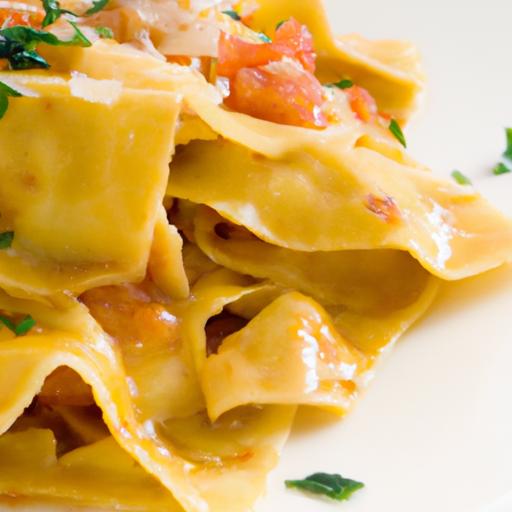

There’s something unmistakably inviting about pappardelle-the broad, ribbon-like strands of pasta that effortlessly carry rich, hearty sauces and evoke the warmth of Italian countryside kitchens. Rooted in tradition yet versatile in modern culinary exploration, pappardelle offers more than just a meal; it invites a sensory journey through texture, flavor, and history.In this article, we delve into the origins, craftsmanship, and enduring appeal of this wide ribbon pasta, uncovering the stories and techniques that have made pappardelle a beloved staple on tables around the world.
Pappardelle is not just a pasta-it’s a celebration of wide, luscious ribbons that epitomize rustic Italian tradition. Originating from Tuscany, these broad noodles embody centuries of culinary craftsmanship, often evoking memories of countryside kitchens where fresh pasta was shaped by hand amid laughter and family gatherings. Thier generous width allows pappardelle to cradle hearty sauces, making every bite a harmonious blend of texture and flavor that’s unforgettable.
Prep and Cook Time
- Preparation: 25 minutes
- Cooking: 3-4 minutes
- Total Time: 30 minutes
Yield
Serves 4 people comfortably.
Difficulty Level
Medium – Requires some dough kneading and rolling skills but highly rewarding.
Ingredients
- 2 cups all-purpose flour, sifted
- 3 large eggs, at room temperature
- 1 tablespoon olive oil
- 1/2 teaspoon salt
- Extra flour, for dusting
- water as needed (optional, for dough consistency)
Instructions
- Prepare the dough: On a clean work surface, mound the flour and create a well at the center. Crack the eggs into the well,add olive oil and salt. Using a fork, gently beat the eggs while gradually incorporating the flour from the edges.
- Knead the dough: When the mixture comes together, start kneading with your hands for about 8-10 minutes, until the dough is smooth and elastic.If too dry, add a teaspoon of water at a time; if too sticky, dust lightly with flour.
- Rest the dough: Wrap the dough ball in plastic wrap and let it rest for 20 minutes at room temperature. This relaxes the gluten,making it easier to roll.
- Roll out the dough: Divide the dough into 2 portions. On a floured surface, roll each piece into a thin sheet (about 1/8 inch or 3 mm). Use a pasta machine if available, working through progressively thinner settings.
- Cut the ribbons: Dust the sheets with flour to prevent sticking. Fold the sheets loosely and slice into wide ribbons, about 3/4 to 1 inch (2-2.5 cm) wide.
- Unfold and dry slightly: Gently separate the ribbons and lay them flat or hang briefly to dry for 15 minutes before cooking.
- Cook the pappardelle: Bring a large pot of salted water to a boil. Add the pasta and cook for 3-4 minutes or until al dente, stirring gently to prevent sticking.
- Drain and serve immediately: Reserve a cup of pasta water and toss the pasta with your chosen sauce, adjusting consistency as needed.
Chef’s Notes
- For a richer dough, substitute 1 egg yolk for one whole egg.
- If you don’t have a rolling pin or pasta machine, use a sturdy bottle and take your time rolling thin sheets.
- To add a rustic touch, replace ¼ cup of all-purpose flour with semolina flour for extra bite and texture.
- Fresh pappardelle can be made ahead and dried on a rack; store in airtight containers for up to 2 days.
- Use pasta water-its starchiness helps emulsify sauces, giving the dish a luxurious finish.
serving Suggestions
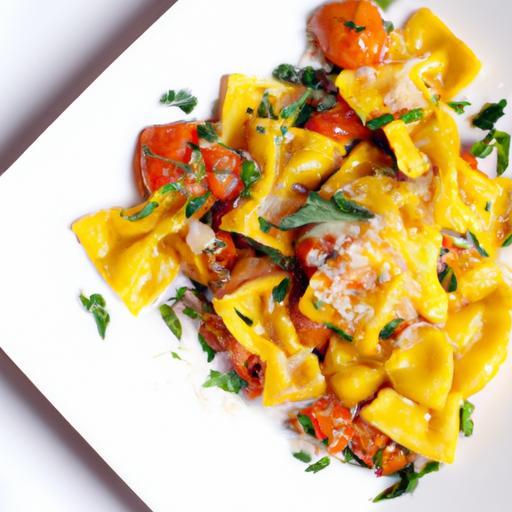
Pappardelle shines when paired with hearty, slow-cooked sauces. classic combinations include rich wild boar ragù, creamy mushroom sauces, or braised short ribs. Garnish with freshly grated Parmigiano-Reggiano, a sprinkle of chopped fresh herbs like sage or flat-leaf parsley, and a drizzle of quality extra-virgin olive oil to heighten flavor and presentation.For a touch of freshness, serve alongside a crisp green salad and a robust glass of Tuscan red wine.

| Nutrient | Per Serving |
|---|---|
| Calories | 320 kcal |
| Protein | 11 g |
| Carbohydrates | 58 g |
| Fat | 4 g |
For a deeper dive into pairing pappardelle with authentic Italian sauces, explore our guide to Italian sauces. To learn more about the history of pasta in Italian culinary heritage, this Britannica article on Italian pasta offers excellent insights.
Q&A
Q&A: Pappardelle – Exploring the Wide Ribbon Pasta Tradition
Q: What exactly is pappardelle?
A: Pappardelle is a type of Italian pasta characterized by its wide, flat ribbons. typically about 2 to 3 centimeters in width, these pasta “ribbons” are broader than fettuccine or tagliatelle, making them perfect for hearty sauces and rich, rustic dishes.
Q: Where does pappardelle originate from?
A: Pappardelle hails from the Tuscany region of italy, a place known for its robust culinary traditions. The pasta’s broad shape is thought to complement the thick, meaty ragùs typical of Tuscan cuisine, marrying texture and flavor in a uniquely satisfying way.
Q: How is pappardelle traditionally made?
A: Traditionally, pappardelle is made from simple ingredients-flour and eggs-rolled thin and cut into wide strips. Artisanal methods frequently enough involve hand-rolling and careful cutting to ensure each ribbon has just the right balance of tenderness and bite.
Q: What dishes feature pappardelle most prominently?
A: The pasta shines most when paired with rich and rustic sauces. Classic dishes include pappardelle al cinghiale, with wild boar ragù, or pappardelle with mushroom and cream sauces. its substantial width helps to hold chunky meats, vegetables, and thick sauces beautifully.
Q: How does pappardelle differ from other ribbon pastas like fettuccine or tagliatelle?
A: While fettuccine and tagliatelle are both ribbon pastas, they are narrower-usually around 0.6 to 1 centimeter wide. Pappardelle’s generous width allows it to stand up to heartier sauces, giving it a more rustic feel and a chewier texture that can absorb flavors differently.
Q: Can pappardelle be used in modern or non-traditional recipes?
A: Absolutely.While steeped in tradition, pappardelle’s versatility has inspired contemporary chefs and home cooks alike. It works well with lighter sauces, seafood, or even in pasta bakes. The wide noodles bring a rustic charm to any dish, balancing innovation with heritage.Q: Is fresh or dried pappardelle better?
A: Both have their merits.Fresh pappardelle offers a tender texture and absorbs sauces beautifully,ideal for delicate preparations. Dried pappardelle is convenient, has a firmer bite, and is excellent for heartier ragùs. The choice frequently enough depends on the dish and cooking context.
Q: What makes pappardelle a unique pasta experience?
A: Pappardelle’s wide, sturdy ribbons invite diners to savor each bite slowly, embracing the tradition of hearty Italian dining. Its ability to cradle rich sauces while maintaining a satisfyingly chewy texture makes it a pasta that embodies warmth, comfort, and culinary history in every forkful.
Insights and Conclusions
In the world of pasta,pappardelle stands out not just for its generous width but for the stories it carries-of rustic kitchens,hearty sauces,and timeless Italian traditions. As broad as the ribbons themselves, this pasta invites both cooks and diners to slow down and savor each bite, weaving together simplicity and richness in every strand. Whether fresh or dried, paired with a robust ragù or a delicate mushroom sauce, pappardelle continues to celebrate the art of pasta-making, honoring a tradition that’s as wide-ranging as the ribbons that define it. In exploring pappardelle, we uncover not just a dish, but a flavorful thread connecting past and present on the tapestry of Italian cuisine.