
In the world of desserts,few treats capture the delicate balance of simplicity adn elegance quite like Kasutera cake. Originating from Japan but inspired by Portuguese traders centuries ago, this soft, honey-sweetened sponge cake has become a beloved staple in Japanese confectionery. Its light texture and subtle sweetness make it an inviting canvas for both novice bakers and seasoned sweet enthusiasts alike. Mastering Kasutera cake offers not just a taste of history, but an opportunity to create a timeless dessert that is as comforting as it is refined. Whether enjoyed wiht a cup of tea or given as a thoughtful gift, this humble cake promises a slice of sweetness that is both familiar and uniquely delightful.
Mastering kasutera cake begins with understanding its rich origins and the subtle balance of ingredients needed to create this iconic Japanese sponge cake. Originally introduced by Portuguese missionaries in the 16th century, Kasutera-also known as Castella-is a symbol of cross-cultural history, cherished in Japan for its simplicity and melt-in-the-mouth texture. Each slice carries a story of tradition, patience, and artistry, inviting you not just to bake a cake but to savor a piece of history.
Prep and Cook Time
- Preparation: 20 minutes
- Baking: 50 minutes
- Total Time: 1 hour 10 minutes
Yield
One 8-inch loaf cake, serving approximately 8 to 10 slices
Difficulty Level
Medium – requires careful mixing and baking techniques to achieve perfect texture
Ingredients
- 4 large eggs, at room temperature
- 1 cup (200g) granulated sugar
- 1 cup (125g) bread flour, sifted
- 2 tbsp honey, diluted with 1 tbsp warm water
- 2 tbsp milk, at room temperature
- 1 tbsp unsalted butter, melted
Step-by-Step Techniques for baking a Moist and Fluffy Kasutera
- preheat your oven to 320°F (160°C). Line an 8-inch loaf pan with parchment paper for easy removal and a smooth cake surface.
- Separate the eggs, placing the yolks in one bowl and whites in another. Beat the egg whites with an electric mixer until soft peaks form.
- Gradually add sugar to the egg whites while continuing to beat until stiff, glossy peaks develop. This meringue base is critical for a fluffy texture.
- whisk the egg yolks lightly, then fold gently into the meringue, being cautious not to deflate the mixture.
- Combine the sifted bread flour in two batches,folding delicately using a spatula. The goal is to incorporate flour without losing air.
- Mix honey, milk, and melted butter thoroughly, then fold this mixture into the batter for a moist crumb and subtle sweetness.
- Pour the batter into the prepared pan, smoothing the top. Tap gently on the counter to release large air bubbles.
- Bake for 50 minutes,rotating the pan halfway through for even browning. the cake should be golden brown on top with a springy center.
- Remove from oven and promptly invert the pan to cool upside down. this prevents the cake from shrinking and keeps its airy texture intact.
- Once cooled, unwrap and slice neatly. Kasutera is best enjoyed fresh or wrapped airtight overnight to deepen flavor and softness.
Tips for Customizing Flavors and Presentation to Suit Your Taste
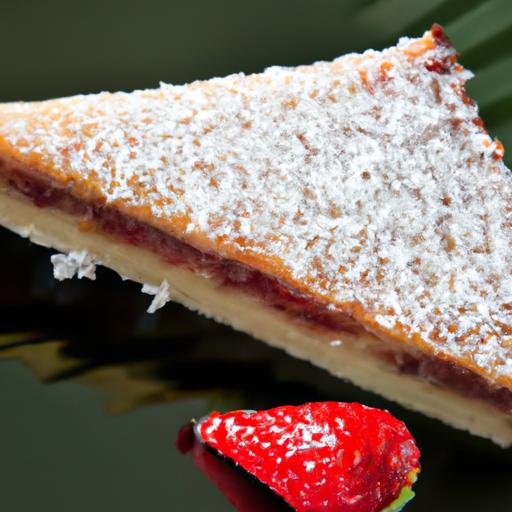
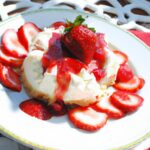
Feel free to experiment with the classic Kasutera by incorporating subtle flavors like matcha powder, yuzu zest, or a touch of vanilla extract into the batter. For a modern presentation, slice the cake into even rectangles and dust with powdered sugar or serve alongside fresh berries and whipped cream. wrapping slices individually in parchment paper tied with a ribbon creates an elegant gift or party favor.The beauty of mastering Kasutera cake lies in its versatility-simple ingredients transform into a luxurious treat tailored to your palate.
Chef’s Notes and Tips for Success
- Room Temperature Eggs: Ensure eggs are at room temperature to achieve optimal volume when whipping.
- sifting Flour: Sift bread flour twice to prevent lumps and enhance light crumb development.
- Folding Technique: Use a gentle “cut-and-fold” method with a rubber spatula to retain air bubbles essential for fluffiness.
- Honey Substitute: Maple syrup or golden syrup can substitute honey but slightly alter flavor and moisture.
- Storage: Kasutera stores well in an airtight container at room temperature for up to 3 days or refrigerate for longer freshness.
- prevent Dryness: Avoid overbaking; check doneness with a toothpick inserted-it should come out clean but with no dry crumbs.
Serving suggestions
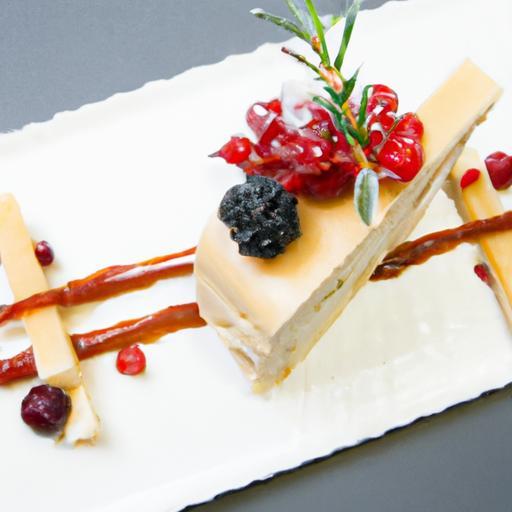
Serve slices of Kasutera with a warm cup of green tea or matcha latte to balance the cake’s gentle sweetness. For a special occasion, drizzle a simple caramel sauce or layer with whipped cream and fresh fruit.A dusting of matcha or cocoa powder adds visual flair and complexity without overwhelming the delicate flavor. Presentation is key-consider elegant, minimalist plating to showcase the cake’s smooth surface and fine crumb.

| Nutrient | Per Serving (1 slice) |
|---|---|
| Calories | 180 kcal |
| Protein | 4 g |
| Carbohydrates | 28 g |
| Fat | 5 g |
For more tasty Japanese desserts,check out our guide on traditional mochi recipes. To deepen your understanding of Kasutera’s Portuguese roots, visit Japan Travel’s past overview.
Q&A
Q&A: Mastering Kasutera Cake – A Simple, Sweet Japanese Treat
Q: What exactly is Kasutera cake?
A: Kasutera (or Castella) is a traditional Japanese sponge cake known for its light, airy texture and subtle sweetness. Originally brought to Japan by Portuguese traders in the 16th century, it has as become a beloved treat throughout the country, frequently enough enjoyed with tea or as a special gift.
Q: What makes Kasutera different from other sponge cakes?
A: Unlike many Western sponge cakes, Kasutera uses a minimal ingredient list-usually just flour, sugar, eggs, and starch syrup-and is baked slowly at a low temperature. This method creates a moist, finely textured cake with a delicate sweetness and a characteristic golden-brown top crust.
Q: Is Kasutera difficult to make at home?
A: With some patience and attention to detail, Kasutera can be a surprisingly approachable bake. The key challenges are achieving the perfect batter consistency and maintaining an even baking temperature to create the signature smooth, dense crumb. But with practice,it is indeed well within reach for home bakers.
Q: What equipment do I need to bake Kasutera?
A: Traditionally, Kasutera is baked in a rectangular wooden mold, but a loaf pan or a small rectangular cake pan will work just fine. A good electric mixer helps to whip the eggs thoroughly, and an oven that holds a steady low temperature is ideal.
Q: Can kasutera be flavored or varied?
A: Absolutely. While the classic version highlights simplicity, modern variations sometimes incorporate matcha (green tea), honey, or brown sugar for extra depth. However, the essence of Kasutera lies in its gentle sweetness and fine texture, so subtle flavor additions are usually best.
Q: How should Kasutera be served and stored?
A: Kasutera is often sliced into thick, rectangular pieces and enjoyed with a cup of green tea or coffee. It stores well in an airtight container at room temperature for a few days, where its texture actually improves as flavors mellow and the crumb softens.
Q: Why has Kasutera remained so popular in Japan?
A: Kasutera’s enduring appeal comes from its nostalgic association with hospitality and festivity, as well as its comforting simplicity. It’s a treat that bridges cultural history and everyday enjoyment-sweet, refined, and delightfully straightforward.
Q: Any tips for first-time Kasutera bakers?
A: Focus on beating the eggs to the right volume and folding in the flour gently to retain air. Bake slowly at a lower temperature,resist opening the oven door too often,and allow the cake to cool fully before slicing. Most importantly, savor the process-the beauty of Kasutera is in its humble perfection.
Wrapping Up
Whether you’re a seasoned baker or a curious newcomer, mastering Kasutera cake offers a delightful journey into the heart of japanese confectionery. Its simple ingredients and gentle sweetness invite patience and precision, rewarding you with a sponge that’s both tender and rich in history. So, next time you crave a slice of tradition wrapped in a whisper of honey, remember: Kasutera isn’t just cake-it’s a sweet story waiting to unfold in your own kitchen.