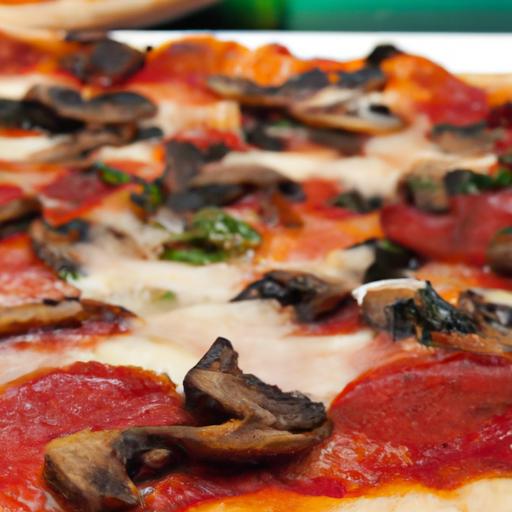

In the bustling streets of New York City, where cultures collide and flavors intertwine, one culinary icon stands out with timeless appeal: New York-style pizza. More than just a swift meal or a late-night snack, this pizza is a carefully crafted tradition, a harmonious blend of crisp crust, tangy tomato sauce, and melty cheese that tells a story with every slice. Rooted in immigrant heritage and perfected through decades of practise, New York-style pizza embodies a unique artistry-simple in ingredients yet complex in technique. This article delves into the enduring legacy and subtle craft behind each foldable slice, exploring how tradition continues to shape one of AmericaS most beloved foods.
Origins and evolution of New York-Style Pizza
The Art of New York-Style Pizza: Tradition on Every slice begins with understanding its rich history. Born from the influx of Italian immigrants in the early 20th century, new York-style pizza emerged as a testament to cultural fusion and innovation.Unlike its Neapolitan ancestors, this pizza evolved to suit the fast-paced lifestyle of New Yorkers hungry for a quick yet satisfying meal. Its iconic large, thin, and foldable slices have become synonymous with the city itself-each bite tells a story of bustling streets and neighborhood pizzerias where sauce, cheese, and dough marry perfectly. This culinary evolution continues today as artisans honor tradition while experimenting with modern flavor profiles.
Prep and Cook Time
- Planning: 2 hours (including dough fermentation)
- cooking: 12-15 minutes
- Total Time: Approximately 2 hours 15 minutes
Yield
1 large 16-inch pizza (serves 3-4 people)
Difficulty Level
Medium
Ingredients
- 2 ½ cups all-purpose flour, sifted
- 1 tsp sugar
- 1 tsp salt
- 1 tsp instant dry yeast
- 1 cup warm water (105°F – 110°F)
- 2 tbsp olive oil, plus extra for greasing
- 1 cup crushed San Marzano tomatoes (or high-quality canned tomatoes)
- 2 cloves garlic, minced
- 1 tsp dried oregano
- 8 oz low-moisture whole milk mozzarella, shredded
- Fresh basil leaves (optional, for garnish)
- Grated Parmesan cheese (optional)
- Red pepper flakes (optional, for serving)
Instructions
- Prepare the dough: In a large mixing bowl, combine warm water, sugar, and yeast. Stir gently and let it activate for about 5 minutes until frothy.
- Add flour and salt to the yeast mixture. Slowly pour in olive oil while mixing with your hand or a wooden spoon until a shaggy dough forms.
- Transfer dough onto a floured surface. Knead for 8-10 minutes until smooth and elastic. A well-kneaded dough is key to achieving the signature chewy yet tender texture.
- Lightly grease a bowl with olive oil, place the dough inside, cover with a damp towel or plastic wrap, and let it rise in a warm place for 1.5 to 2 hours, or until doubled in size.
- While the dough rises, prepare the sauce by combining crushed tomatoes, minced garlic, and oregano in a small bowl. Let the flavors meld at room temperature.
- Preheat your oven to its highest setting (usually 500°F) and place a pizza stone or inverted baking sheet inside to heat up.
- Once risen, punch down the dough gently and stretch it onto a lightly floured pizza peel or parchment paper, shaping a thin, round 16-inch base with slightly thicker edges to hold toppings.
- Spread a thin layer of the prepared tomato sauce evenly over the dough, leaving a small border around the edge.
- Generously sprinkle shredded mozzarella across the sauce, ensuring even coverage but avoiding overloading to maintain that perfect balance of melt and bite.
- Slide the pizza onto the preheated stone or baking sheet. Bake for 12-15 minutes until the crust is golden with charred spots, and cheese is bubbling and slightly caramelized.
- Remove from oven and let rest for 2 minutes before slicing. Garnish with fresh basil leaves and a sprinkle of Parmesan or red pepper flakes if desired.
Tips for Success
- Hydration matters: A slightly higher water content in the dough (about 60% hydration) promotes a more springy, authentic crumb.
- Cold fermentation: For an even richer flavor, refrigerate the dough overnight after the initial rise. Bring to room temperature before shaping.
- Sauce consistency: Avoid watery sauce by draining excess liquid from canned tomatoes or simmering the sauce gently if needed.
- Cheese choice: Use low-moisture mozzarella for that perfect melt and classic texture; fresh mozzarella often makes the pizza too wet.
- Oven heat tips: If no pizza stone is available, use a heavy cast-iron pan or thick baking sheet preheated to ensure a crisp crust.
- Make ahead: Dough can be stored in the fridge up to 3 days or frozen for 1 month. Thaw overnight and allow to rise before baking.
Serving suggestions
Serve slices folded in half for that authentic new York experience. Pair with a crisp green salad dressed lightly with lemon and olive oil to balance the pizza’s richness. Add a drizzle of extra virgin olive oil and a pinch of freshly cracked black pepper on top for an elevated finish. To complement the flavors, offer a glass of cold lager or a robust red wine like Chianti.

| Nutrient | Per Serving (1/4 pizza) |
|---|---|
| Calories | 320 kcal |
| Protein | 14 g |
| carbohydrates | 38 g |
| Fat | 10 g |
For those craving to dive deeper into pizza techniques, explore our Guide to Perfect Pizza Sauces. To understand the science behind your dough’s rise, check out this King Arthur Baking guide.
Q&A
Q&A: The Art of New York-Style Pizza: Tradition on Every Slice
Q1: What defines New york-style pizza and sets it apart from other types?
A1: new york-style pizza is recognized for its large, thin, and foldable slices with a crisp yet chewy crust. Unlike thicker, heavily topped pizzas, it emphasizes simplicity and balance-typically featuring a light layer of tomato sauce, shredded low-moisture mozzarella, and a subtle dusting of cornmeal on the crust. This style captures the essence of street food culture,designed to be eaten on the go.
Q2: How did new York-style pizza originate?
A2: The roots of new York-style pizza can be traced back to Italian immigrants who arrived in New York City in the early 20th century.They adapted customary Neapolitan pizza recipes using local ingredients and baking styles. Over time, the pizza evolved to suit the fast-paced urban lifestyle, becoming an affordable and beloved staple for city dwellers.
Q3: What role does tradition play in crafting an authentic New York slice?
A3: Tradition is vital. From the specific dough preparation-often involving high-gluten flour and a long fermentation process-to the high-temperature deck ovens that produce the signature crust,every step honors the craft passed down through generations. Even the simplicity of toppings is a nod to tradition, emphasizing quality over quantity.
Q4: Why is the foldability of the slice so crucial?
A4: The fold is not just a quirky habit but a functional art form. Folding a New York slice lengthwise allows for easier handling and eating without utensils, perfectly suited to the city’s fast-moving streets.This practicality has become an iconic characteristic that pizza lovers associate with authenticity.
Q5: Can a New York-style pizza be made outside New York?
A5: While replicating the exact texture and flavor can be challenging due to water composition and oven types, skilled pizzaiolos worldwide strive to honor the tradition by using similar techniques and ingredients. However, purists argue that the authentic experience is tied to NYC’s unique environment-the “water factor” often cited as a subtle yet crucial element.
Q6: How has New york-style pizza influenced global pizza culture?
A6: New York-style pizza has inspired countless pizzerias worldwide, from artisanal establishments to fast-food chains. Its emphasis on simplicity, quality, and portability has reshaped how people perceive and enjoy pizza. This style bridges street food accessibility with craft, becoming a symbol of both culinary tradition and urban innovation.
Q7: What should a first-time eater look for to identify a true New York slice?
A7: Look for a large, thin slice with a slightly charred and crisp crust that’s firm yet pliable enough to fold. The sauce should be radiant and balanced-not overly sweet-and the cheese melted evenly with hints of golden browning. The slice should feel ample but not heavy, inviting a quick, flavorful bite.
Q8: How do pizzerias maintain tradition while innovating in their recipes?
A8: Many shops balance respect for classic methods with contemporary twists-introducing house-made sauces, local artisanal cheeses, or creative toppings. Yet, they maintain core principles like dough preparation and baking techniques.This blend of tradition and innovation keeps the New York slice both timeless and dynamic.
This Q&A explores the craftsmanship, history, and cultural significance behind every iconic New York-style pizza slice, shining a light on how tradition endures in each bite.
Closing Remarks
From the first foldable slice to the last lingering crumb, New York-style pizza is more than just food-it’s a culinary tradition that embodies the city’s vibrant spirit and timeless craft. Each pie tells a story of heritage, passion, and the simple magic that turns dough, sauce, and cheese into an iconic experience. Whether you’re a lifelong New Yorker or a curious visitor, savoring this art form offers a flavorful connection to a culture that celebrates both innovation and tradition, one perfect slice at a time.