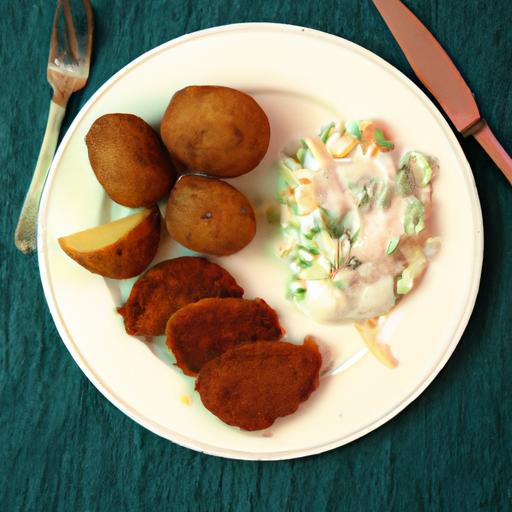

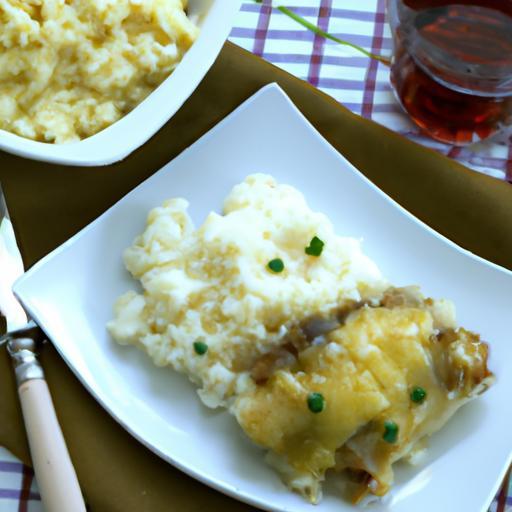
In an age where culinary trends ofen lean toward extravagant ingredients and elaborate preparations, there’s a quiet allure in turning back the clock to simpler times. The Depression Era, marked by hardship and scarcity, gave rise to a repertoire of recipes that were as inventive as they were nourishing. these frugal feasts-rooted in resourcefulness and thrift-offer more then just meals; they provide a glimpse into history and a fresh outlook on mindful cooking. Revisiting these timeless recipes not only honors the past but also invites us to embrace creativity and economy in the kitchen today.
Frugal feasts are not just a nod to the past-they are a party of ingenuity,flavor,and the beauty of simplicity. By embracing resourcefulness in the kitchen, we tap into timeless Depression-era staples that sustained families during difficult times, yet continue to inspire modern cooks today. These dishes make the most of budget-friendly ingredients, transforming humble pantry finds into comforting, flavorful meals that stretch without sacrificing taste.
Prep and Cook Time
- Preparation: 15 minutes
- Cooking: 45 minutes
- Total Time: 1 hour
Yield
Serves 6 generously
Difficulty level
Easy to Medium
Ingredients
- 1 cup dried pinto beans, soaked overnight and drained
- 1 medium onion, finely chopped
- 2 cloves garlic, minced
- 1 tsp smoked paprika
- 1/2 tsp ground cumin
- 4 cups low-sodium vegetable broth
- 2 medium potatoes, peeled and diced
- 1 cup shredded sharp cheddar cheese (optional)
- Salt and freshly ground black pepper, to taste
- 2 tbsp vegetable oil or rendered bacon fat for extra depth
- Fresh parsley or chives, chopped, for garnish
- 1 slice sturdy whole wheat bread for serving (optional)
Instructions
- Heat the oil in a large heavy-bottomed pot over medium heat. Add the finely chopped onion and sauté until translucent, about 5 minutes, stirring occasionally to avoid browning.
- Add the minced garlic,smoked paprika,and cumin. Stir for 1 minute to awaken the spices and release their aroma.
- Pour in the soaked pinto beans and vegetable broth. Bring the mixture to a boil, then reduce heat and simmer gently.
- Add the diced potatoes after 20 minutes of simmering. Continue cooking the soup for another 25-30 minutes, or until the beans and potatoes are tender.
- Using a potato masher, gently mash part of the soup to thicken the texture without losing the rustic appeal.
- Season with salt and black pepper to taste. For an optional creamy twist, stir in the shredded cheddar cheese until melted evenly.
- Serve hot,garnished with freshly chopped parsley or chives,alongside toasted whole wheat bread.
Tips for Success
- Soaking the beans overnight drastically reduces cooking time and improves digestibility.
- for a smoky upgrade, substitute the vegetable broth with homemade or store-bought smoked vegetable or beef broth.
- Leftover mashed potato works perfectly here-waste not, wont not.
- If you prefer a smoother consistency, blend half the soup and mix back in for added creaminess without cream.
- This recipe is excellent for make-ahead meals. Refrigerate for up to 3 days or freeze in portions for up to 3 months.
Serving Suggestions
To present this comforting bean and potato stew as a centerpiece, ladle into deep bowls and finish with a drizzle of extra virgin olive oil or a spoonful of sour cream for balance. Crispy croutons or toasted whole wheat bread rounds bring textural contrast, while a sprinkle of fresh herbs adds a shining pop of color. Pair with a simple green salad dressed lightly with vinegar for a refreshing counterpoint.

| Nutrient | Per serving |
|---|---|
| Calories | 280 |
| Protein | 15g |
| Carbohydrates | 40g |
| Fat | 5g |
For further inspiration on how to transform simple recipes into nourishing meals,explore our Budget-Friendly dinners Collection. To understand the historical foundation of these staples, check out the fascinating archives on the History Channel’s Depression-Era Food history.
Q&A
Q&A: Frugal Feasts – Timeless Depression-Era Recipes for Today
Q1: What inspired the revival of Depression-era recipes in modern cooking?
A1: the Great Depression challenged families to create nourishing meals with minimal and inexpensive ingredients. Today, as many seek sustainable, budget-friendly cooking, these recipes offer a glimpse into resourcefulness and simplicity, proving that hearty, satisfying food doesn’t have to break the bank.
Q2: How do Depression-era recipes differ from contemporary meals?
A2: Depression-era recipes emphasize stretching limited ingredients,often using staples like beans,potatoes,oats,and simple vegetables. They minimize waste and rely on clever substitutions, making meals filling without rich or exotic components common in today’s cuisine.
Q3: Can these recipes fit into modern dietary preferences?
A3: Absolutely. While the original recipes reflect the era’s limitations, many can be easily adapted to suit vegetarian, vegan, or gluten-free diets by swapping out certain ingredients. Their fundamental focus on whole foods and minimal processing aligns well with current nutritional ideals.
Q4: What are some iconic Depression-era dishes featured in this collection?
A4: Classics such as “Mock Apple Pie” (using crackers instead of apples), “Eggless Chocolate Cake,” and meatless stews showcase ingenuity. These dishes highlight how creativity transformed pantry staples into comforting meals.
Q5: How can cooking Depression-era recipes benefit today’s home cooks?
A5: Beyond budgeting, these recipes encourage mindfulness-shopping with intention, reducing food waste, and appreciating simple flavors. They also offer a historical connection, reminding us of resilience and innovation during tough times.
Q6: Are there any tips for adapting these old recipes for today’s kitchens?
A6: Yes. Modern kitchens have gadgets and ingredients that can streamline preparations-slow cookers for stews, whole grain flours for baking, or fresh herbs for added flavor. Also, consider boosting nutritional value by incorporating seasonal produce alongside conventional staples.
Q7: How do these recipes contribute to sustainable cooking practices?
A7: waste reduction is central to Depression-era cooking. By using every bit of ingredients,repurposing leftovers,and focusing on plant-based meals,these recipes naturally align with sustainability goals,making them especially relevant for environmentally conscious cooks.
Q8: Where can readers find reliable Depression-era recipes to try at home?
A8: many cookbooks and archives specialize in historical recipes, but collections that update instructions and ingredients for modern use are notably helpful. look for resources that blend authenticity with practicality, ensuring a pleasant cooking experience.
This Q&A aims to illuminate how timeless frugality in the kitchen not only honors the past but enriches today’s culinary landscape with simple, meaningful meals.
In Summary
As we close the chapter on these frugal feasts,it becomes clear that the wisdom of Depression-era cooking extends far beyond mere survival.these timeless recipes remind us that creativity, resourcefulness, and simplicity can transform humble ingredients into nourishing meals that satisfy both body and soul. In today’s world of abundance, embracing the lessons of the past offers not only a way to stretch our budgets but also a deeper thankfulness for the art of making more with less-proof that good food need not be extravagant to be truly enriching.