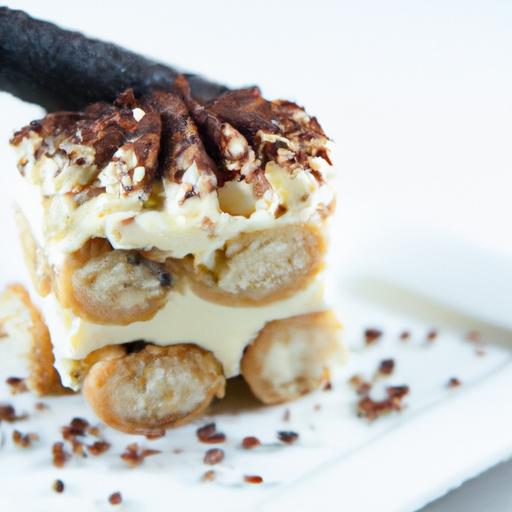

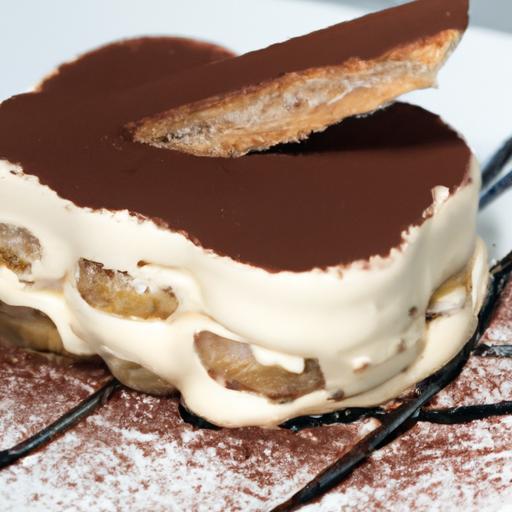
In the rich tapestry of Italian cuisine, few desserts evoke as much warmth and admiration as tiramisu. This beloved treat, with its layers of espresso-soaked ladyfingers, creamy mascarpone, and a dusting of cocoa, has transcended borders to become a symbol of indulgence and tradition. “Tiramisu Unveiled: A Timeless italian dessert Delight” invites readers to explore the origins, ingredients, and enduring appeal of this iconic dessert, revealing the story behind each luscious forkful that continues to captivate palates around the world.
Tiramisu Unveiled: A Timeless Italian Dessert Delight begins with an exquisite harmony of creamy mascarpone, bold espresso-soaked ladyfingers, and a dusting of rich cocoa that has captivated dessert lovers for centuries. This iconic Italian treasure not only tells a story of tradition but invites every home cook to master a recipe that is both elegant and approachable. From its debated beginnings in Veneto to the classic recipe beloved worldwide today, tiramisu embodies the perfect balance of texture and flavor that continues to evolve in kitchens across the globe.
Prep and Cook Time
- Planning: 25 minutes
- Chilling Time: 4 hours (recommended for best flavor)
- Total Time: 4 hours 25 minutes
Yield
Serves 8 generous portions.
Difficulty Level
Medium – No baking required but precise layering and chilling are essential.
Essential Ingredients That Define the Classic Tiramisu Experience
- 6 large egg yolks, at room temperature
- 3/4 cup granulated sugar
- 1 cup mascarpone cheese, softened
- 1 1/4 cups heavy cream, chilled
- 1 1/2 cups strong espresso, cooled
- 2 tbsp coffee liqueur (optional, such as Kahlúa or Marsala wine)
- 24-28 ladyfinger cookies (savoiardi)
- Unsweetened cocoa powder, for dusting
- Dark chocolate shavings (optional, for garnish)
Step by Step Guide to Crafting the Perfect Tiramisu at Home
- prepare the egg yolk mixture: In a heatproof bowl over simmering water (double boiler), whisk together the egg yolks and sugar until pale and slightly thickened, about 5-7 minutes. Remove from heat and allow to cool slightly.
- Incorporate mascarpone: Gently fold the softened mascarpone into the cooled egg yolk mixture until smooth and creamy.
- Whip the cream: Using an electric mixer, whip the chilled heavy cream until stiff peaks form. carefully fold the whipped cream into the mascarpone mixture to maintain airiness and light texture.
- Mix espresso and liqueur: Combine the cooled espresso with coffee liqueur in a shallow dish ideal for dipping the ladyfingers. This mixture will infuse the spongy cookies with bold coffee flavor.
- Dip and layer ladyfingers: Quickly dip each ladyfinger into the espresso mixture, soaking for no longer than 2 seconds to prevent sogginess.Arrange a single layer in your chosen dish (approx. 9×13 inch recommended).
- Layer with mascarpone cream: Spread half of the mascarpone cream evenly over the soaked ladyfingers. Repeat the process with a second layer of dipped ladyfingers followed by the remaining mascarpone cream.
- Chill to set: Cover and refrigerate for at least 4 hours, allowing flavors to meld and the dessert to firm up beautifully.
- Final touch: Just before serving, dust generously with unsweetened cocoa powder and garnish with dark chocolate shavings for an added touch of elegance.
Chef’s Notes and Tips for Success
- Egg safety: Use the freshest eggs or pasteurized eggs to ensure safety since this recipe uses raw yolks.
- Espresso strength: Brew strong, freshly made espresso. Instant coffee substitutes work in a pinch but won’t deliver the same depth.
- Ladyfinger dipping: Avoid soaking ladyfingers too long; they should be moist but not falling apart.
- Make ahead: Tiramisu actually improves with time, so assemble a day in advance to let flavors intensify.
- Variations: Swap coffee liqueur for amaretto or omit alcohol for a family-friendly version.
- texture tip: Folding whipped cream gently is key to keeping the dessert light and fluffy – don’t overmix.
innovative Twists and Serving Suggestions to Elevate Your Tiramisu
while the classic tiramisu remains a timeless standard, adding creative variations can delight your guests and refresh this beloved dessert. For a fruity upgrade, layer fresh raspberries or sliced strawberries between the mascarpone cream and ladyfingers. For chocolate lovers, incorporate a layer of ganache or use chocolate-dipped ladyfingers. Alternatively, swapping espresso for chai tea or matcha powder in the dipping liquid offers exciting new flavor profiles.
Serve tiramisu in individual glass parfaits showcasing the beatiful layers – a visual feast as much as a taste sensation. Accompany with a lightly whipped cream dollop and an espresso shot to deepen the indulgence. A sprinkling of toasted nuts or candied orange zest can also bring a vibrant crunch and aroma to every bite.
| nutrient | per Serving |
|---|---|
| Calories | 420 kcal |
| Protein | 6 g |
| Carbohydrates | 34 g |
| Fat | 28 g |

For more tips on Italian desserts, check out our Comprehensive Guide to Classic Italian Desserts. To dive deeper into the history of tiramisu, the Encyclopedia Britannica offers an authoritative exploration of its origins and cultural significance.
Q&A
Q&A: Tiramisu unveiled: A Timeless Italian Dessert Delight
Q1: What exactly is tiramisu?
A1: Tiramisu is a classic Italian dessert known for its layered composition of coffee-soaked ladyfinger biscuits, creamy mascarpone cheese mixture, and a dusting of cocoa powder. its name literally means “pick me up,” hinting at the uplifting flavors of espresso balanced with sweet, velvety textures.
Q2: Where and when did tiramisu originate?
A2: While the precise origins are somewhat debated, tiramisu is widely believed to have been created in the Veneto region of Italy during the 1960s or 1970s. It quickly gained popularity for its elegant simplicity and rich taste, becoming a staple in Italian cuisine and beyond.
Q3: What are the key ingredients that make tiramisu unique?
A3: The hallmark ingredients include ladyfingers (savoiardi), espresso or strong coffee, mascarpone cheese, eggs, sugar, and cocoa powder. Occasionally, a splash of coffee liqueur such as Marsala or Kahlúa is added to deepen the complexity of flavors.
Q4: How does tiramisu differ from othre layered desserts?
A4: Unlike many layered desserts that rely on cakes or custards, tiramisu’s distinct bitterness from espresso and the creamy richness of mascarpone create a harmonious balance of bold and subtle tastes. Its texture contrasts-light, airy cream against slightly crisp, coffee-infused ladyfingers-make it uniquely delightful.
Q5: Is tiramisu traditionally served cold or warm?
A5: Tiramisu is traditionally served chilled. Resting the dessert in the refrigerator for several hours allows the flavors to meld beautifully and the ladyfingers to soften into a delicate, cake-like consistency.
Q6: Are there modern variations of tiramisu?
A6: Absolutely! Contemporary chefs experiment with ingredients like matcha, berries, chocolate, or even tropical fruits. some versions swap out the coffee for other flavor bases or replace conventional mascarpone with alternatives like ricotta or cream cheese to suit dietary preferences.
Q7: Can tiramisu be made without raw eggs?
A7: yes. While traditional recipes use raw egg yolks for richness and texture, many modern adaptations use whipped cream or pasteurized eggs to ensure food safety without compromising the dessert’s signature creaminess.
Q8: What makes tiramisu a timeless dessert?
A8: Tiramisu’s timeless appeal lies in its perfect harmony of flavors, ease of preparation, and its ability to evoke a sense of Italian warmth and hospitality. It bridges generations as both a homey treat and a sophisticated finale to a special meal.Q9: How should tiramisu be stored?
A9: For best results, tiramisu should be kept refrigerated and consumed within 2-3 days. Proper storage preserves its delicate flavors and textures while maintaining food safety.
Q10: Can tiramisu be enjoyed by everyone?
A10: While most can enjoy tiramisu, traditional recipes contain caffeine and sometimes alcohol, which may not suit children, pregnant women, or those sensitive to these ingredients. Thankfully, numerous adaptations are available to accommodate different needs.
By exploring these questions, one can appreciate the intricate charm of tiramisu-a dessert that continues to captivate palates around the world, serving as both a comforting classic and an inspiring canvas for culinary creativity.
Future Outlook
As we close the chapter on tiramisu’s rich story, it’s clear that this classic Italian dessert is much more than the sum of its layers. From its intriguing origins to the velvety blend of coffee, mascarpone, and cocoa, tiramisu continues to captivate palates around the world. Whether enjoyed in a rustic trattoria or crafted at home with care, it remains a timeless symbol of indulgence and tradition. So, next time you take a bite, savor not just the flavors but the history and passion baked into every spoonful.