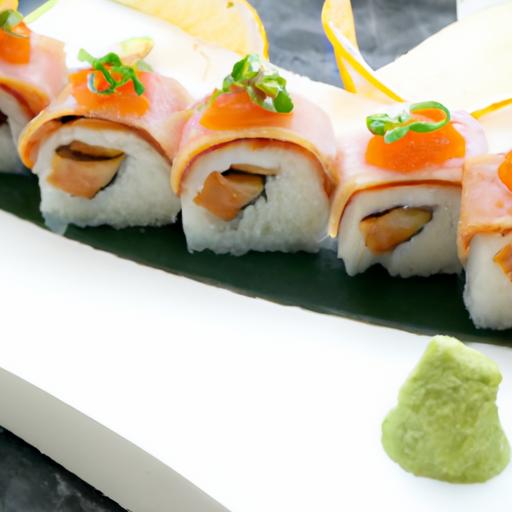

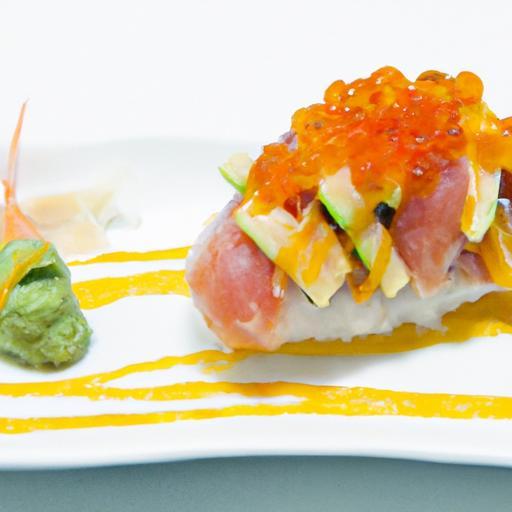
In the bustling heart of tokyo, where history intertwines seamlessly with modern life, Edomae sushi stands as a culinary testament too tradition and craftsmanship.More than just a meal, Edomae sushi is an art form-each piece thoughtfully prepared to honor centuries-old techniques while delivering a sublime taste experience.From the careful selection of fish to the precise balance of rice and seasoning, every bite tells a story of heritage and flavor. This article delves into the world of Edomae sushi, exploring how ancient practices continue to shape one of Japan’s most beloved dishes, inviting diners to savor not only its taste but the rich culture behind it.
edomae Sushi has firmly established itself as the epitome of Japan’s culinary finesse, embodying centuries of tradition that blend with the modern Tokyo dining scene. Originating in the Edo period, when fishermen delivered the freshest catch from Tokyo Bay (formerly Edo), this style of sushi captures the essence of “freshness and seasonality” unlike any other. The artistry behind Edomae Sushi lies not only in the pristine quality of its ingredients but also in the meticulous techniques passed down through generations, highlighting a deep respect for each element’s natural flavor.
Prep and Cook Time
- Readiness: 45 minutes
- Assembly and Cooking: 20 minutes
- Total Time: 1 hour 5 minutes
Yield
Serves 4 sushi enthusiasts (approximately 16-20 pieces).
Difficulty Level
Advanced: Requires skill in rice preparation, slicing fish, and mastering hand-rolling techniques.
Ingredients
- 2 cups Japanese short-grain sushi rice,rinsed and soaked for 30 minutes
- 2 1/2 cups water
- 1/3 cup rice vinegar
- 3 tbsp sugar
- 1 tbsp salt
- 200g fresh bluefin tuna (akami),sliced into thin blocks
- 150g fresh yellowtail (hamachi),thinly sliced
- 150g uni (sea urchin),fresh and chilled
- 6 sheets nori (seaweed),cut in half
- Wasabi paste,freshly grated if possible
- Soy sauce,for dipping
- Pickled ginger (gari),for palate cleansing
- Fresh shiso leaves,optional for garnish
Instructions
- Prepare the sushi rice: Drain the soaked rice and combine with 2 1/2 cups water in a rice cooker. Cook until the rice is tender and sticky, about 30 minutes.
- Make the sushi vinegar: While rice cooks, combine rice vinegar, sugar, and salt in a small saucepan. Heat gently until sugar dissolves; cool to room temperature.
- Season the rice: Transfer cooked rice to a wooden or plastic bowl. Slowly fold the sushi vinegar into the rice with a rice paddle, using a cutting motion to avoid mashing. Fan the rice simultaneously to cool and give it a shiny finish. Let it rest covered with a damp cloth.
- Prepare fish and toppings: Using a very sharp sushi knife, slice the tuna and yellowtail against the grain into pieces approximately 2 inches long and 1/2 inch thick. Keep the uni chilled until serving.
- Form the nigiri: With moist hands, take a small amount of sushi rice (about 20g) and shape into an oblong mound. Dab a tiny amount of wasabi onto the rice, then gently press a slice of fish atop the mound.
- Assemble hand rolls (optional): Place a half nori sheet, spread a thin layer of rice, add fish or uni, and roll tightly into a cone shape, sealing the edge with a little water.
- Serve immediately: Present the nigiri and hand rolls on a wooden platter garnished with shiso leaves and small piles of gari.Offer soy sauce for dipping but encourage tasting the sushi plain to appreciate its natural flavors.
Chef’s Notes
- For the ultimate Edomae sushi experience, seek out the freshest fish sourced daily, preferably from a trusted Japanese market or fishmonger.
- If uni is unavailable, substitute fresh scallops or simmered eel (anago) lightly brushed with sweet soy glaze.
- Mastery of rice texture is crucial; over-wetting your hands will make the rice sticky,so keep them just damp enough to handle the grains without crushing.
- Use a rice paddle or wooden spoon instead of metal to avoid damaging the delicate rice grains and altering the rice’s taste.
- Practice slicing fish with a long, sharp sashimi knife to ensure smooth cuts and ideal presentation.
Serving Suggestions
Serve Edomae Sushi alongside a cup of warm green tea or a chilled glass of dry sake. Complement the delicate flavors with a light soy sauce dip, but resist over-salting. Garnish your sushi platter with fresh shiso leaves and delicate strands of julienned daikon radish. Pair with a simple bowl of conventional miso soup for a balanced and authentic meal.

Nutritional Data (Per Serving)
| Nutrition | Amount |
|---|---|
| Calories | 280 kcal |
| protein | 26 g |
| Carbohydrates | 36 g |
| Fat | 4 g |
Discover more about the captivating world of Japanese culinary craftsmanship through Japan Guide’s past insight on sushi traditions, deepening your recognition for this timeless cuisine.
Q&A
Q&A: Edomae Sushi – Tradition Meets Taste in Every Bite
Q1: What exactly is Edomae sushi?
A: Edomae sushi is a style of sushi that originated in Tokyo (formerly known as Edo) during the early 19th century. The term “Edomae” literally means “in front of Edo,” referring to fish caught in Tokyo Bay. This sushi style emphasizes fresh, seasonal fish prepared with meticulous techniques, reflecting a centuries-old tradition that balances taste, texture, and presentation.
Q2: How does Edomae sushi differ from other types of sushi?
A: Unlike modern sushi varieties that sometimes prioritize innovation or fusion, Edomae sushi focuses on simplicity and authenticity. It typically features hand-pressed rice (nigiri) topped with fish that undergo specific preparations-such as marinating,curing,or simmering-to enhance flavor and texture while honoring time-tested recipes.
Q3: Why is tradition so significant to Edomae sushi?
A: Tradition is the cornerstone of Edomae sushi.the techniques passed down for generations ensure each bite carries the heritage of Edo’s culinary artistry. It’s not just about fresh ingredients but about respecting nature’s cycles and the precise craftsmanship of the sushi chef, turning dining into a cultural experience.
Q4: What role does taste play in Edomae sushi?
A: Every aspect of Edomae sushi is crafted to delight the palate.the balance between the slightly vinegared rice and the seasoned topping creates layers of umami that are subtle yet profound. This harmony is achieved through careful selection, preparation, and timing, allowing flavors to shine without overpowering one another.Q5: Can Edomae sushi be enjoyed outside Japan?
A: Absolutely. While deeply rooted in Tokyo’s local ingredients and culture, Edomae sushi’s principles-respect for tradition, ingredient quality, and balanced flavors-are worldwide. Many sushi chefs worldwide study these techniques to bring a genuine taste of Edo’s culinary legacy to their tables.
Q6: What is the best way to experience Edomae sushi?
A: To fully appreciate Edomae sushi, seek out chefs who specialize in this style, ideally in a traditional sushi bar setting. Engage with the chef, savor the seasonal fish offerings, and take your time to appreciate the delicate interplay of textures and tastes that make every bite a journey through history and flavor.
Key Takeaways
As the delicate flavors of Edomae sushi linger on the palate, we are reminded that this culinary tradition is far more than just a meal-it is indeed a living art form. Rooted in history yet vibrant with life in every carefully crafted bite, Edomae sushi invites us to savor the harmony of tradition and innovation. whether enjoyed in a bustling Tokyo market or a quiet corner of a neighborhood sushi bar, each piece tells a story that transcends time, offering a taste of Japan’s rich cultural heritage. In embracing Edomae, we celebrate not only the mastery of technique but also the timeless connection between past and present, all wrapped in a simple, exquisite morsel of flavor.