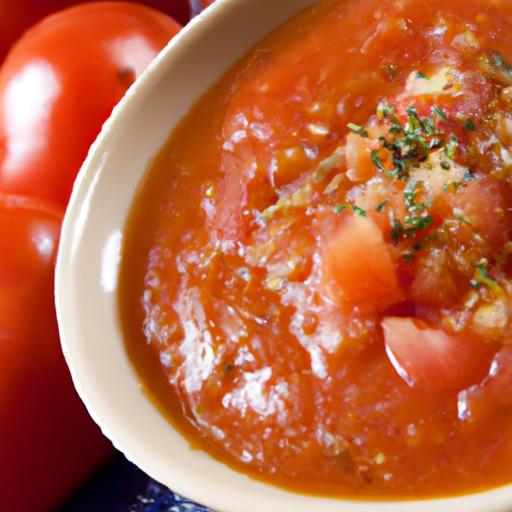

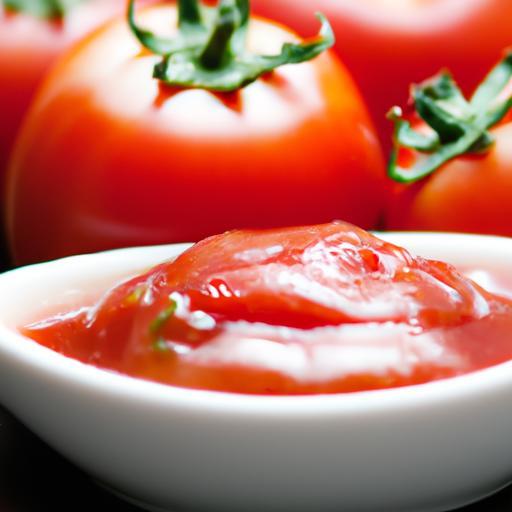
Tomatoes have long been celebrated for their vibrant flavor and versatility in the kitchen, transforming simple dishes into comforting classics. Mastering the art of big batch tomato sauce not only saves time but unlocks a world of culinary possibilities, from pasta and pizza to stews and casseroles. In this article, we’ll explore an easy and flavorful approach to creating a rich, homemade tomato sauce that you can prepare in large quantities-perfect for stocking your pantry and elevating everyday meals with minimal effort. Whether you’re a seasoned cook or just begining your kitchen journey, this guide will help you achieve a perfectly balanced sauce that’s both satisfying and practical.
Master the Art of Big Batch Tomato Sauce: Easy & Flavorful begins with selecting the finest tomatoes to create a sauce bursting with rich, vibrant flavors. The heart of any unforgettable tomato sauce is its base, and the type and quality of tomatoes you choose will set the tone for every spoonful you savor. Whether you’re cooking for a family feast or prepping meals ahead, understanding how to balance acidity, sweetness, and aroma is key to achieving that coveted deep, robust taste.
Prep and Cook Time
- Preparation: 20 minutes
- Cooking: 2 hours 15 minutes (including slow simmer)
- Total Time: 2 hours 35 minutes
Yield
Approximately 8 cups (serves 6-8)
Difficulty Level
Medium - Ideal for those agreeable with slow-cooked sauces and layering flavors.
ingredients
- 10 lbs ripe roma tomatoes, peeled, seeded, and chopped
- 3 tbsp extra virgin olive oil
- 1 large yellow onion, finely diced
- 6 large garlic cloves, minced
- 2 medium carrots, grated (for natural sweetness)
- 2 stalks celery, finely chopped
- 1/2 cup fresh basil leaves, chopped
- 1 tsp dried oregano
- 1/2 tsp red pepper flakes (optional, for subtle heat)
- 1 tbsp tomato paste
- 1/4 cup dry red wine (optional, enhances depth)
- 1 tsp sugar (adjust for balance)
- Salt and freshly cracked black pepper, to taste
Instructions
- Prepare the tomatoes: Start by blanching the tomatoes in boiling water for 45 seconds, then plunge them into ice water to loosen the skins. Peel off skins gently, remove seeds to avoid bitterness, and chop finely. This creates a smooth, flavorful base.
- Sauté aromatics: Heat olive oil in a large heavy-bottomed pot over medium heat. Add diced onions, grated carrots, and celery. Sauté until translucent and fragrant, about 8-10 minutes. This slow process draws out natural sweetness, layering the sauce’s flavor.
- Garlic and tomato paste: Stir in minced garlic and tomato paste; cook for 2-3 minutes until the paste darkens slightly, intensifying the umami.
- Deglaze and combine: Pour in the red wine to deglaze the pan, scraping up any browned bits with a wooden spoon. Allow the wine to reduce by half, then add the chopped tomatoes, dried oregano, and red pepper flakes.
- Simmer low and slow: Bring the sauce to a gentle simmer. Reduce heat to low, partially cover, and simmer for at least 2 hours, stirring occasionally to prevent sticking. This slow cooking melds flavors deeply and reduces excess acidity.
- Balance the sauce: Towards the last 30 minutes, add fresh basil, sugar, and season with salt and pepper. Taste and adjust the sugar as needed; the goal is a harmonious balance where acidity meets gentle sweetness.
- Final texture: For a smoother sauce,use an immersion blender directly in the pot to achieve desired consistency,or leave it chunky for rustic charm.
Essential Tips for Success
- Choosing the perfect tomatoes: Opt for Roma or San Marzano tomatoes known for their dense, flavorful flesh and low water content, ideal for rich sauces.
- Layer flavors deliberately: Slow cooking aromatics with carrots and celery creates natural sweetness, offsetting tomato acidity without excess sugar.
- Balancing acidity and sweetness: Adding a small amount of sugar and grated carrot during simmering tempers harsh acidity while preserving freshness.
- Storing and reheating: Cool sauce wholly before storing in airtight containers. refrigerate for up to 5 days or freeze in portions for up to 3 months. Reheat gently on low to prevent breaking or bitterness.
Serving Suggestions
This sauce shines tossed with your favorite pasta, layered in lasagna, or spooned over grilled vegetables and polenta.Garnish with fresh basil leaves, a drizzle of extra virgin olive oil, and a sprinkle of grated Parmesan to elevate presentation. Pair with a crisp green salad and a bold red wine for a comforting, crowd-pleasing meal.

| Nutrient | Per 1/2 cup serving |
|---|---|
| Calories | 90 kcal |
| Protein | 2 g |
| Carbohydrates | 15 g |
| Fat | 3 g |
For more in-depth techniques on layering flavors and pairing sauces, visit our Science of Tomato Sauces page. Also, explore the USDA’s guide on tomato nutrition for insights on choosing fresh produce.
Q&A
Q&A: Master the Art of big Batch Tomato Sauce – Easy & Flavorful
Q1: Why make tomato sauce in a big batch instead of small portions?
A1: Making tomato sauce in a big batch saves you time and amplifies flavor. Slow-simmering a large quantity allows the tomatoes and herbs to meld beautifully,creating a richer,deeper taste than smaller,hurried batches. Plus, you’ll have plenty of sauce ready to freeze or refrigerate for quick meals later.
Q2: What are the essential ingredients for a classic big batch tomato sauce?
A2: At its core, classic tomato sauce needs ripe tomatoes (fresh or canned), olive oil, garlic, onions, salt, and fresh herbs like basil or oregano. Sugar can balance acidity, and a pinch of red pepper flakes adds subtle heat.The secret? Quality ingredients and patience during simmering.
Q3: Can I use fresh tomatoes, or are canned better for big batches?
A3: Both work well, but canned whole peeled tomatoes are frequently enough preferred for convenience and consistent flavor.They’re harvested and canned at peak ripeness, ensuring depth and sweetness year-round. Fresh tomatoes can be used when in season, but they require more prep-blanching, peeling, and seeding-to achieve the smooth texture ideal for sauce.
Q4: How long should I simmer the sauce to develop maximum flavor?
A4: plan for slow simmering anywhere from 1.5 to 3 hours. this gradual reduction thickens the sauce and deepens its flavors. Stir occasionally to prevent sticking, and adjust seasoning toward the end. Patience is key-the longer, the better, without burning.
Q5: What’s the best way to store big batch tomato sauce?
A5: Once cooled, divide your sauce into portion-sized containers or freezer bags. It keeps well refrigerated for about a week, or frozen for up to 6 months. Freezing in flat bags saves space and makes thawing faster. Always leave some headspace if using jars to allow for expansion.
Q6: How can I customize the sauce for different dishes?
A6: Big batch tomato sauce is a versatile base. Add meat like ground beef or sausage for a hearty spaghetti sauce, toss in simmered vegetables for a chunky pasta topper, or blend in cream for a velvety rose sauce. Herbs and spices can be tailored-add rosemary for rustic warmth or smoked paprika for depth.
Q7: Is big batch tomato sauce healthy?
A7: Yes! Tomatoes are packed with vitamins, antioxidants like lycopene, and fiber.Making your sauce at home means controlling salt, sugar, and oil levels-avoiding preservatives and additives common in store-bought versions. It’s a wholesome, nutrient-rich foundation for countless meals.
Q8: Any tips for preventing tomato sauce from tasting bitter?
A8: Bitterness often comes from overcooked garlic or insufficient acidity balance. Use fresh garlic and add it at the right moment-sautéing gently until fragrant but not browned. Incorporate a touch of sugar or a splash of balsamic vinegar to round out sharp edges. Also, remove green parts of herbs like basil stems to avoid bitterness.
Q9: How can I thicken my tomato sauce without compromising flavor?
A9: slow simmering naturally reduces the liquid, concentrating flavors.Avoid thickening with flour or cornstarch as they can alter texture. For extra body,blend a portion of the sauce or stir in a small amount of tomato paste. Roasting some of the tomatoes beforehand can also intensify thickness and sweetness.
Q10: What equipment is best for making a big batch tomato sauce?
A10: A large, heavy-bottomed pot or Dutch oven ensures even heat distribution, reducing scorching risk. A wooden spoon for stirring and an immersion blender for smooth sauces are helpful. Keep a good sharp knife handy for chopping, and consider a large spoon or ladle for easy portioning.
Mastering big batch tomato sauce transforms your kitchen into an aromatic haven of simmering comfort. With these tips, you’ll craft easy, flavorful sauce that elevates everyday meals into culinary delights-one generous spoonful at a time.
Concluding Remarks
With a pot of rich, fragrant tomato sauce simmering on your stove, you’ve unlocked a secret kitchen superpower: the ability to create delicious meals with ease and efficiency.mastering the art of big batch tomato sauce not only saves time but also invites you to savor the vibrant flavors of homemade cooking whenever hunger strikes. So, gather your ingredients, embrace the simplicity, and let this versatile sauce become the heart of your culinary creations-one generous ladle at a time.