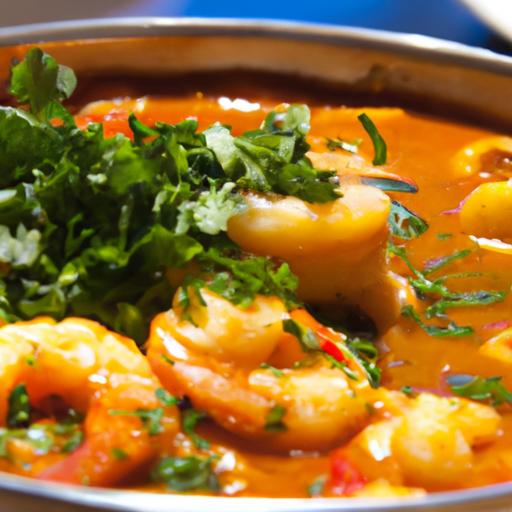

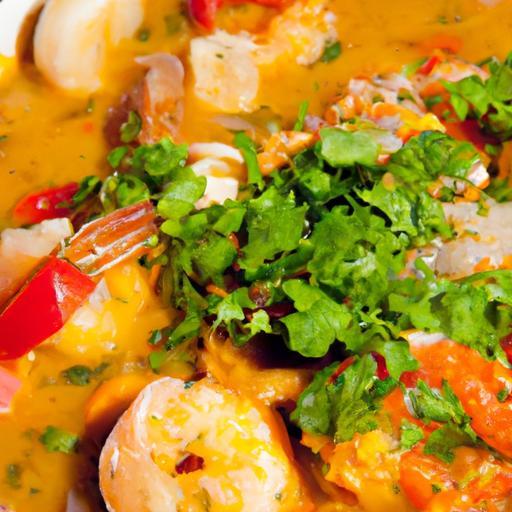
Along Brazil’s sun-kissed coastlines and vibrant riverbanks, a culinary tradition simmers gently in earthen pots, weaving together the rich heritage of its diverse regions. Moqueca, the nation’s beloved seafood stew, is more than a dish-it is a soulful festivity of Brazil’s cultural mosaic and bountiful waters.With fragrant layers of coconut milk, fresh fish, palm oil, and local herbs, moqueca offers a sensory journey into the heart of Brazilian cuisine. This article delves into the origins, variations, and enduring appeal of moqueca, inviting readers too explore the flavors that have made it an iconic symbol of Brazil’s coastal identity.
Origins and Cultural Significance of Moqueca in Brazilian Cuisine
Moqueca, a treasured emblem of Brazilian culinary heritage, captures the vibrant soul of Brazil’s coastal regions. Rooted in the Afro-brazilian traditions of Bahia and the Atlantic shores of Espírito Santo, this seafood stew blends indigenous ingredients with African and Portuguese influences. The name “moqueca” originates from the indigenous Tupi-Guarani word moquém, referring to a conventional smoke-drying technique, which hints at the rustic, layered flavors that characterize this beloved dish. Every simmering pot of moqueca tells a tale of cultural fusion, where fresh fish and shellfish meld with local produce, palm oil, and coconut milk, creating a comforting yet exotic experience that resonates across the country.
Key ingredients and Regional Variations That Define Moqueca
At its essence, moqueca is a stew built around fresh seafood, vibrant vegetables, and fragrant aromatics. Its foundation includes ripe tomatoes,sharp onions,and fiery chilies,enriched by two distinct regional styles:
- Moqueca Baiana (Bahia): Infused with palm oil (azeite de dendê),coconut milk,and cilantro,delivering rich,robust,and creamy layers of flavor. Typical proteins include firm white fish like sea bass or snapper, alongside shrimp.
- Moqueca Capixaba (Espírito Santo): A lighter, more herbaceous take using urucum (annatto) oil instead of palm oil, with a greater emphasis on fresh herbs like parsley and green onions, and sometimes including crab.
Regardless of the version, key ingredients such as lime juice, garlic, and coconut milk tie these recipes to the tropical coastlines, creating an aromatic broth that is both comforting and complex. The diversity of seafood can range from fish fillets to shrimp, squid, and crab, allowing every cook to craft a personal take on this iconic stew.
Step-by-Step Guide to Preparing an Authentic Moqueca at Home
Bringing the spirit of Brazil to your kitchen, this authentic moqueca recipe allows you to savor the coastal passion of Brazilian seafood stew with ease and flair. Follow the steps carefully to balance the bold flavors and silky textures that define this signature dish.
Prep and Cook Time
- Preparation: 20 minutes
- Cooking: 40 minutes
- Total Time: 1 hour
Yield
- Serves 4 people
Difficulty Level
- Medium
Ingredients
- 1.5 lbs firm white fish fillets (sea bass, snapper), cut into chunks
- 12 large shrimp, peeled and deveined (optional)
- 3 tbsp olive oil (for Capixaba version) or 3 tbsp palm oil (azeite de dendê) for Bahian style
- 1 large onion, thinly sliced
- 3 cloves garlic, minced
- 2 large ripe tomatoes, chopped
- 1 red bell pepper, sliced into strips
- 1 yellow bell pepper, sliced into strips
- 1 cup coconut milk
- Juice of 1 lime
- 1 bunch fresh cilantro, roughly chopped
- 1 bunch fresh parsley, roughly chopped (primarily for Capixaba)
- 1 tsp crushed red pepper flakes or to taste
- Salt and freshly ground black pepper to taste
- 2 cups fish stock or water
Instructions
- marinate the seafood: In a bowl, combine fish chunks and shrimp (if using) with lime juice, salt, and pepper. Let rest for 15 minutes. This step enhances the freshness and adds a zesty brightness.
- Prepare the base: Heat the palm oil or olive oil in a large clay pot or heavy-bottomed saucepan over medium heat.Add the sliced onions and sauté until translucent, about 5 minutes.
- Add garlic and peppers: Stir in the minced garlic, red and yellow bell peppers, and cook for another 3 minutes until fragrant and tender.
- Build the stew layers: Add the chopped tomatoes and cook until they begin to break down, roughly 7 minutes. Season with salt, pepper, and red pepper flakes to balance sweetness and heat.
- add liquids: Pour in the coconut milk and fish stock. Bring to a gentle simmer, stirring occasionally to blend the flavors.
- Cook the seafood: Carefully nestle the marinated fish and shrimp into the pot. cover, and let the stew simmer gently for 15-20 minutes or until the fish is opaque and flakes easily. avoid boiling vigorously to keep the seafood tender.
- Finish with fresh herbs: Just before serving, stir in chopped cilantro and parsley if using, adjusting seasoning as needed. The fresh herbs give the moqueca its joyful, luminous finish.
- Serve immediately: Transfer to bowls and garnish with extra cilantro sprigs and lime wedges.
Chef’s Notes
- Ingredient swaps: For a vegetarian take, replace seafood with hearty vegetables like eggplant, hearts of palm, or king oyster mushrooms.
- Make-ahead tip: Prep the base of sautéed vegetables and stock a day ahead; add seafood just before serving to maintain freshness.
- Seafood selection: use the freshest fish possible; frozen seafood can be used but may lessen the stew’s delicate texture.
- Regional touch: For Baiana authenticity, don’t skip the palm oil-it lends an unmistakable aroma.|
- Spice level: Adjust chili flakes and fresh chilies as desired; moqueca is versatile and can be mild or spirited.
pairing Moqueca with Traditional Brazilian Sides and Beverages
Elevate your moqueca experience by pairing it with classic Brazilian accompaniments. Fluffy white rice or pirão-a creamy manioc flour porridge-soak up the stew’s luscious broth perfectly. For added texture and balance, serve with sautéed collard greens (couve mineira) or crispy fried plantains.
To complement the vibrant spices and tropical flavors, enjoy moqueca alongside a chilled glass of caipirinha, Brazil’s iconic cocktail made with cachaça, lime, and sugar. For non-alcoholic options, fresh coconut water or a sparkling passion fruit juice refresh the palate beautifully.
| Nutrient | Amount per serving |
|---|---|
| Calories | 320 kcal |
| Protein | 35 g |
| Carbohydrates | 10 g |
| fat | 14 g |

For further inspiration on vibrant Brazilian dishes, explore our Brazilian Cuisine Guide.
Learn more about the rich culinary traditions of Brazil at Britannica – Moqueca.
Q&A
Q&A: Exploring Moqueca – Brazil’s Iconic Seafood Stew Tradition
Q1: What is Moqueca, and why is it considered an iconic dish in Brazil?
A1: Moqueca is a traditional Brazilian seafood stew, celebrated for its rich, vibrant flavors and cultural significance. Cooked slowly with fresh fish or shellfish,coconut milk,tomatoes,onions,and a medley of local spices and herbs,it embodies the diverse influences that shape Brazilian cuisine-from Indigenous roots to African and Portuguese heritage.This dish’s iconic status stems from its deep connection to coastal communities and regional identities, especially in Bahia and Espírito Santo.
Q2: How does Moqueca vary across different regions in Brazil?
A2: While the essence of Moqueca remains consistent-seafood simmered in a fragrant sauce-the regional variations introduce intriguing distinctions. In Bahia, Moqueca Baiana incorporates palm oil (dendê), coconut milk, cilantro, and peppers, imparting a lush, spicy, and nutty character. In contrast, Moqueca Capixaba from Espírito Santo is lighter, relies on olive oil instead of palm oil, features fresh tomatoes and cilantro, and traditionally uses a clay pot for cooking, yielding a more subtle and herbaceous flavor.
Q3: What ingredients are essential to making an authentic Moqueca?
A3: The core ingredients of Moqueca are fresh seafood (commonly fish like snapper or cod, shrimp, or crab), tomatoes, onions, garlic, bell peppers, and fresh cilantro. coconut milk is indispensable in the Bahian version, while palm oil lends its distinctive aroma and color. Lime juice adds brightness, and salt and pepper season the dish to taste. The combination of these ingredients creates a harmonious balance between sweetness, acidity, earthiness, and heat.
Q4: How is Moqueca traditionally prepared and served?
A4: Traditionally, Moqueca is prepared by layering sautéed vegetables and seafood in a clay pot, then slow-cooked over low heat to meld the flavors gently. The slow simmer allows the fish to absorb the fragrant broth without becoming tough. It’s usually served hot, accompanied by white rice and farofa (toasted manioc flour), which add texture and help soak up the delicious sauce. Sometimes, pirão-a creamy side made from cooking cassava flour in the stew’s broth-is served alongside for an extra indulgence.
Q5: What cultural or ancient influences shaped Moqueca?
A5: Moqueca’s roots trace back to Indigenous Brazilian cooking, where native communities prepared fish stews using local herbs and fruits. The arrival of African slaves introduced palm oil and new seasoning techniques, while Portuguese colonizers contributed Mediterranean ingredients like onions, garlic, and olive oil. This fusion of cultures created a uniquely Brazilian dish that tells a story of adaptation, resilience, and culinary creativity across centuries.
Q6: Can Moqueca be adapted for modern or dietary preferences?
A6: absolutely. While traditional Moqueca centers on seafood, vegetarian versions using hearty vegetables or plant-based proteins like hearts of palm or jackfruit can capture the dish’s spirit. For those avoiding palm oil, substitutions like olive oil or coconut oil work well, though the flavor profile will shift slightly. The stew’s flexible nature allows cooks to experiment while honoring its roots, making Moqueca a timeless and inclusive culinary treasure.
Q7: Why should food lovers around the world explore Moqueca?
A7: Moqueca offers a sensory journey into Brazil’s rich coastal heritage-its flavors are vivid yet comforting, peppered with history and community spirit. For global food enthusiasts, tasting or preparing Moqueca provides more than just a meal; it’s an entrée into Brazil’s diverse cultural mosaic and an invitation to savor the harmony of land and sea through one of its most beloved culinary traditions.
Closing Remarks
As the fragrant aromas of dendê oil and fresh cilantro linger in the mind, Moqueca reveals itself not just as a dish, but as a vibrant expression of Brazil’s coastal heritage. Each spoonful carries stories of generations,where land meets sea and tradition blends with daily life. Exploring Moqueca is more than tasting a stew-it’s an invitation to connect with a culture that celebrates simplicity, community, and the rich bounty of the ocean.Whether enjoyed on a sun-soaked beach or recreated in a home kitchen far from Brazilian shores, Moqueca remains a timeless testament to the enduring spirit of Brazil’s iconic seafood stew tradition.