
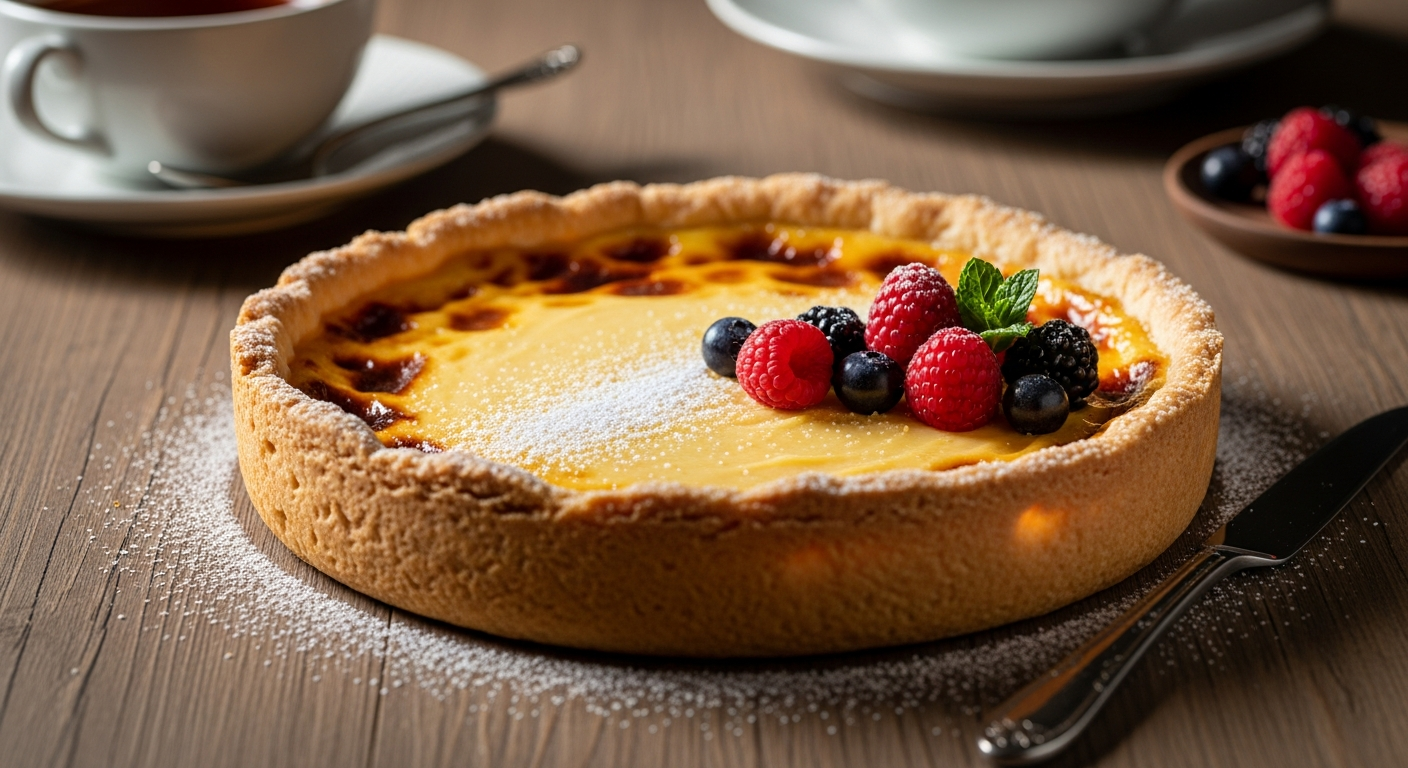
There is a quiet magic in the way certain dishes carry the whispers of generations past, weaving stories through each bite. Among these culinary treasures, French custard pie stands as a timeless emblem of tradition and comfort. Its delicate balance of silky, rich filling nestled within a tender crust invites not just a moment of indulgence, but a connection to a heritage that celebrates simplicity and elegance. In this exploration of French custard pie, we uncover the layers of history, craftsmanship, and enduring appeal that make this dessert a cherished delight across tables and time.
Delight in Tradition: The Timeless Charm of French Custard Pie
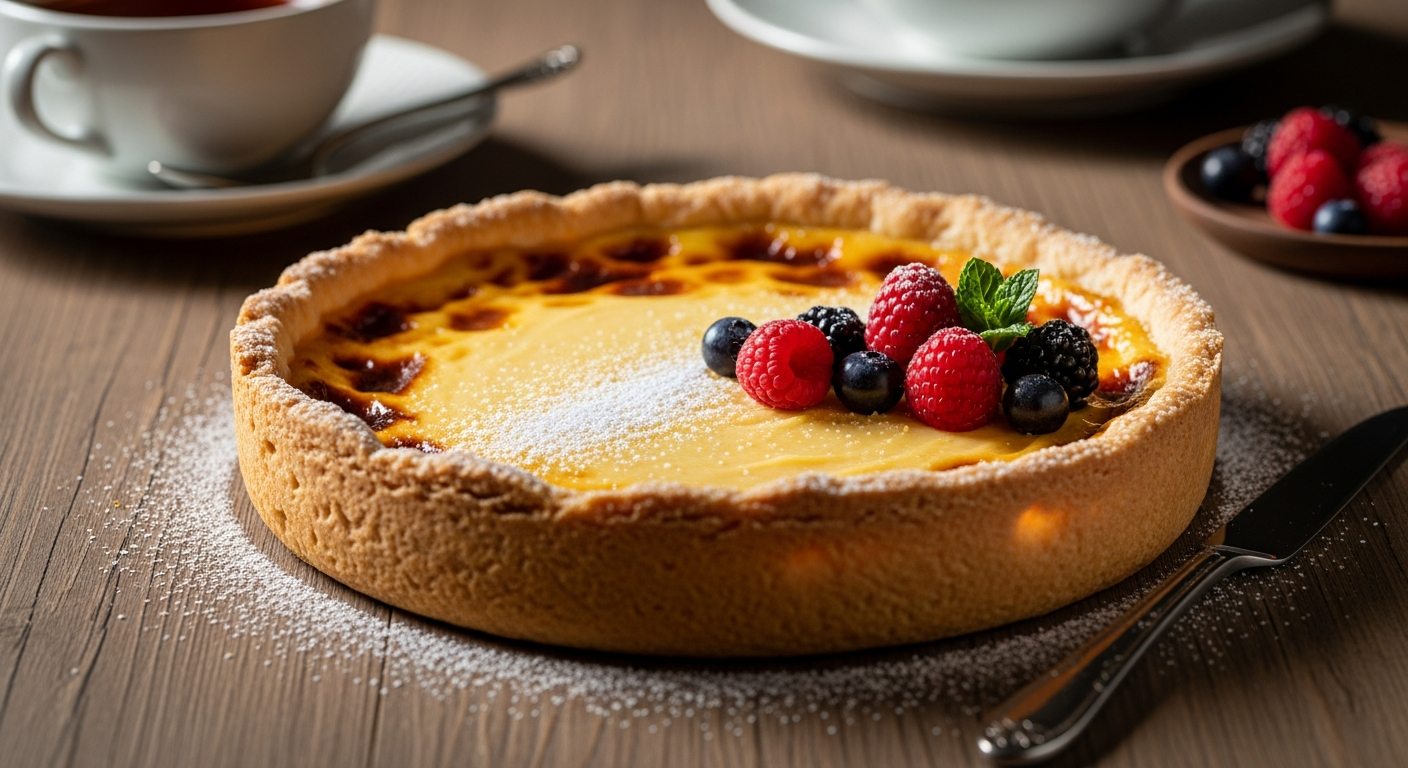
Delight in tradition by savoring the timeless charm of French custard pie, a classic dessert that brings together silky smoothness and delicate pastry in perfect harmony. Rooted deeply in French culinary heritage, this pie invites both novice and experienced bakers to master a recipe that transcends eras, evoking warm memories and celebrations around family tables. its rich yet subtle custard filling set within a flawlessly baked crust is a testament to the elegance and simplicity of French patisserie.
Prep and Cook Time
- Preparation: 25 minutes
- Chilling the dough: 1 hour
- Baking: 35-40 minutes
- total time: Approximately 2 hours
Yield
Serves 8 elegantly and satisfies any sweet craving with ease.
Difficulty Level
Medium – perfect for those cozy with baking techniques who want to elevate their skills.
The Origins and Cultural Significance of French Custard pie
The story of this custard pie is as rich as its flavor. Originating from the heart of French provincial kitchens, it was frequently enough served during celebrations or Sunday family meals, symbolizing comfort and togetherness. The classic quiche-like base with a smooth custard filling embodies French culinary art – balancing textures and flavors with finesse. Today, it remains a cherished dish representing both rustic tradition and patisserie sophistication, a perfect example of how simple ingredients transform into a dish with cultural soul.
Mastering the Art of a Silky Smooth Custard Filling
Achieving that signature custard consistency is both science and art. Use fresh whole eggs and cream combined with a gentle touch of vanilla for depth. Whisk ingredients slowly to avoid incorporating air bubbles which can cause textural inconsistencies. Baking at a moderate temperature ensures the custard sets perfectly-silky, tender, with a faint jiggle that signals it’s ready. Avoid overbaking, which leads to curdling and a grainy mouthfeel.
Selecting the Perfect Pastry for a Classic French Custard Pie
The foundation of this pie is its crust. A tender, flaky pâte brisée or pâte sucrée enhances the custard’s creaminess without overpowering it. Using cold, unsalted butter and chilling the dough prevents excessive gluten growth, yielding a crust that is crisp and buttery. Blind baking the crust untill golden maintains its structure and keeps it from becoming soggy beneath the custard.
Tips and Tricks for baking an Irresistibly Golden Crust
Brush the crust lightly with egg wash before baking to achieve a gorgeous golden sheen. For even baking, prick the dough gently and use baking weights during blind baking to prevent puffing. Keep an eye on the edges-foil strips can definitely help prevent over-browning while the custard bakes to creamy perfection.
Ingredients
- For the crust:
- 1 ¼ cups all-purpose flour,sifted
- ½ cup unsalted butter,cold and cubed
- 2 tablespoons granulated sugar
- 1 large egg yolk
- 2 tablespoons cold water
- Pinch of salt
- For the custard filling:
- 3 large eggs
- 1 cup heavy cream
- ½ cup whole milk
- ¾ cup granulated sugar
- 1 teaspoon pure vanilla extract
- Pinch of salt
Instructions
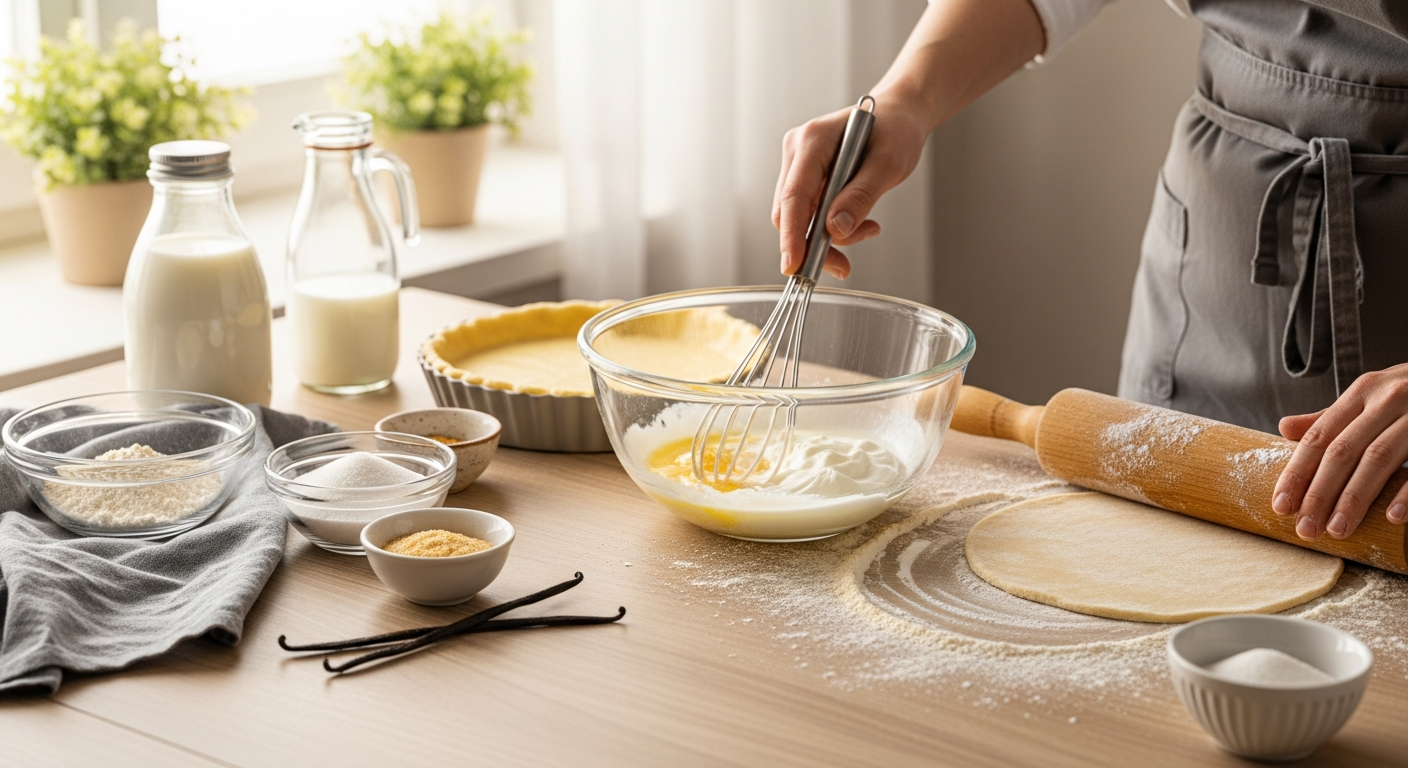
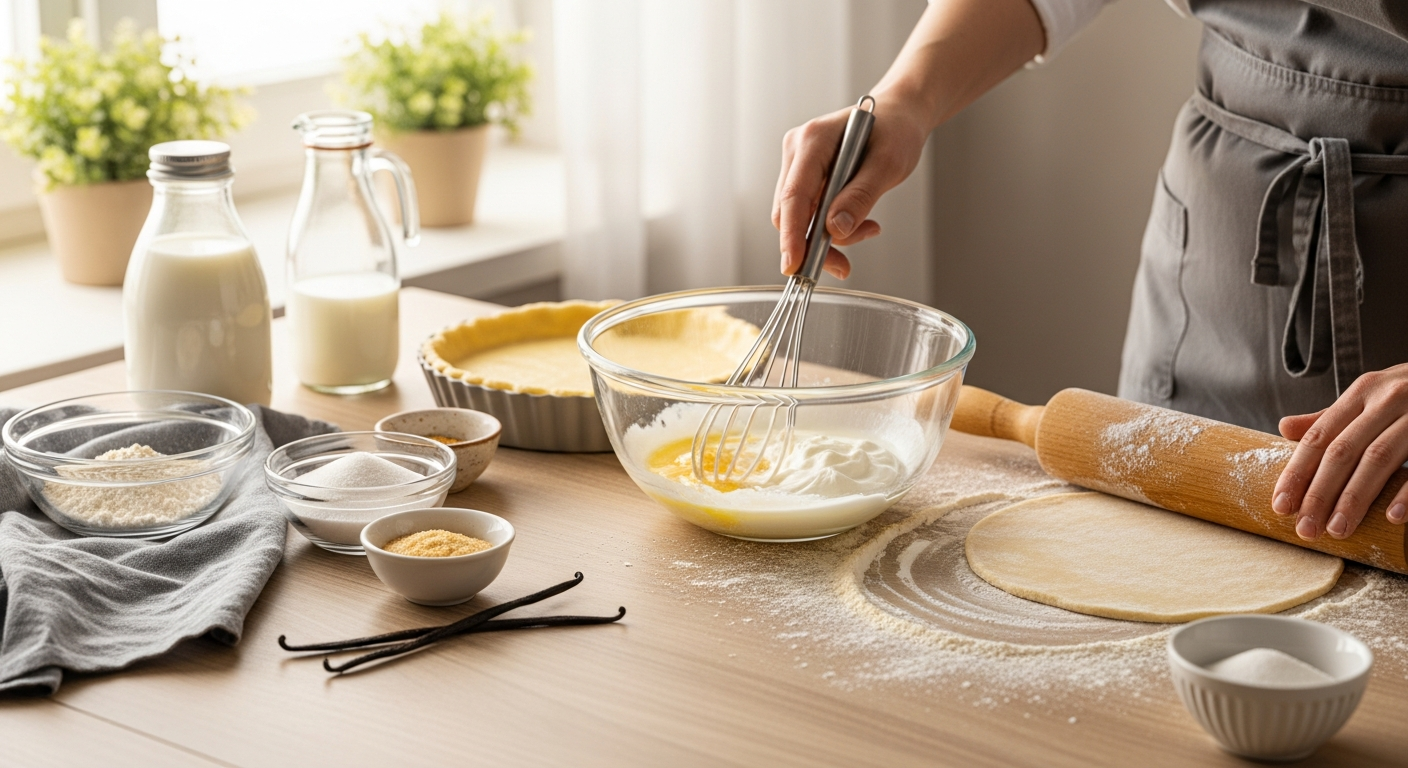
- Make the crust: In a large bowl,combine flour,sugar,and salt. add cold butter cubes and rub gently between fingers or pulse in a food processor until the mixture resembles coarse crumbs.
- Add egg yolk and water: Mix just until the dough comes together. Wrap in plastic wrap and chill for at least 1 hour.
- Preheat oven: Set oven to 350°F (175°C).
- Roll out dough: On a lightly floured surface, roll dough to fit a 9-inch tart pan. Press into pan edges and trim excess.
- Blind bake: Line crust with parchment paper, fill with baking weights or dried beans. Bake for 15 minutes. Remove weights and parchment; bake an additional 5 minutes until golden.
- Prepare custard: In a bowl, whisk eggs and sugar until smooth.Add cream, milk, vanilla, and salt, whisking gently to combine.
- Pour custard: Slowly pour custard into the pre-baked crust.
- Bake: Bake for 35-40 minutes or until custard is set but still slightly jiggly at the center.
- Cool: Allow pie to cool completely on a wire rack before slicing to achieve clean cuts.
chef’s Notes
- For a richer custard, substitute half the milk with crème fraîche or add a splash of orange blossom water for a fragrant twist.
- Use room temperature eggs for better mixing and custard texture.
- Do not overmix to avoid incorporating too much air.
- If custard cracks after baking, it likely indicates overcooking; remove it promptly once set but not firm.
- Make-ahead tip: Prepare crust a day before and store wrapped in fridge. Custard filling can be whisked a few hours ahead but bake right before serving.
Serving Suggestions
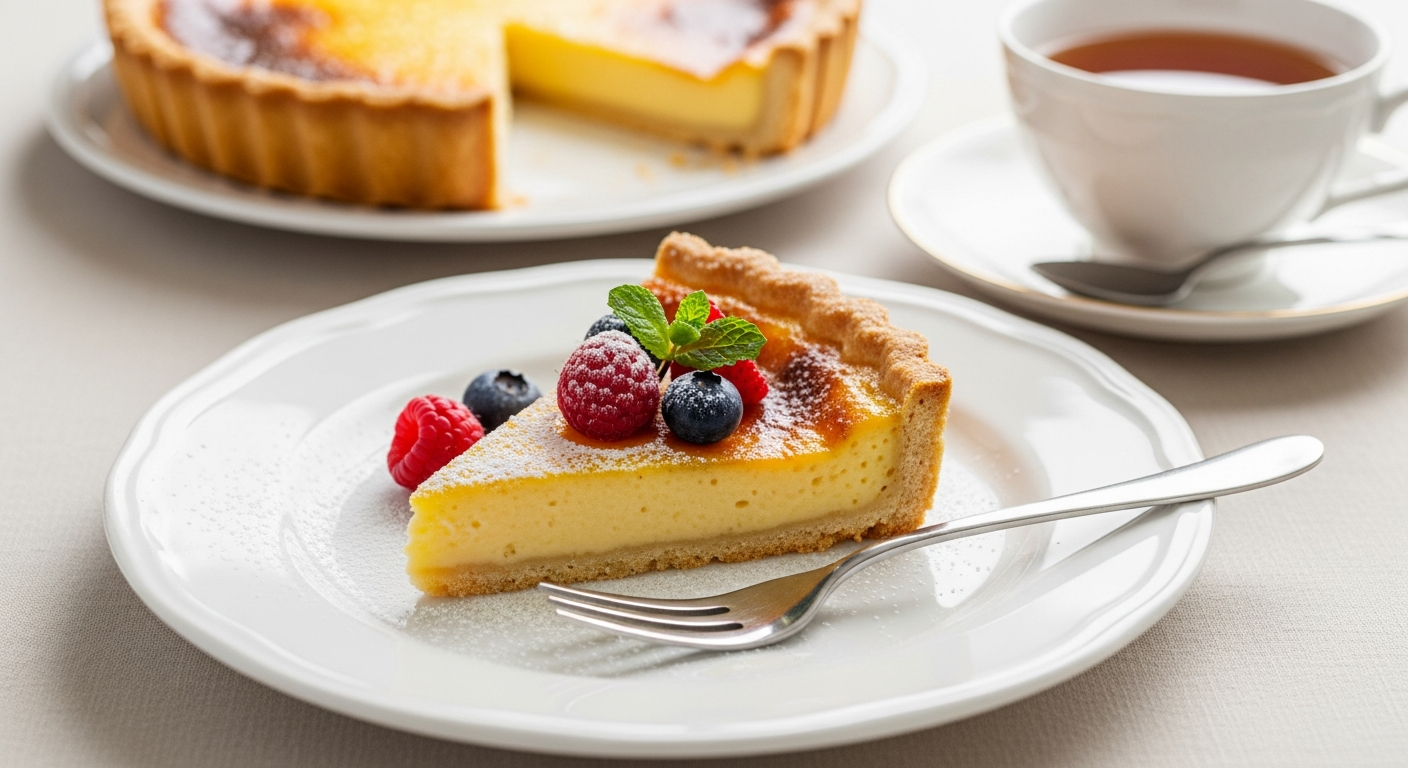
This custard pie is divine served slightly chilled or at room temperature. Garnish with a dusting of powdered sugar, fresh berries, or a sprig of mint to add color and freshness.Pair beautifully with a crisp glass of white wine or a fragrant cup of Earl Gray tea, creating a memorable dessert experience.

| Nutrient | Per Serving |
|---|---|
| Calories | 320 kcal |
| Protein | 6 g |
| Carbohydrates | 32 g |
| Fat | 18 g |
Explore more French desserts like the classic French Tarte Tatin to keep delighting your palate. For in-depth history and regional influences of custards in global cuisine, visit Encyclopedia Britannica.
Q&A
Q&A: Delight in Tradition – The Timeless Charm of French Custard Pie
Q1: What exactly is French custard pie?
A1: French custard pie, often known as “Flan Parisien” or simply French flan, is a dessert that boasts a smooth, creamy custard filling nestled in a crisp or tender pastry crust. It’s a classic treat that balances simplicity and elegance, with a rich history rooted deeply in French culinary tradition.
Q2: How does French custard pie differ from other custard-based desserts?
A2: Unlike custard tarts or crème brûlée, French custard pie typically features a set custard baked within a pie crust, giving it a firmer texture that can be sliced and shared. The focus is on a silky, egg-and-milk-based filling that’s lightly sweetened and subtly flavored, often with vanilla, showcasing the beauty of straightforward ingredients.
Q3: What makes this pie so timeless and beloved in France?
A3: Its timeless appeal lies in its comforting simplicity and nostalgic character.Passed down through generations, French custard pie evokes memories of home and hearth. Its modest ingredients-eggs, milk, sugar, and pastry-combine to create a dessert that feels both humble and refined, fitting for weekday treats or special occasions alike.
Q4: Are there regional variations of French custard pie?
A4: Yes,different regions add their own touches. Such as, in provence, you might find custard tarts infused with a hint of lavender or almond. Meanwhile, in northern France, the custard may be slightly denser and baked in a buttery pâte brisée. These subtle variations highlight local ingredients and culinary customs.
Q5: how can one incorporate tradition while adding a modern twist?
A5: embracing tradition doesn’t mean avoiding creativity. Modern interpretations might include adding fresh fruit on top, like tart berries or caramelized apples, integrating spices such as cinnamon or star anise, or experimenting with choice crusts-gluten-free or nut-based-to fit contemporary tastes without losing the pie’s essential soul.
Q6: What occasions are ideal for serving French custard pie?
A6: French custard pie is wonderfully versatile-perfectly at home during a casual afternoon tea, a festive family gathering, or even a refined dinner party. Its gentle flavors pair beautifully with coffee, tea, or a glass of sweet dessert wine, making it a charming conclusion to various meals.
Q7: Can beginners try making French custard pie at home?
A7: Absolutely. Despite its elegant reputation, French custard pie is surprisingly approachable. with a few basic kitchen skills-mixing custard,preparing crust,and baking-home cooks can create a delightful dessert that honors tradition and satisfies the palate. Patience and attention to gentle baking usually yield the best results.
Q8: Where can one learn more about French custard pie and its history?
A8: Culinary history books, French cookbooks, and food blogs dedicated to traditional desserts offer rich insights. Museums devoted to gastronomy and local French markets provide cultural context,while cooking classes often incorporate this classic toepiece into their curriculum,bridging past and present in the kitchen.
From the modest pantry staples to the warm glow of a fresh slice on the table, French custard pie continues to enchant-inviting each generation to discover the quiet pleasure of tradition with every bite.
in summary
In savoring the timeless allure of French custard pie, we uncover more than just a dessert; we partake in a tradition steeped in history, craftsmanship, and simple pleasures. each creamy bite invites us to pause and appreciate the art of patience and the beauty of classic flavors passed down through generations. Whether enjoyed in a bustling Parisian café or homemade in a quiet kitchen,this cherished pie remains a gentle reminder that some culinary treasures truly transcend time.