
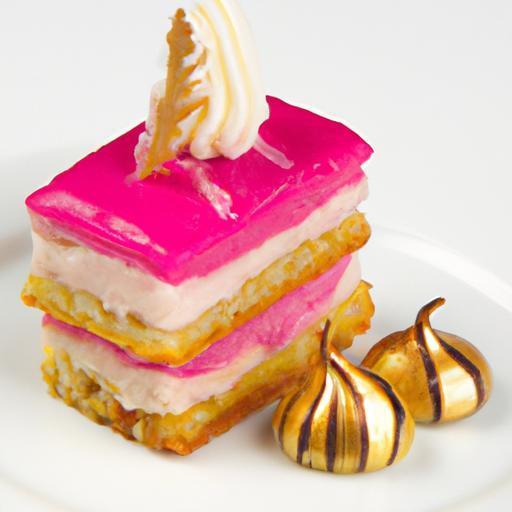
In the world of French patisserie, few desserts embody the delicate balance of texture and flavor quite like the dacquoise. This layered masterpiece, with its crisp meringue discs and rich nutty notes, invites both the curious and the connoisseur to explore an art form steeped in tradition yet open to innovation. “Dacquoise Delights: The Art of layered French pastry” delves into the history, technique, and subtle elegance that make this pastry a timeless favorite-revealing how each carefully crafted layer contributes to an experience as intricate as it is irresistible.
Dacquoise Delights invite you to experience the delicate interplay of crisp meringue, rich nutty layers, and luscious fillings that embody classic french patisserie mastery. Originating from southwestern France, this elegant dessert offers a symphony of textures and flavors, perfect for those who appreciate refined sweetness enriched by toasted almonds and hazelnuts. My first encounter with dacquoise was at a small Parisian café, where each bite revealed a story of passion and precision-an unforgettable culinary embrace that inspired this recipe.
Prep and Cook Time
- Preparation: 40 minutes
- Cooking: 25 minutes
- Cooling and Assembly: 1 hour
Yield
Serves 8 elegantly sized portions
Difficulty Level
Medium – Ideal for enthusiasts cozy with meringue techniques and layering delicate components
Ingredients
- For the Meringue Layers:
- 4 large egg whites,at room temperature
- 1 cup (200g) superfine sugar
- 1 cup (100g) almond flour,finely ground
- ½ cup (50g) hazelnut flour,lightly toasted
- ½ teaspoon cream of tartar
- Pinch of fine sea salt
- For the Buttercream Filling:
- 1 cup (227g) unsalted butter,softened
- 1 ½ cups (190g) powdered sugar,sifted
- 3 large egg yolks
- 2 tablespoons strong brewed espresso,cooled
- 1 teaspoon pure vanilla extract
- Optional Decorations:
- Toasted almond slices
- Fresh raspberries or edible gold leaf
Instructions
- Prepare the nut flours: Lightly toast the hazelnuts in a dry pan over medium heat for 3-4 minutes until fragrant,stirring often to avoid burning. Cool, then pulse in a food processor to a fine meal without turning it into butter. Combine with almond flour and set aside.
- Preheat the oven: set to 325°F (160°C). Line three 8-inch (20 cm) round baking pans with parchment paper and trace circles as a guide.
- Whip the egg whites: In a clean, dry bowl, beat egg whites with cream of tartar and salt until foamy. Gradually sprinkle superfine sugar, continuing to beat until stiff, glossy peaks form.Avoid overbeating to keep meringue stable yet pliable.
- Fold in nut flour: Gently fold the nut mixture into the meringue using a spatula. Aim to maintain fullness without deflating the whites. Work swiftly but gently to preserve airiness.
- Pipe or spread meringue: Transfer meringue to a piping bag fitted with a plain round tip or simply use a spatula to evenly spread the meringue circles following yoru traced guides. Smooth tops for uniform layers.
- Bake: Bake each layer for 20-25 minutes until golden and crisp on the outside but still slightly soft inside. They should lift cleanly from parchment when cooled. Cool completely on wire racks to enhance crispness.
- Prepare the buttercream: Simultaneously occurring, whisk egg yolks over a double boiler until pale and slightly thickened (about 3 minutes). Remove and beat butter until fluffy. Gradually add the warm yolk mixture, powdered sugar, espresso, and vanilla. Beat until smooth and creamy.
- Assemble the dacquoise: Place one meringue layer on your serving plate. Spread a generous layer of buttercream evenly. Repeat with remaining layers, finishing with buttercream on top. Smooth sides with a spatula for a refined look.
- Chill: Refrigerate for at least 30 minutes to set and marry flavors.
- Decorate: Garnish with toasted almond slices, fresh raspberries, or delicate gold leaf to contrast the silkiness and add visual flair.
Chef’s Notes: Tips for Success
- Meringue texture: Ensure all mixing bowls and beaters are grease-free and dry to achieve stiff peaks.
- Nut variations: Swap hazelnuts for pistachios or walnuts for unique flavors,adjusting to taste.
- Make-ahead: Meringue layers can be baked 2 days in advance and stored airtight at room temperature, while buttercream keeps refrigerated for up to 3 days.
- troubleshooting: If buttercream curdles, warm gently and beat until smooth or add a touch of cream to fix.
- Egg replacement: For dietary restrictions, aquafaba can substitute egg whites in meringue but requires careful monitoring.
Serving Suggestions
Serve chilled or at room temperature alongside a light fruit coulis or a cup of perfectly brewed espresso. Present individual slices on fine china with a dollop of whipped cream and a scattering of edible flowers for a complex touch. The textural contrast between crisp nutty meringue and silky buttercream makes each bite a festivity of French artistry.

| Nutrient | Per serving |
|---|---|
| Calories | 480 kcal |
| Protein | 7 g |
| Carbohydrates | 45 g |
| Fat | 28 g |
Explore further techniques and elegant French desserts by visiting our French Patisserie Techniques guide. For a deeper dive into meringue science,see the insights at Serious Eats.
Q&A
Q&A: Dacquoise Delights – The Art of Layered French pastry
Q1: What exactly is a Dacquoise?
A Dacquoise is a classic French dessert characterized by its delicate layers of nut-infused meringue and rich cream or buttercream fillings. Originating from the region of dax in southwestern France, this pastry combines crisp, airy textures with smooth, luscious components, making it a sublime treat for the senses.
Q2: How does a Dacquoise differ from other meringue-based desserts?
unlike traditional meringues that are typically light and singular in texture, Dacquoise meringue layers incorporate finely ground nuts-usually almonds or hazelnuts-giving them a distinctive crunch and nutty flavor. These layers are then carefully stacked with velvety creams, creating a sophisticated harmony of textures not frequently enough found in simpler meringue desserts.
Q3: what makes the layering process so special in a Dacquoise?
The layering process is truly an art. Each meringue layer must be baked to perfection-crispy on the outside, slightly chewy within-then cooled before carefully spreading the luscious filling. The balance of each layer supports both the structural integrity and flavor profile of the final pastry. Precision, patience, and an eye for detail are essential.
Q4: Which flavors are traditionally paired with Dacquoise?
Classic Dacquoise often features vanilla, chocolate, or coffee-infused creams, complemented by the natural almond or hazelnut flavor of the meringue layers. Contemporary variations might incorporate fruit purées, citrus zest, or even exotic spices, offering a playground for creative pastry chefs looking to reinvent this timeless dessert.
Q5: Is making a Dacquoise suitable for home bakers?
While definitely a rewarding endeavor, crafting a Dacquoise requires some baking experience. achieving the perfect meringue texture, baking it just right, and assembling the layers neatly can be a challenge. But with practice, patience, and a passion for detail, home bakers can certainly master this elegant pastry and delight thier tables with a true French classic.
Q6: Why has Dacquoise maintained its appeal in the world of fine patisserie?
Dacquoise continues to captivate because it embodies both simplicity and sophistication. Its straightforward ingredients belie a complex interplay of textures and flavors, offering a sensory experience that feels both nostalgic and refined. This balance of tradition and artistry ensures that Dacquoise remains a cherished staple in French pastry culture.
future Outlook
As the final crumbs of a dacquoise dissolve on the tongue, one is left with more than just the memory of delicate textures and nuanced flavors; there is a lingering appreciation for the artistry woven into each layer. This timeless French pastry,with its intricate balance of crisp meringue,nutty richness,and sumptuous cream,invites both bakers and enthusiasts to explore texture,technique,and tradition. Whether savored in a quiet moment or shared among friends, the dacquoise remains a testament to the elegance of layered craftsmanship-a sweet reminder that sometimes, the most stunning creations come in thoughtfully built layers.