
in the intricate tapestry of global cuisine,few ingredients weave together cultures and traditions as elegantly as vermicelli. These fine, delicate threads of pasta have journeyed across continents and centuries, transcending borders too become a beloved staple in kitchens from Asia to the Mediterranean. “Vermicelli Unveiled: A Delicate Thread of Global Cuisine” invites readers to explore the subtle textures,diverse preparations,and rich histories behind this seemingly simple ingredient.Through its delicate strands, vermicelli reveals stories of culinary innovation, adaptation, and unity-offering a unique lens into the shared language of food that connects us all.
Vermicelli unveiled: A Delicate Thread of Global Cuisine
Vermicelli has long danced through the kitchens of diverse cultures, connecting continents with its thin, graceful strands. This versatile ingredient offers more than just texture; it embodies centuries of culinary heritage and regional storytelling. Weather toasted golden in Middle Eastern pilafs,simmered to silky perfection in Southeast Asian soups,or transformed into luscious desserts across India,vermicelli unveils an exquisite journey of flavor and tradition.
Prep and Cook Time
- Preparation: 10 minutes
- Cooking: 15 minutes
- Total Time: 25 minutes
Yield
Serves 4 generous portions
Difficulty Level
Easy
Ingredients
- 1 cup vermicelli noodles (preferably thin semolina or rice-based)
- 2 tablespoons ghee or unsalted butter
- 2 cups whole milk (or coconut milk for a dairy-free option)
- 1/4 cup granulated sugar (adjust to taste)
- 1/4 teaspoon cardamom powder
- 1/4 cup chopped pistachios and almonds
- 2 tablespoons golden raisins
- A pinch of saffron strands (optional,soaked in 1 tablespoon warm milk)
- 1 teaspoon rose water or vanilla extract
- A pinch of salt
Instructions
- Toast the vermicelli: In a heavy skillet,melt the ghee over medium heat. Add the vermicelli and sauté until it turns a warm golden-brown, about 3-5 minutes. Stir constantly to prevent burning and ensure even browning.
- Heat the milk: In a saucepan, bring the milk, sugar, and salt to a gentle simmer. Stir until the sugar dissolves fully.
- Cook the vermicelli: Slowly pour the hot milk mixture over the toasted vermicelli in the skillet. Reduce heat to low and simmer gently, stirring frequently to avoid lumps and sticking. Cook until the vermicelli softens,about 8-10 minutes.
- Add aromatics and nuts: Mix in the cardamom powder, soaked saffron (if using), raisins, chopped pistachios, and almonds. Stir to combine and cook for an additional 2 minutes, allowing the flavors to meld.
- Finish with fragrance: Remove the pan from heat and stir in rose water or vanilla extract. Cover and let it rest for 5 minutes to thicken slightly.
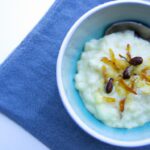
- Serve warm or chilled: Spoon the vermicelli pudding into serving bowls. Garnish with extra chopped nuts and a few saffron strands for a vibrant, inviting presentation.
Tips for Success
- Choose your vermicelli wisely: For authentic texture, select thin semolina vermicelli for desserts or rice vermicelli for savory dishes.
- Control the toasting: Toasting until golden deepens flavor, but avoid burning as it can lead to bitterness.
- Milk alternatives: Whole milk offers creaminess; coconut milk gives a luscious tropical twist ideal for vegan diets.
- Sweetness levels: Adjust sugar to your liking, balancing with aromatic spices for best results.
- Make ahead: This dish improves after resting; refrigerate leftovers and reheat gently with a splash of milk to restore creaminess.
- Variations: Incorporate rose petals,orange blossom water,or even chopped dried figs to elevate the flavor profile.
Serving Suggestions
Present this creamy vermicelli pudding in delicate glass bowls or vintage ceramic dishes to emphasize its ethereal texture. Garnish with crushed pistachios and a sprinkle of edible rose petals for visual contrast and fragrant appeal. Complement it with a side of spiced chai or lightly brewed green tea to balance the richness.

| Nutrient | Per Serving |
|---|---|
| Calories | 280 kcal |
| Protein | 6 g |
| Carbohydrates | 38 g |
| Fat | 9 g |
For more inspiration on vermicelli in savory dishes, explore our detailed guide on Vermicelli Recipes from Around the World.To further understand the regional origins of vermicelli, this Britannica article on vermicelli offers valuable insights.
Q&A
Q&A: Vermicelli Unveiled: A Delicate Thread of Global Cuisine
Q1: What exactly is vermicelli?
A1: Vermicelli is a type of pasta characterized by its long, thin, thread-like shape. The name itself comes from the Italian word verme, meaning “worm,” a poetic nod to its slender form. Though often associated with Italian cuisine, vermicelli appears across various food cultures worldwide, each interpreting it uniquely.
Q2: How does vermicelli differ from other types of noodles or pasta?
A2: Unlike spaghetti, which is slightly thicker, vermicelli is finer and more delicate. In different regions, its composition can vary-from durum wheat in Italy to rice or mung bean starch in Asian varieties. This subtle difference in ingredients affects texture and cooking methods, making vermicelli a versatile culinary canvas.
Q3: Where in the world is vermicelli most popular?
A3: Vermicelli enjoys popularity on multiple continents. In Italy,it’s a classic element of light pasta dishes and soups. Across Asia-from India to Vietnam and the Middle East-vermicelli frequently enough takes on rice or starch bases and features prominently in stir-fries, desserts, and broths, adapting to local flavors and traditions.
Q4: Can vermicelli be used in both savory and sweet dishes?
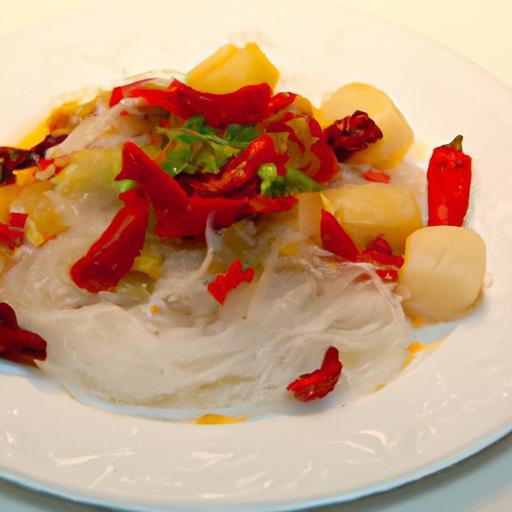
A4: Absolutely. Savory dishes might feature vermicelli tossed with vegetables,meats,or seafood in fragrant sauces,while sweet versions could include vermicelli cooked in milk with cardamom and nuts,as seen in Indian seviyan kheer or Middle Eastern sweets. Its neutral flavor and delicate texture allow it to absorb and complement a broad spectrum of tastes.
Q5: How should one cook vermicelli to maintain its delicate texture?
A5: As vermicelli is thin and cooks quickly, it requires gentle attention. Typically, it’s boiled briefly until just tender-often only a few minutes-and then immediately drained and rinsed under cold water to halt cooking. Overcooking can result in a mushy texture,which mutes the signature lightness that defines vermicelli dishes.
Q6: What cultural significance does vermicelli hold in different cuisines?
A6: Beyond its culinary uses, vermicelli often carries cultural symbolism. In India, it’s central to festive sweets and communal meals. In the Middle East, vermicelli is a comfort food served during family gatherings. Its presence in celebrations and everyday cooking underscores its role as a connector of tradition and taste.
Q7: Are there any captivating past tidbits about vermicelli?
A7: Vermicelli’s origins are as intertwined as its strands. While pasta itself dates back to ancient times, the specific evolution of vermicelli likely involved cross-cultural exchanges along trade routes such as the Silk Road, influencing its spread from Mediterranean Europe to Asia. This delicate noodle thus embodies a rich tapestry of culinary history.
Q8: How can home cooks experiment with vermicelli in their kitchens?
A8: Experimentation is encouraged! Vermicelli can be toasted for added nuttiness,used in salads,wrapped in spring rolls,or baked into casseroles. Swapping traditional wheat vermicelli with rice or glass noodles can introduce new textures. Using fresh herbs, spices, and broths allows cooks to infuse vermicelli dishes with their personal flair while honoring global inspirations.
This Q&A invites readers to appreciate vermicelli not just as a simple strand of pasta or noodle, but as a symbol of culinary creativity and cultural connection across the world.
Concluding Remarks
As we draw the delicate strands of vermicelli’s story to a close, it becomes clear that this humble noodle is far more than just a slender thread of pasta.It weaves together diverse cultures, culinary traditions, and history, embodying the artistry and adaptability of global cuisine. Whether served in a steaming bowl of soup, a vibrant salad, or a sweet dessert, vermicelli continues to inspire chefs and food lovers alike, reminding us that even the finest threads can stitch together a world of flavor and connection.