
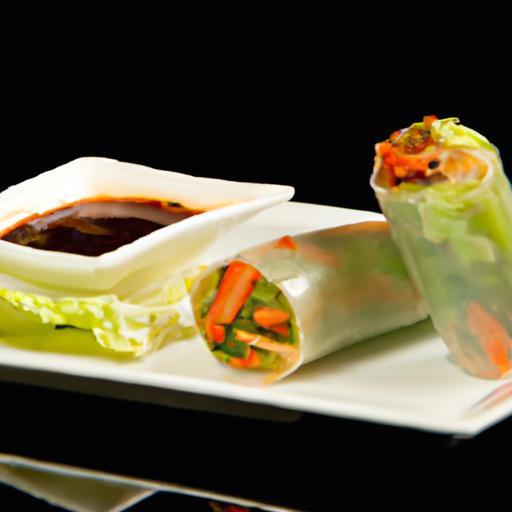
In the world of culinary delights, few accompaniments hold as much power as a well-crafted sauce. When it comes to spring rolls,the sauce is more than just a dip-it’s the vibrant bridge that elevates humble ingredients into a harmonious explosion of flavor. Unlocking the art of the perfect spring roll sauce means understanding the delicate balance of sweet, sour, salty, and savory notes that awaken the palate and complement every bite. This article explores the nuanced craft behind these sauces, inviting you to discover how simple ingredients can transform a familiar favorite into an unforgettable taste experience.
Unlocking Flavor: The Art of Perfect Spring Roll Sauce begins with selecting ingredients that harmonize fresh,tangy,and savory elements to complement the delicate textures of spring rolls.Balancing these flavors with the right consistency transforms a simple dipping sauce into a taste sensation that elevates every bite.Here, you’ll discover how to craft sauces that marry tradition with creativity, ensuring every spring roll variety is perfectly paired and bursting with flavor.
Prep and Cook Time
Prep Time: 10 minutes
Cook Time: 5 minutes (optional for cooked sauces)
Yield
Approximately 1 cup of sauce, serving 4-6 people
Difficulty Level
Easy to Medium
Ingredients
- 3 tablespoons soy sauce (preferably low sodium for balance)
- 2 tablespoons rice vinegar (adds luminous acidity)
- 1 tablespoon honey (for natural sweetness)
- 1 teaspoon toasted sesame oil (for deep, nutty aroma)
- 1 garlic clove, minced (fresh for pungency)
- 1 teaspoon freshly grated ginger (adds warmth and zing)
- 1 teaspoon chili garlic sauce or Sriracha (adjust to taste)
- 2 tablespoons water (to adjust consistency)
- 1 teaspoon cornstarch (optional) dissolved in 1 tablespoon cold water for thickness
- Chopped fresh cilantro or green onion (for garnish)
Instructions
- Combine the base ingredients: In a small bowl, whisk together soy sauce, rice vinegar, honey, and toasted sesame oil until the honey dissolves wholly.
- Add aromatics: Stir in the minced garlic and grated ginger for an invigorating flavor foundation.
- Incorporate heat: Mix in the chili garlic sauce or Sriracha, tasting as you go to reach your desired spice level.
- Adjust consistency: If the sauce feels too thick or intense, gradually whisk in water until it achieves a smooth, pourable texture that clings lightly to the spring rolls.
- Optional thickening step: For a slightly thicker dipping sauce, heat the mixture gently in a small saucepan over low heat.
- Once warm, slowly add the cornstarch slurry, whisking continuously until the sauce thickens to your liking (about 1-2 minutes). Remove from heat instantly to prevent over-thickening.
- Cool slightly before transferring to a serving dish.
- Garnish: Sprinkle with freshly chopped cilantro or sliced green onion for a burst of color and freshness.
Tips for Success: Enhance Flavor and Achieve the Perfect Consistency
- Freshness is key: Use freshly minced garlic and ginger to avoid harsh, overpowering flavors common in pre-minced jarred versions.
- Balance acidity and sweetness: Rice vinegar provides brightness; adjust honey incrementally to avoid an overly sweet sauce.
- Slow incorporation of chili: Build heat gradually to maintain control over spice intensity.
- Master consistency: A sauce that’s too watery won’t adhere well; use water sparingly and test by dipping a spring roll to find your perfect viscosity.
- Make ahead: Prepare your sauce up to 24 hours in advance-flavors meld beautifully overnight in the fridge. Warm gently before serving.
- Substitution options: Swap soy sauce for tamari for gluten-free needs; agave nectar or maple syrup work well in place of honey.
Pairing Sauces with Different Spring Roll Varieties
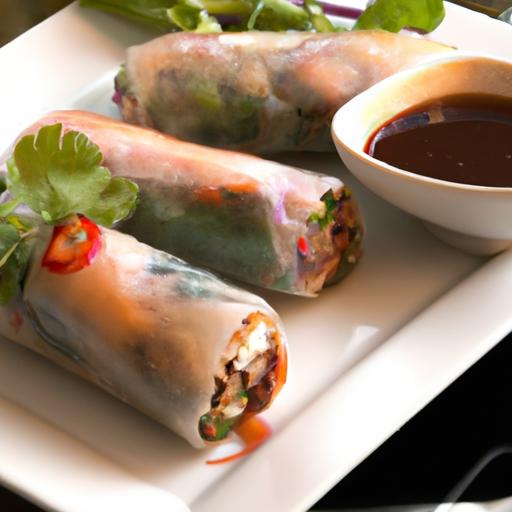
Dipping sauces can turn spring rolls from a simple snack to an extraordinary treat. for fresh Vietnamese-style spring rolls with shrimp and herbs, a light and tangy sauce featuring lime juice paired with this soy-based blend creates a refreshing contrast. Crispy fried spring rolls crave thicker, slightly sweet chili sauces for a perfect blend of crunch and heat.
To complement vegetarian spring rolls filled with crunchy vegetables and tofu, consider adding a hint of peanut butter or tahini for extra creaminess and richness. When serving Thai-style spring rolls, infuse the sauce with kaffir lime leaves or lemongrass for an aromatic twist.
Creative Twists to Elevate Traditional Sauce Recipes
- Fruit infusions: Puree mango or pineapple into the base for tropical sweetness that wakes the palate.
- Smoky undertones: Add a few drops of smoked paprika or chipotle chili paste to imbue a subtle smokiness, balancing the fresh ingredients.
- Nutty accents: Sprinkle toasted crushed peanuts or swirl in natural peanut butter for textural interest and depth.
- Herbal freshness: Fold in finely chopped Thai basil or mint, adding a vibrant lift that pairs beautifully with citrusy vinegar.
- Umami boosters: A dash of fish sauce or miso paste can deepen the savory backbone, especially good in more robust spring rolls.
serving Suggestions
Serve the sauce in a small, elegant bowl with a few dipping spoons to encourage sharing and savoring.Garnish with thinly sliced red chilies for a pop of color and a hint of heat. Arrange fresh spring rolls on a platter lined with crisp lettuce leaves and edible flowers to create a visually stunning appetizer.
For a refreshing finish, sprinkle a few toasted sesame seeds atop the sauce, tying the aromatic sesame oil into the presentation seamlessly. Pair alongside chilled Asian iced teas or sparkling water with lemon for a bright complement.
| Nutrient | Per 2 Tbsp Serving |
|---|---|
| Calories | 40 kcal |
| Protein | 1 g |
| Carbohydrates | 8 g |
| Fat | 1.5 g |

For more inspiration on pairing sauces with Asian favorites, explore our ultimate guide to dipping sauces. To deepen your understanding of the cultural origins of spring rolls and their flavor profiles,visit Serious eats’ detailed breakdown.
Q&A
Q&A: Unlocking Flavor – The Art of Perfect Spring Roll Sauce
Q1: Why is the sauce just as vital as the spring roll itself?
A1: A spring roll’s crisp texture and fresh filling set the stage, but the sauce is the grand finale-it ties all flavors together.Without the right sauce, the experience feels incomplete. The perfect spring roll sauce amplifies freshness, balances textures, and injects a burst of flavor that transforms each bite into a symphony.
Q2: What are the key flavor notes to aim for in a spring roll sauce?
A2: The magic lies in balance. You want a harmony of sweet, salty, sour, and umami. Typically, sugar, fish sauce or soy sauce, lime juice or vinegar, and a hint of heat like chili create a lively, layered taste. Each component sings, but none overpower. It’s the delicate equilibrium that defines the art.
Q3: How does regional variation influence spring roll sauces?
A3: Spring roll sauces vary widely across asia, reflecting local palates and ingredients. Vietnamese dipping sauces (nuoc cham) highlight fish sauce and fresh lime,while Thai versions might lean on tamarind and palm sugar. Chinese varieties frequently enough utilize hoisin with garlic and peanuts.Each rendition tells a cultural story, inviting you to explore layers beyond flavor.
Q4: Can homemade spring roll sauce outshine store-bought versions?
A4: Absolutely. Making sauce at home allows personalization and freshness unmatched by bottled jars. You control quality, adjust sweetness or acidity, and experiment.Simple ingredients, combined thoughtfully, can yield a bright, vibrant sauce that elevates not just spring rolls, but any dish it accompanies.
Q5: What tips can help perfect the texture of the sauce?
A5: Attention to texture is subtle but impactful. the sauce should be smooth enough to coat yet not watery. Adding finely minced garlic, chili slices, or crushed peanuts introduces textural interest. If using sugar, dissolving it properly ensures no graininess. A slight viscosity helps cling to the spring roll surface, enhancing flavor delivery.
Q6: Is there a secret ingredient that can unlock an extraordinary spring roll sauce?
A6: While there’s no single “secret,” a splash of toasted sesame oil or grated ginger often elevates the complexity. Fresh herbs like cilantro or mint added to the sauce can inject a refreshing twist. Ultimately, the “secret” is mindful balance and freshness – the willingness to taste and tweak until every note sings.
Q7: How can someone experiment safely with spring roll sauce at home?
A7: Start with a basic framework: sweet, sour, salty, and spicy.Build gradually, tasting as you go. Use small batches to test variations,and don’t hesitate to swap ingredients-try rice vinegar instead of lime juice,or tamarind paste for a different tang. Embrace trial and error as part of the journey toward your personalized flavor masterpiece.
Q8: What dishes beyond spring rolls pair well with this sauce?
A8: This versatile sauce shines alongside grilled meats, seafood, fresh salads, and even as a dipping sauce for fried snacks. Its vibrant profile complements both light and rich dishes, adding brightness and savoriness. Unlocking its potential opens up a world of culinary possibilities beyond a humble spring roll.
The Way forward
As the final drizzle of sauce elevates each bite, it becomes clear that crafting the perfect spring roll sauce is more than just a culinary task-it’s an art form. By balancing sweetness, acidity, saltiness, and spice, this essential accompaniment transforms simple ingredients into a harmonious dance of flavors. Whether you favor classic peanut notes or a zesty tamarind twist, unlocking the secrets of spring roll sauce invites both creativity and gratitude, turning every roll into a memorable experience. So take a spoon, experiment boldly, and savor the subtle magic that a well-made sauce can bring to your table.