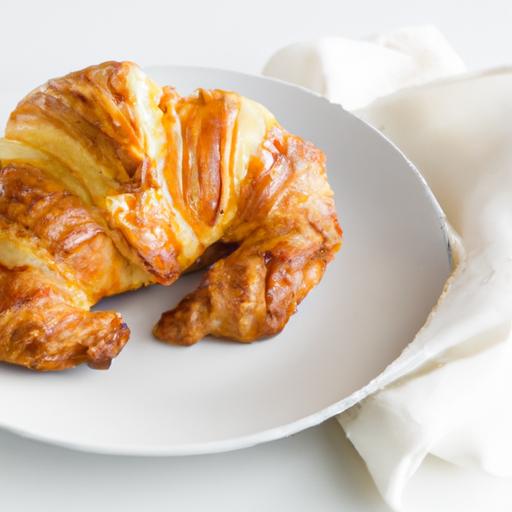

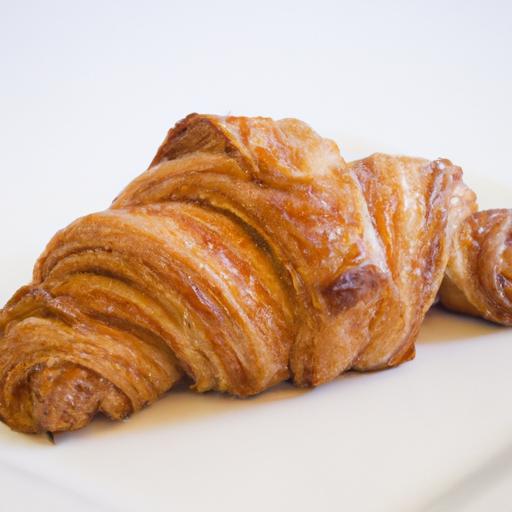
Few pastries embody the delicate balance of art and science quite like the croissant. With its golden,crisp exterior giving way to layers upon layers of airy,buttery flakes,this iconic treat has transcended mere confectionery to become a symbol of timeless craftsmanship. “Flaky Wonders: The Timeless Art of Croissant Craftsmanship” delves into the rich history, meticulous techniques, and enduring allure behind these crescent-shaped marvels. From the rhythmic folding of dough to the precise temperature of butter, join us as we explore the intricate process that transforms simple ingredients into a masterpiece of texture and flavor-a true testament to the patience and skill of bakers across generations.
Flaky Wonders: The timeless Art of Croissant Craftsmanship
Flaky wonders begin with an understanding of the delicate balance between butter and dough – a science as much as an art, crucial to achieving those irresistible layers that define a perfect croissant. Rooted in French tradition yet beloved worldwide, crafting a croissant that’s golden, airy, and tender requires mastering dough readiness techniques that marry precision with patience.
Prep and Cook Time
- Preparation: 3 hours (including chilling and resting)
- Active Work: 1 hour 15 minutes
- Baking: 15-20 minutes
- Total Time: Approx. 4 hours 15 minutes
Yield
Makes 12 classic croissants,perfect for sharing or enjoying across several days.
Difficulty Level
Advanced – ideal for confident bakers or those eager to deepen their pastry skills.
Ingredients
- 3 ¾ cups (480g) all-purpose flour, sifted
- 1 tbsp (15g) granulated sugar
- 2 tsp (10g) fine sea salt
- 1 tbsp (10g) instant yeast
- 1 ¼ cups (300ml) whole milk, cold
- 1 cup (225g) unsalted butter, cold for lamination
- 1 egg, beaten (for egg wash)
Instructions
- Make the Dough: In a large bowl, combine flour, sugar, salt, and instant yeast (keep salt and yeast on opposite sides initially). Slowly add the cold milk, mixing gently until a rough dough forms. Knead lightly for 5 minutes until smooth but still slightly tacky. Shape into a rectangle,cover with plastic wrap,and refrigerate for 30 minutes.
- Prepare the Butter Block: Shape the cold butter between two sheets of parchment into a 7×7-inch square. Chill it again until firm but pliable – essential for smooth lamination.
- Laminate the Dough: Roll the chilled dough into a 10×10-inch square on a floured surface. Place the butter block diagonally in the center. Fold each corner over the butter to seal it like an envelope.
- First Fold: Roll the dough into a 20×10-inch rectangle gently, keeping an even thickness to avoid tearing. Fold the dough into thirds,like a business letter (this is the first “turn”). Wrap and refrigerate for 30-45 minutes to rest.
- Second and Third Turns: Repeat the rolling and folding process two more times, chilling for 30-45 minutes between each turn. This multi-turn technique creates thin, flaky buttery layers that define the croissant.
- Shape the Croissants: After the final rest, roll the dough into a 20×10-inch rectangle. Cut into triangles approximately 5 inches wide at the base. Stretch each triangle gently, roll from base to tip, and curve ends slightly for that signature crescent shape.
- Proof the Dough: Place shaped croissants on parchment-lined baking sheets.Cover loosely with plastic to prevent drying. Proof at room temperature for 1.5-2 hours, until nearly doubled in size but not overproofed.
- Apply Egg Wash & Bake: Preheat oven to 400°F (200°C). Brush croissants lightly with beaten egg for a glossy crust. Bake for 15-20 minutes until deep golden brown and flaky. Rotate baking sheet halfway for even coloring.
Chef’s Notes: Tips for Success
- Temperature Control: Keeping ingredients cold is vital. Butter too warm will melt into the dough, destroying the layers; too cold, and it will crack when rolled.
- flour Choice: Use European-style all-purpose flour with higher protein for strong gluten development, which supports those airy layers.
- Patience Is Key: Don’t rush resting times. Allowing dough to chill firmly relaxes gluten and ensures butter and dough laminate smoothly.
- Substitutions: For a dairy-free version,try quality coconut oil butter blocks,but expect flavor & texture differences.
- Make-Ahead: After shaping, croissants can be frozen on baking sheets, then stored in bags for up to 2 months. Defrost and proof before baking.
Serving Suggestions
Serve croissants warm with a dusting of powdered sugar or alongside fresh fruit preserves and creamy butter. They pair beautifully with strong coffee or delicate teas. Garnish with edible flowers or a sprinkle of flaked sea salt for a modern twist that enhances the buttery crunch.

| Nutrient | Per Croissant (approx.) |
|---|---|
| Calories | 280 kcal |
| Protein | 6 g |
| Carbohydrates | 30 g |
| Fat | 14 g |
for further exploration of laminated doughs and pastry techniques, check out our Intermediate Pastry Techniques article. Learn more on the science of butter lamination from Encyclopedia Britannica.
Q&A
Q&A: Flaky Wonders – The Timeless Art of Croissant Craftsmanship
Q1: What makes a croissant truly remarkable?
A: At its core, a remarkable croissant is defined by its delicate balance of texture and flavor. The hallmark is its unmistakable flakiness-a crisp, golden exterior that shatters gently with each bite-paired with a tender, buttery interior that melts on the tongue. This harmony arises from a meticulous layering of dough and butter, creating dozens of thin sheets that puff up beautifully when baked.
Q2: How did the croissant become a symbol of pastry craftsmanship?
A: The croissant’s story is steeped in history and legend, weaving through cultures before settling as a French icon. Its intricate preparation demands patience,precision,and skill-qualities that elevate it beyond mere pastry. Because it requires careful folding,resting,and proofing to develop its signature layers,it serves as a testament to the baker’s expertise and dedication.
Q3: What is the traditional method of crafting a croissant?
A: traditional croissant making starts with a lean yeast dough enriched with butter. After the initial dough rests, a large slab of butter is encased within and folded repeatedly through a process called lamination. Each fold multiplies the layers, typically resulting in 27 to 81 sheets of dough and butter. The dough is then shaped, proofed until it nearly doubles in size, and baked to golden perfection.
Q4: Why is lamination so crucial in croissant making?
A: Lamination is the secret behind the croissant’s flaky texture. By folding the dough and butter together, steam generated during baking causes the layers to separate and puff. This technique creates the signature airy structure and buttery richness that distinguishes a croissant from simpler pastries.
Q5: Can croissants be made with option ingredients or techniques?
A: Absolutely. While classic croissants rely on butter, bakers sometimes experiment with margarine or plant-based fats to cater to dietary preferences or scale production. Artisan variations may introduce whole wheat flour, flavor infusions, or fillings, but purists often argue that these adaptations can alter the delicate balance intrinsic to the traditional craft.
Q6: How has the art of croissant making evolved in modern baking?
A: Modern baking blends tradition with innovation. While many artisan bakers honour classical methods, technology has introduced mechanized laminators and climate-controlled proofers, ensuring consistency and efficiency. Additionally, culinary creativity has expanded the croissant’s repertoire-saving it from stagnancy while still respecting its flaky foundation.
Q7: What should a croissant lover look for when choosing a bakery treat?
A: Seek out croissants with a lustrous, amber crust that offers a gentle shatter under your fingers. Inside, the crumb should be honeycombed and tender, with an unmistakably buttery aroma. Avoid pastries that seem dense, oily, or pale-these often signal shortcuts in craftsmanship or ingredient quality.
Q8: Why dose the croissant continue to captivate palates worldwide?
A: Beyond its delectable flavor and texture, the croissant embodies the timeless allure of artisanal skill. Each bite carries the heritage of centuries-old techniques, inviting us to savor not only a pastry but also a slice of culinary history. Its elegant simplicity, paired with the complexity of its craft, ensures that the croissant remains a beloved and enduring wonder.
Closing Remarks
As the final layers of butter and dough unfold, the croissant remains more than just a pastry-it is indeed a testament to patience, precision, and tradition. In every flaky bite lies a story passed down through generations, a quiet party of craftsmanship that transcends time. Whether enjoyed in a bustling Parisian café or crafted in a cozy kitchen far from France,the croissant continues to inspire both bakers and dreamers alike. Its timeless allure reminds us that sometimes, the simplest pleasures are those shaped by skill, patience, and a touch of artistry.