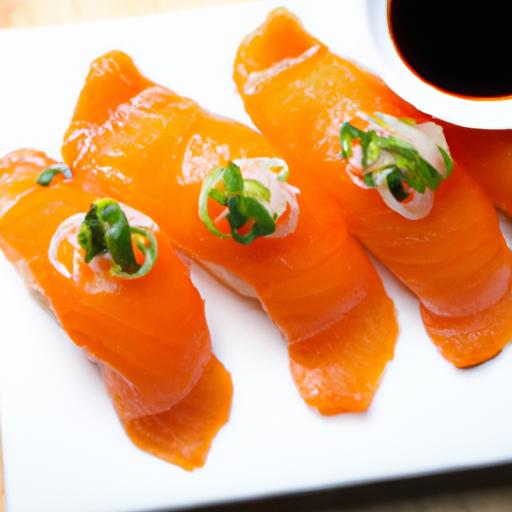

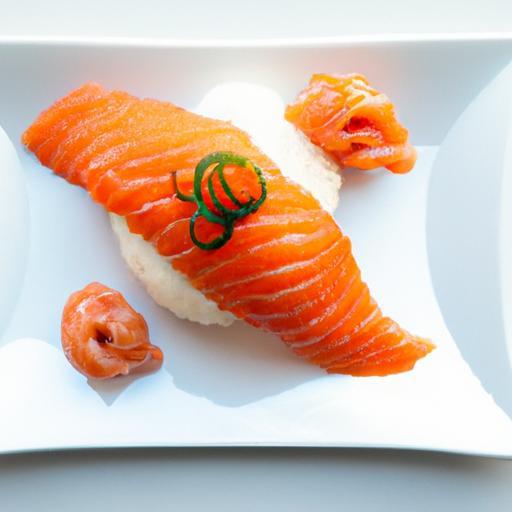
In the world of sushi, where artistry meets simplicity, classic salmon nigiri stands as a timeless emblem of balance and elegance. This humble yet exquisite creation-just a delicate slice of salmon draped over a small bed of seasoned rice-embodies a rich history and a refined mastery that has captivated palates across the globe. Beyond its minimalist appearance lies an intricate dance of flavor, texture, and technique, inviting both novice and connoisseur to explore the subtle nuances that make salmon nigiri sushi a true culinary art form. In this article, we delve into the craftsmanship and taste that define this iconic dish, revealing why it continues to hold a cherished place in both traditional and modern sushi culture.
The Art and Flavor of classic Salmon Nigiri sushi
The art and flavor of classic salmon nigiri sushi embody centuries of Japanese culinary tradition,where simplicity meets precision to celebrate the fresh,buttery richness of salmon paired with subtly seasoned sushi rice. Originating from Edo-period Tokyo, this dish reflects the beauty of minimalism and craftsmanship, inviting every home cook to experience an authentic taste of japan. I vividly recall my first journey crafting nigiri: the delicate balance between firmness and tenderness in shaping rice and selecting the freshest salmon still lingers as one of my most inspiring culinary moments.
Prep and Cook Time
- Readiness: 30 minutes
- Cook Time: 15 minutes (rice cooking and seasoning)
- Total Time: 45 minutes
Yield
serves 4 (approximately 16 pieces of salmon nigiri)
Difficulty Level
Medium – Requires careful attention to detail in rice preparation and fish slicing
Ingredients
- 1 ½ cups sushi rice (short-grain Japanese rice), rinsed thoroughly until water runs clear
- 1 ¾ cups water for cooking rice
- 4 tablespoons rice vinegar
- 2 tablespoons sugar
- 1 teaspoon fine sea salt
- 8 ounces fresh sashimi-grade salmon, skinless and sliced into ¼-inch thick strips
- Wasabi paste (optional, as per taste)
- Soy sauce for dipping
- Pickled ginger for cleansing the palate
- Fresh chives or microgreens for garnish (optional)
Instructions
- Prepare the sushi rice: Rinse the sushi rice under cold water until the water runs almost clear, removing excess starch for a firm yet sticky texture. Drain well.
- Cook the rice: Combine rinsed rice and 1 ¾ cups water in a heavy-bottomed pot with a tight-fitting lid. Bring to a boil, then reduce heat to low and simmer, covered, for 12-15 minutes. Remove from heat and let the rice steam for another 10 minutes without removing the lid.
- season the rice: In a small saucepan, gently warm rice vinegar, sugar, and salt until sugar dissolves completely. Transfer cooked rice to a wooden or plastic bowl (avoid metal), gently folding in the vinegar mixture using a fan or piece of cardboard to cool the rice and create a shiny glaze.Let rice reach room temperature.
- Slice the salmon: Using a very sharp knife,slice salmon against the grain into approximately ¾-inch wide,¼-inch thick slabs. This preserves tenderness and ensures melting texture on the tongue.
- Form the nigiri: Moisten your hands with water mixed with a pinch of salt to keep the rice from sticking. Take about 2 tablespoons of sushi rice and form it into an oval shape, gently compressing without squashing the grains.
- Assemble the nigiri: Lightly brush a small amount of wasabi on the underside of each salmon slice (optional).Place the salmon over the rice oval, pressing gently to adhere. Repeat until all rice and salmon are used.
- Serve: Arrange salmon nigiri sushi on a stylish platter. Garnish with fresh chives or microgreens if desired, and accompany with soy sauce and pickled ginger.
Tips for Success: Mastering the Extraflavor of Classic Salmon Nigiri Sushi
- Salmon Selection: Opt exclusively for sashimi-grade salmon,sourced from trusted fishmongers or specialty supermarkets. Look for vibrant, moist flesh with no discoloration or strong fishy odor.
- Rice Handling: Avoid over-compressing the rice. Each grain should be slightly sticky yet maintain individual texture to balance well against the silky salmon.
- Knife Technique: Keep your knife razor-sharp and slice salmon in a single smooth motion to prevent tearing or crushing the flesh.
- Make-Ahead: Sushi rice is best used the same day. If necessary, cover lightly with a damp cloth at room temperature; refrigeration will harden the rice and alter texture.
- Seasoning Variations: Try a light brush of yuzu kosho or ponzu sauce over the salmon for a citrusy brightness that complements fatty richness.
- Complementary Garnishes: Thinly sliced scallions or toasted sesame seeds add dimension without overpowering the delicate flavors.
Enhancing Taste with Complementary Seasonings and Sauces
While the unadorned fervor of fresh salmon nigiri sushi offers sublime flavor,the addition of subtle accents elevates each bite. A whisper of wasabi between salmon and rice awakens the palate with gentle heat, engaging the rich fattiness of the fish. Traditional soy sauce lends a salty umami depth-dip lightly to prevent overwhelming the delicate balance. For a modern twist, a few drops of ponzu sauce add a tangy brightness, while a sprinkle of toasted white sesame seeds introduces a nutty crunch. the key lies in moderation; each seasoning should accent rather than overshadow the pure harmony of classic salmon nigiri.
serving suggestions
Present your salmon nigiri sushi on a sleek wooden sushi board or a minimalist ceramic platter. Pair with a small dish of freshly grated wasabi,a bowl of aged soy sauce,and elegant pickled ginger slices for palate cleansing. A side of miso soup or light seaweed salad complements the flavors perfectly, providing refreshing contrast. Garnish the nigiri with tiny sprigs of microgreens or a few julienned scallions to infuse vibrant color and subtle freshness.
| Nutrient | Per Serving (4 pcs) |
|---|---|
| Calories | 160 |
| Protein | 14g |
| Carbohydrates | 22g |
| Fat | 4g |
Learn more about perfect sushi rice preparation to elevate your nigiri experience. For in-depth insights into fish safety and sourcing, visit the FDA’s sushi and sashimi safety guidelines.

Q&A
Q&A: The Art and Flavor of Classic Salmon Nigiri Sushi
Q1: What exactly is salmon nigiri sushi?
A1: Salmon nigiri sushi is a traditional Japanese delicacy featuring a slice of fresh, raw salmon delicately draped over a small mound of seasoned sushi rice. This simple combination highlights the natural flavors and textures of the ingredients, creating an elegant bite-sized experience.
Q2: How does salmon nigiri differ from other types of sushi?
A2: Unlike maki rolls, which are wrapped in seaweed and sliced into pieces, nigiri presents a more minimalist approach. The focus is on the harmonious pairing of the fish and rice, with minimal additional elements. Compared to other nigiri options, salmon offers a rich, buttery taste and a vibrant orange hue that’s visually inviting.
Q3: What makes salmon a popular choice for nigiri?
A3: Salmon boasts a smooth texture and a subtle, slightly sweet flavor that appeals to both sushi novices and connoisseurs alike. Its natural fattiness enhances the overall mouthfeel, making each bite luxuriously tender without overwhelming the palate.
Q4: How is the sushi rice prepared for nigiri?
A4: Sushi rice,or shari,is short-grain Japanese rice cooked and then seasoned with a blend of rice vinegar,sugar,and salt. This seasoning gives the rice a balanced tang and a sticky consistency, essential for shaping the rice mound that serves as the foundation of the nigiri.
Q5: what skills are involved in making perfect salmon nigiri?
A5: crafting ideal salmon nigiri requires precision and care. The sushi chef must slice the salmon against the grain at just the right thickness to ensure tenderness and ease of eating.Equally notable is molding the rice with gentle pressure so it holds together without becoming too dense. The balance between fish and rice is key to accentuating thier complementary flavors and textures.
Q6: Are there traditional garnishes or accompaniments served with salmon nigiri?
A6: Traditionally, a small dab of wasabi is placed between the salmon and rice, adding a subtle heat that enhances the fish’s freshness. Salmon nigiri is commonly accompanied by pickled ginger, or gari, which cleanses the palate between bites, and soy sauce for dipping, although dipping should be done sparingly to avoid overpowering the delicate flavors.
Q7: How has the perception of salmon nigiri evolved in global cuisine?
A7: Once primarily enjoyed in Japan, salmon nigiri is now a beloved staple worldwide, appreciated for its accessible flavor and lovely presentation. Its popularity has encouraged sushi chefs to explore innovative variations while respecting tradition, further cementing salmon nigiri’s status as a timeless classic.
Q8: Can salmon nigiri be enjoyed at home, and what should one keep in mind?
A8: Absolutely. Preparing salmon nigiri at home can be a rewarding experience, though sourcing high-quality, sushi-grade salmon is paramount for safety and taste.Attention to detail when cooking and seasoning the rice, as well as practicing slicing techniques, can elevate homemade nigiri from simple to sublime.
This Q&A aims to illuminate the artistry and sensory pleasure behind classic salmon nigiri, inviting readers to appreciate this sushi staple beyond its elegant simplicity.
Concluding Remarks
In the delicate balance of simplicity and precision, classic salmon nigiri sushi stands as a timeless testament to culinary artistry.Each piece encapsulates not just the freshness of the sea, but the skillful harmony between texture and flavor that has been perfected over generations. Whether enjoyed in a quiet moment of reflection or shared among friends, this humble yet elegant dish invites us to appreciate the subtle beauty found in tradition. As the last bite melts away, it leaves behind a lingering appreciation for the art and flavor that make salmon nigiri much more than sushi-it is an enduring experience of culture and craft.