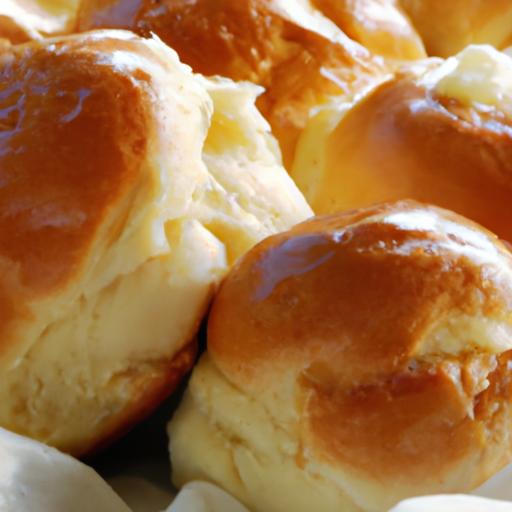

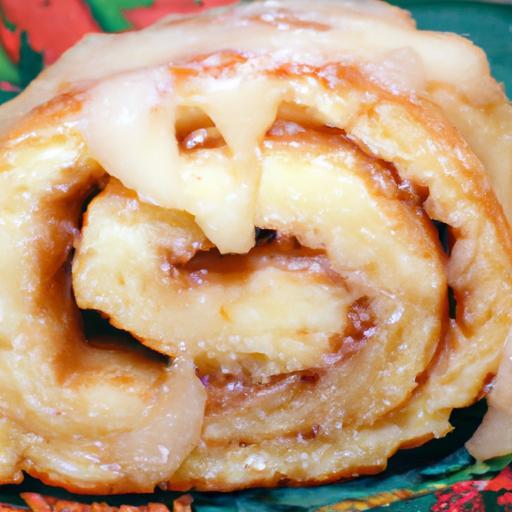
There’s something irresistibly comforting about a soft,pillowy bread that melts in your mouth with every bite-a sensation perfectly captured by Hawaiian sweet rolls. Often seen gracing holiday tables and neighborhood potlucks, these golden-hued rolls bring a touch of tropical warmth and subtle sweetness that makes them stand out from ordinary bread. But beneath their fluffy exterior lies a rich history intertwined with culture, innovation, and a dash of island charm. This is the story behind Hawaiian sweet rolls-the journey of how they came to delight taste buds far beyond the shores of Hawaii.
Fluffy delight begins with a story that spans oceans and cultures, marrying the sweetness of pineapple plantations with the warmth of Hawaiian hospitality. Hawaiian sweet rolls, cherished for their pillowy softness and subtly sweet flavor, are more than just a bread-they are an edible emblem of aloha spirit, blending influences from Asian, American, and Polynesian baking traditions. Their signature fluffiness and gentle sweetness evoke memories of family luaus and island gatherings, where every bite carries the essence of paradise.
Baking Time Breakdown
- Prep Time: 20 minutes
- Rise Time: 1 hour 30 minutes (two rises)
- Cook Time: 18-22 minutes
- Total Time: Approximately 2 hours 10 minutes
Yield
Makes 12 generously sized rolls
Difficulty Level
Medium – Ideal for bakers with some yeast experience
Ingredients
- 3 ½ cups all-purpose flour, sifted
- ⅓ cup granulated sugar
- 2 ¼ teaspoons active dry yeast (one packet)
- 1 cup warm pineapple juice (about 110°F/43°C)
- ⅓ cup unsalted butter, melted plus extra for brushing
- 1 large egg, at room temperature
- 1 teaspoon salt
- 2 tablespoons honey
- Optional: 1 teaspoon vanilla extract for added aroma
Instructions
- Activate the yeast: In a small bowl, whisk warm pineapple juice with sugar and yeast. Let it sit for 5-10 minutes until foamy, indicating the yeast is alive and ready.
- Mix wet ingredients: In a large mixing bowl, combine the melted butter, egg, honey, and vanilla extract if using. Whisk until smooth and glossy.
- Combine yeast mixture: Pour the activated yeast mixture into the wet ingredients, stirring gently to integrate.
- Add dry ingredients: Gradually add the sifted flour and salt to the wet mixture,mixing with a wooden spoon or dough hook attachment on low speed until the dough begins to come together.
- Knead the dough: Transfer to a lightly floured surface and knead by hand for about 8-10 minutes until smooth and elastic. Alternatively,use a stand mixer with a dough hook on medium speed for 6-7 minutes.
- First rise: Place the dough in a greased bowl,cover with a warm damp towel or plastic wrap,and let rise in a warm spot for about 1 hour,or until it doubles in size.
- Shape the rolls: Punch down the dough gently to release air bubbles. Divide into 12 equal pieces (about 60-65 grams each).Shape into smooth balls and arrange in a greased 9×13-inch baking pan, spaced slightly apart.
- Second rise: Cover again and let the rolls rise for another 30-40 minutes, until puffy and nearly doubled.
- Preheat oven: Set the oven to 350°F (175°C) while the rolls complete their second rise.
- Bake: Brush the tops with melted butter and bake for 18-22 minutes,or until golden brown and a skewer inserted comes out clean.
- Finish: Brush warm rolls with additional melted butter for an irresistible glossy sheen and a tender crust.
- Cool slightly: let cool in the pan for 10 minutes before serving to still enjoy the soft crumb inside.
Tips for Success: Achieve the Best Fluffy Delight
- Warm liquids matter: Ensure your pineapple juice is warm but not hot, or it can kill the yeast.
- Fresh yeast: Always check the yeast packet date and proof it to guarantee rise success.
- Don’t skimp on kneading: This develops gluten for that signature soft but resilient texture.
- Butter enhances softness: Incorporate unsalted butter both inside the dough and on top after baking for luscious moisture.
- Honey is key: It adds natural sweetness and tenderness, substituting it with maple syrup is possible but alters flavor subtly.
- Make ahead: Dough can be made ahead, refrigerated overnight after the first rise, then shaped and baked the next day.
Creative Serving Suggestions
These sweet rolls shine far beyond breakfast tables. Try them as slider buns packed with Hawaiian-style pulled pork or teriyaki chicken for a twist on a classic island plate.Split and lightly toast, then spread with tropical fruit jams or creamy coconut butter for an irresistible snack. For an indulgent dessert, slice horizontally, add vanilla ice cream and macadamia nut drizzle, and dust with toasted coconut flakes. The soft crumb and delicate sweetness invite endless innovation.

| Nutrient | Per Roll (approx.) |
|---|---|
| Calories | 180 kcal |
| Protein | 4 g |
| Carbohydrates | 28 g |
| Fat | 5 g |
Discover more about tropical recipes and island-inspired baking in our Tropical Baking Tips article. For additional insights on the history and cultural importance of bread around the world, the Encyclopedia Britannica offers complete and fascinating reading.
Q&A
Q&A: Fluffy Delight – The Story Behind Hawaiian Sweet Rolls
Q1: What exactly are Hawaiian sweet rolls?
A1: Hawaiian sweet rolls are soft, fluffy bread rolls with a subtly sweet flavor.Their texture is pillowy and moist, making them a favorite for sandwiches, sliders, or simply enjoyed warm with butter.
Q2: Where did Hawaiian sweet rolls originate?
A2: Despite their name, Hawaiian sweet rolls were popularized on the U.S. mainland, but their roots trace back to Hawaii’s diverse culinary history, where Asian, European, and Polynesian influences combined to inspire this uniquely sweet bread.
Q3: what makes Hawaiian sweet rolls different from other rolls?
A3: The distinct sweetness in these rolls typically comes from ingredients like pineapple juice or honey, which sets them apart from standard dinner rolls. Their softness is achieved through a combination of enriched dough, often with eggs and butter, resulting in that iconic fluffy texture.
Q4: How did Hawaiian sweet rolls gain popularity outside Hawaii?
A4: The surge in popularity came largely through the efforts of commercial bakeries such as King’s Hawaiian, which began mass-producing these rolls on the mainland in the mid-20th century. Their availability in grocery stores nationwide introduced many Americans to the inviting taste of Hawaiian sweet rolls.
Q5: Are Hawaiian sweet rolls used in customary Hawaiian cuisine?
A5: While not a traditional staple, these sweet rolls complement Hawaiian dishes perfectly. Their mildly sweet flavor pairs well with savory fillings like kalua pork, teriyaki chicken, or a tropical ham, reflecting the fusion nature of Hawaiian cuisine.
Q6: How can you enjoy Hawaiian sweet rolls at home?
A6: These rolls are incredibly versatile-warm them and spread with butter for a simple treat,use them to craft mini sandwiches or sliders,or even toast them lightly for breakfast with cream cheese and jam. Their sweet fluffiness makes them an everyday delight.
Q7: Can hawaiian sweet rolls be made from scratch?
A7: Absolutely! While it requires some patience and technique, homemade Hawaiian sweet rolls involve mixing enriched dough with sweet elements like pineapple juice and molasses, then allowing proper rising for that signature softness.
Q8: What cultural significance do Hawaiian sweet rolls hold today?
A8: Beyond their deliciousness, Hawaiian sweet rolls symbolize the blending of cultures that characterize Hawaii itself. They are a culinary reminder of the islands’ rich history of adaptation, fusion, and hospitality-inviting everyone to savor a taste of aloha.
Future Outlook
from the island kitchens where tradition meets warmth, Hawaiian sweet rolls have journeyed far beyond their tropical origins to become a beloved comfort in homes around the world. Their tender crumb and subtle sweetness tell a story not just of ingredients and baking, but of culture, community, and the simple joys of sharing food. Whether enjoyed fresh from the oven or transformed into a hearty sandwich, these rolls invite us to savor a little taste of aloha with every bite-proof that sometimes, the sweetest stories are found in the most unassuming treats.