

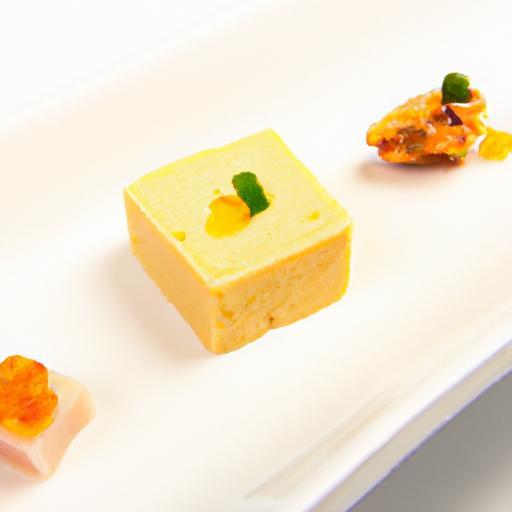
In the vast and vibrant world of sushi, where delicate slices of fresh fish often take center stage, there exists a humble yet captivating contender that delights the senses with its subtle sweetness and silky texture: Tamago Nigiri. This Japanese egg sushi, crafted from layered omelette gently pressed over vinegared rice, offers a unique blend of flavors and artistry that transcends its simple ingredients. More than just a palate cleanser or a beginner’s choice, Tamago Nigiri embodies a centuries-old tradition of culinary finesse, where patience, precision, and balance converge. Join us as we explore the sweet art behind this beloved Japanese delicacy and uncover the stories that make Tamago Nigiri a treasured jewel in the sushi repertoire.
Tamago nigiri stands as a cherished emblem of Japanese culinary tradition,offering a delicate balance of sweetness and softness that captivates sushi lovers worldwide. This egg sushi delight, beyond its inviting golden hue and silky texture, embodies centuries-old techniques and cultural nuances that transform simple ingredients into an exquisite experience. From its roots in edo-period street food to its revered place atop sushi counters, mastering Tamago Nigiri invites you to appreciate artisanal precision and the gentle art of balance in Japanese cuisine.
Prep and Cook Time
- Planning Time: 15 minutes
- Cooking Time: 10 minutes
- Total Time: 25 minutes
Yield
Serves 4 (8 pieces of Tamago Nigiri)
Difficulty Level
Medium – Requires skillful attention to layering and cooking technique to achieve the perfect texture.
Essential Ingredients for Authentic Tamago Nigiri
- 5 large eggs, free-range for best flavor
- 3 tbsp dashi stock (homemade or quality store-bought)
- 2 tbsp mirin (sweet rice wine)
- 1 tbsp sugar, finely granulated
- 1 tbsp soy sauce, low sodium preferred
- Pinch of salt
- neutral oil for pan greasing (vegetable or canola oil)
- Sushi rice, cooked and seasoned (about 1 cup, packed)
- Wasabi (optional, for subtle heat between nigiri layers)
Instructions: Crafting the Perfect Tamago Nigiri
- Prepare the egg mixture: In a mixing bowl, gently whisk eggs, dashi stock, mirin, sugar, soy sauce, and a pinch of salt until just combined. Avoid creating excessive foam to keep the texture silky.
- Heat your tamago pan or small non-stick skillet: Lightly grease it with a brush of neutral oil and warm over medium-low heat to prevent browning too quickly.
- Cook the first thin layer: Pour a small amount of the egg mixture to cover the pan’s surface thinly. Cook gently until set but still tender, about 1 minute.
- Roll and add layers: Using chopsticks or a spatula, carefully roll the cooked egg layer to one side of the pan.Oil the pan lightly again, pour in the next thin layer beneath the rolled egg, and cook until set. Roll this new layer over the previous roll. repeat this layering and rolling process until all the egg mixture is used, forming a multi-layered omelette approximately 1-inch thick.
- Shape the tamago block: transfer the rolled tamago to a bamboo sushi mat or parchment paper. Shape it gently into a compact rectangular shape while still warm; this ensures clean cuts.
- Slice and assemble nigiri: Once cooled to room temperature, slice the tamago roll into 1/2-inch thick pieces. With lightly oiled hands, shape the sushi rice into roughly 2-inch long oblong bites. Optionally place a dab of wasabi between rice and tamago. Place each tamago slice gently atop the rice, pressing lightly to adhere.
- Final touches: Serve promptly or cover with plastic wrap and chill slightly for improved flavor meld.
Tips for Success
- Use fresh, high-quality eggs to enhance the natural sweetness and tenderness.
- Maintain a low to medium heat throughout to avoid browning, which masks the delicate flavor.
- Patience is key: rolling each thin layer evenly results in the signature layered texture.
- If you don’t have a tamago pan, a small square or rectangular non-stick pan works perfectly.
- For vegan variations, consider using seasoned silken tofu pressed and sliced, though traditionalists will favor classic eggs.
- Make-ahead option: wrap tightly in plastic wrap and refrigerate for up to 1 day; bring back to room temperature before serving.
Pairing Tamago Nigiri with Complementary Flavors
To elevate the sensory journey of Tamago Nigiri, consider serving alongside delicate accompaniments that enhance its natural sweetness without overpowering. A light pickled ginger (gari) palate cleanser refreshes between bites, while a subtle drizzle of premium soy sauce adds umami depth. Pair with a refreshing green tea or a crisp, slightly floral sake to balance richness.
For texture contrast, a side of crunchy daikon radish salad or thin sliced cucumbers dressed in rice vinegar offers a delightful crispness. If serving in a sushi platter, include pieces like cucumber rolls or shiso leaf garnish for an authentic presentation. This multi-layered flavor approach furthers the enjoyment of Tamago Nigiri’s sweet, buttery essence.
Nutritional Data (per 2 pieces)
| Calories | Protein | Carbohydrates | Fat |
|---|---|---|---|
| 150 kcal | 8 g | 18 g | 4 g |

For deeper insight into authentic Japanese sushi techniques, explore our complete guide to sushi rice preparation, essential for crafting balanced and harmonious Tamago Nigiri.
Q&A
Q&A: Tamago Nigiri – The Sweet Art of Japanese Egg Sushi Delight
Q1: What exactly is Tamago nigiri?
A1: Tamago Nigiri is a type of sushi featuring a delicate slice of tamagoyaki-Japanese sweet rolled omelet-placed atop a small mound of vinegared rice. This elegant combination offers a harmonious balance of sweet, savory, and slightly tangy flavors, showcasing the artistry of Japanese culinary tradition.
Q2: How does tamagoyaki differ from a regular omelet?
A2: Unlike Western omelets, tamagoyaki is a layered rolled omelet cooked in a rectangular pan. It is indeed subtly sweetened with ingredients like sugar, mirin, and soy sauce, giving it a unique fluffy texture and nuanced sweetness that sets it apart from a typical egg dish.
Q3: Why is tamago nigiri considered a special sushi variety?
A3: While many people associate sushi with raw fish, tamago nigiri highlights the versatility of sushi beyond seafood. It’s often served at the end of a sushi meal as a palate cleanser or a comforting finish, symbolizing simplicity and refinement in Japanese cuisine.
Q4: What makes the rice in tamago nigiri unique?
A4: The sushi rice (shari) used is seasoned with a precise blend of rice vinegar, sugar, and salt, contributing a mild tang that complements the sweetness of the tamagoyaki. The rice is carefully formed so it holds together but remains tender, creating the perfect foundation for the egg topping.
Q5: Is tamago nigiri suitable for people who don’t eat raw fish?
A5: Absolutely! Tamago nigiri is an excellent choice for those who prefer cooked ingredients or are new to sushi. It’s mild in flavor and approachable, making it a favorite among kids and adults alike who appreciate subtly sweet tastes.
Q6: Can tamagoyaki be made at home for sushi purposes?
A6: Yes, though mastering the perfect tamagoyaki requires some practice. Key techniques include controlling heat, folding thin layers evenly, and balancing the seasoning. Many home cooks enjoy the challenge as it’s a rewarding way to bring authentic Japanese flavors to the table.
Q7: how is tamago nigiri traditionally served?
A7: Frequently enough adorned with a thin strip of nori (seaweed) to secure the egg to the rice, tamago nigiri is served with accompaniments like pickled ginger and wasabi. Its presentation emphasizes simplicity, allowing the vibrant yellow of the egg and the glossy sheen of the rice to shine.
Q8: What cultural significance does tamago nigiri hold in Japan?
A8: tamago nigiri is more than just a dish-it’s a symbol of sushi craftsmanship. Historically, the tamagoyaki’s sweetness and delicate texture demonstrated a sushi chef’s skill and attention to detail. It remains a beloved staple in sushi restaurants and home kitchens alike, embodying respect for tradition and taste.
Q9: Are there regional variations of tamago nigiri in Japan?
A9: While tamagoyaki’s basic preparation stays consistent, subtle regional differences exist in sweetness levels, thickness, and seasoning. Some areas prefer a more savory version, while others highlight the sweet notes, reflecting local palates and ingredients.
Q10: How can one best enjoy tamago nigiri?
A10: The ideal way to relish tamago nigiri is fresh, savoring the interplay between the lightly sweet egg and tangy rice with each bite. Pair it with green tea or a light sake to enhance the sensory experience of this complex yet comforting japanese egg sushi delight.
In Retrospect
In the delicate balance of flavors that define Japanese cuisine, Tamago Nigiri stands out as a gentle reminder that simplicity can be profoundly satisfying. This sweet, custardy egg sushi not only offers a unique taste experience but also carries with it centuries of culinary tradition and craftsmanship. Whether enjoyed as a comforting snack or a thoughtful conclusion to a sushi meal, Tamago Nigiri invites us to appreciate the subtle artistry behind sushi’s diverse forms-where even the humblest ingredients can become a delightful party on the palate.