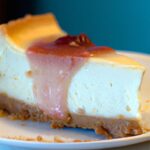

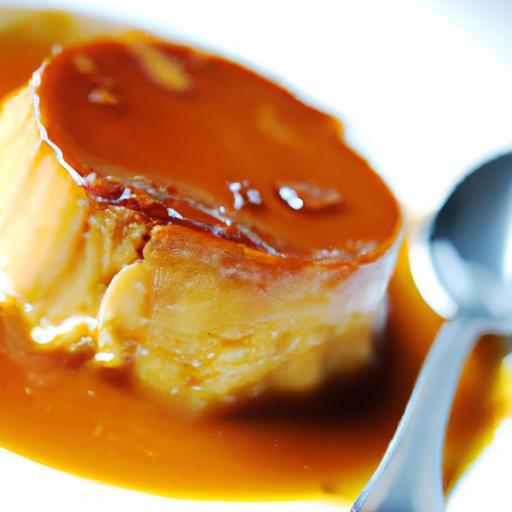
There’s something undeniably magical about the golden ribbon of caramel draped over a smooth, creamy flan-the way it glistens under the light, promising a delicate balance of sweetness and bitterness in every bite. Yet,mastering the art of perfect caramel can frequently enough feel like chasing a fleeting dream,as it demands both precision and patience. In this article, we’ll unravel the secrets behind creating that flawless caramel, guiding you step-by-step through the process to ensure yoru flan not only looks divine but tastes sublime. Whether you’re a seasoned baker or a curious novice, prepare to transform a simple sugar syrup into the crowning glory of your next dessert masterpiece.
Mastering the art of caramel for flan begins with understanding the delicate balance between sugar selection and technique.Choosing the right sugar profoundly influences the color,texture,and flavor of your caramel,setting the stage for that perfect golden hue and irresistibly smooth finish.
Choosing the Right Sugar and Understanding Its Impact on Caramel
Not all sugars are created equal in caramel making.Granulated white sugar is the most commonly used for its clean sweetness and reliable melting properties. However, alternatives like turbinado sugar or demerara sugar can add depth with their molasses undertones but often led to uneven caramelization, which might be less ideal for a delicate flan caramel layer.
Opting for pure granulated sugar ensures an even melt and predictable color change. The purity of the sugar minimizes impurities that could trigger crystallization, making it easier to reach that flawless amber without bitterness. Incorporating a small amount of water or a few drops of acid (like lemon juice or cream of tartar) can stabilize the process by preventing premature crystallization.
Techniques for Achieving the Ideal Golden Hue and Consistency
Start by evenly spreading the sugar in a heavy-bottomed saucepan, adding just enough water to moisten it – about ¼ cup per cup of sugar.Cooking over medium heat allows the sugar to dissolve slowly. Resist stirring early on; rather, gently swirl the pan to encourage even dissolution. As the mixture warms,bubbles form and color deepens from pale straw to a rich golden amber. This visual cue is key to stopping heat before the caramel turns too dark and bitter.
Once your caramel reaches a deep golden caramel hue, immediately remove it from the heat – the residual warmth will continue to deepen the color slightly. For achieving the ideal consistency, the caramel should be fluid but viscous; it will thicken as it cools but remain pourable to coat your flan mold perfectly.
Preventing Crystallization and Troubleshooting common Caramel Issues
Crystallization is the arch-nemesis of smooth caramel. To prevent sugar crystals from forming, ensure sugar dissolves completely before boiling. Avoid stirring once the sugary mixture starts bubbling vigorously, as this agitates crystals. Using a wet pastry brush to wash down the pan’s sides removes stray sugar crystals that could seed crystallization.
If you notice graininess in your caramel, gently warming it again with a touch of water may help dissolve unwanted crystals. Alternatively, starting fresh with clean equipment is sometimes the best solution. If bitterness arises, it often means caramelization has gone too far, and a fresh batch is advisable to keep the flavor pure and balanced.
Incorporating Caramel Seamlessly Into Your Flan for a Smooth Finish
Pour your warm caramel immediately into the flan mold or ramekins, tilting to coat the bottom evenly and slightly up the sides. The caramel cools and hardens rapidly, providing a glossy, crack-free base that melts beautifully once the custard is cooked and inverted. Timing is crucial-too cool and it becomes tough to spread; too hot and it risks burning your fingers or warping delicate molds.
When the flan comes out of the water bath, gently running a knife around the edge before flipping ensures the caramel releases perfectly, creating a mirror-like finish atop the creamy custard.
Prep and Cook Time
- Preparation Time: 10 minutes
- Cooking Time: 15 minutes
- Total Time: 25 minutes
Yield
Serves 6 elegantly portioned flans.
Difficulty Level
Medium – Requires patience and close attention to caramelization stages.
Ingredients
- 1 cup granulated white sugar
- ¼ cup water (for dissolving sugar)
- 1 teaspoon fresh lemon juice or cream of tartar (optional, to prevent crystallization)
- 6 large eggs
- 1 ½ cups whole milk
- 1 cup heavy cream
- ½ cup granulated sugar (for custard)
- 1 tablespoon pure vanilla extract
Instructions
- Prepare the caramel: In a clean, heavy-bottomed saucepan, combine granulated sugar, water, and lemon juice. Heat over medium without stirring.Gently swirl pan as sugar dissolves to promote even melting.
- Watch closely as color changes from clear to pale gold, then to an amber hue. When the caramel reaches a rich golden tone, promptly remove from heat.
- Pour caramel into your flan mold or individual ramekins, swirling to coat evenly.set aside.
- Prepare the custard: In a medium saucepan, heat milk and cream just until warm but not boiling. Remove from heat and stir in vanilla extract.
- In a large bowl, whisk eggs with granulated sugar until combined but not frothy. Slowly temper warm milk mixture into eggs, whisking constantly to prevent curdling.
- Pour custard mixture gently over the hardened caramel in the mold(s).
- Place the flan mold(s) inside a deep baking dish. Add hot water to the dish until it reaches halfway up the sides of the mold(s) to create a water bath.
- Bake at 325°F (160°C) for 50-60 minutes or until the custard is just set (a knife inserted near the center should come out clean).
- Remove from oven and cool to room temperature, then refrigerate for at least 4 hours, preferably overnight.
- To serve, run a knife gently around the edges. Invert flan onto a serving plate so the caramel glistens atop the custard.
Tips for Success
- Use a heavy-bottomed saucepan for even heat distribution and to avoid hot spots that cause burning.
- Be patient-caramel turns quickly from golden to burnt within seconds; never leave it unattended.
- If crystallization starts, add a tablespoon of water and gently stir to dissolve crystals, or wipe the pan edges with a wet brush early during heating.
- Warm your milk and cream before mixing with eggs to prevent curdling and ensure a silky custard.
- Make caramel just before pouring into molds to maintain fluidity and ease of spreading.
- Internal link for custard tips: Perfect Flan Custard Techniques
- For more scientific insight, visit the Cook’s Info caramel guide.
Serving Suggestions
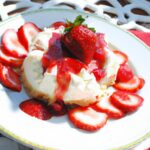
Plate your flan with a small dollop of freshly whipped cream and a sprig of mint or edible flowers for a complex look. A few thinly sliced fresh berries on the side complement the caramel’s sweetness with vibrant acidity. Serve chilled on a lightly decorated dessert plate to highlight the caramel’s glossy finish, enticing the eye before the very first bite.
| Nutrient | Per Serving |
|---|---|
| Calories | 290 kcal |
| Protein | 6 g |
| carbohydrates | 34 g |
| fat | 14 g |

Q&A
Q&A: Mastering the Art: How to Make Perfect Caramel for Flan
Q1: Why is caramel so essential to a perfect flan?
A1: Caramel is the golden heart of flan. Its rich, deep sweetness balances the creamy custard, adding complexity and that signature glossy top. Without well-made caramel,flan loses its defining flavor and visual appeal.
Q2: What type of sugar is best for making caramel?
A2: Granulated white sugar is the classic choice for caramel. its pure sweetness and fine crystals melt evenly, creating a smooth amber liquid. Though,some chefs experiment with raw or brown sugar for a different flavor note,though the texture may vary.
Q3: Should I add water when making caramel, and why?
A3: Adding a small amount of water helps dissolve the sugar evenly and prevents premature crystallization. This “wet caramel” method allows better control over cooking, leading to a more uniform color and smoother consistency.
Q4: How do I know when the caramel is ready?
A4: Caramel progresses through stages, from pale yellow to deep amber. For flan, aim for a rich amber hue-too light and it tastes flat; too dark and it becomes bitter. A subtle, nutty aroma signals it’s time to remove from heat immediately.
Q5: How can I prevent the caramel from crystallizing?
A5: Avoid stirring once the sugar dissolves to prevent crystals forming. Also, rinse down any sugar crystals clinging to the pan sides with a wet pastry brush. Using water at the start and cooking gently further reduces the risk.
Q6: What’s the best way to pour caramel into the flan mold?
A6: Pour the hot caramel carefully into the mold and immediately swirl it around to coat the bottom evenly before it hardens.Work quickly but safely, as caramel is extremely hot.
Q7: Can I prepare caramel ahead of time?
A7: While you can make caramel in advance, it hardens as it cools and can be sticky to work with. It’s best to pour it into the mold just before adding the custard for the best texture and flavor integration.Q8: Are there common mistakes to avoid when making caramel for flan?
A8: yes.Common pitfalls include overheating the sugar (leading to bitterness), stirring too much (causing crystallization), and pouring caramel in a cold mold (which can crack the glass). Attention to timing and temperature is key.
Q9: How does altitude affect caramel-making?
A9: At higher altitudes, water boils at lower temperatures, which can affect caramelization. you may need to adjust cooking times slightly and watch the color closely to achieve the perfect caramel.
Q10: Any tips for beginners mastering caramel?
A10: Patience is your best ally. Use a heavy-bottomed pan for even heat distribution, have all tools ready, and resist the urge to rush or stir too early. As you gain experience, you’ll develop an intuitive feel for the perfect caramel.
In Retrospect
In the delicate dance of crafting the perfect flan, mastering the caramel is the pivotal step that elevates a simple dessert into a culinary masterpiece. With patience, attention, and a few tried-and-true techniques, creating that rich, amber-hued caramel becomes less of a challenge and more of an art form. Whether you’re a seasoned baker or a curious novice, embracing the nuances of caramelization unlocks a world of textures and flavors that make each bite unforgettable. So next time you prepare flan, remember: the perfect caramel isn’t just an ingredient-it’s the heart of the experience.