
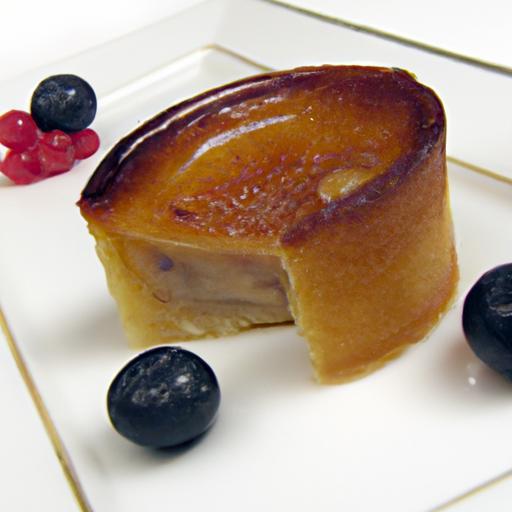
There’s an unmistakable charm to a perfectly baked tart-a delicate balance of crispness, buttery richness, and a subtle sweetness that sets the stage for any filling it cradles. At the heart of this artisanal creation lies pâte sucrée, the foundational sweet tart dough that transforms simple ingredients into a canvas of culinary artistry.Mastering pâte sucrée not only unlocks the secrets to flawless tarts but also invites home bakers and professionals alike to explore the timeless craft of pastry-making. In this article, we delve into the essential techniques and principles behind this classic dough, guiding you through the basics that will elevate your sweet tart creations from ordinary to remarkable.
Understanding the foundations of Pâte Sucrée and Its Unique Texture begins with appreciating the harmony between precise ingredients and gentle technique that transforms simple components into a beautifully tender and flavorful sweet dough. This classic French tart crust is cherished for its crisp yet melt-in-your-mouth texture, making it an exquisite base for countless desserts.
Pâte Sucrée’s charm lies in its delicate balance: it’s rich and buttery but not flaky like puff pastry, with a subtle sweetness that enhances fresh fruit tarts, decadent ganaches, or creamy custards.Achieving this perfect texture demands careful selection of ingredients, a mindful approach to mixing, and thoughtful handling to avoid overworking gluten, which can toughen the dough.
selecting the Perfect Ingredients for a Tender and Flavorful Sweet Dough
Every element in this recipe plays a critical role in the final texture and flavor. Start with high-quality unsalted butter, chilled and cubed-its fat content is essential for the dough’s tenderness. Use all-purpose flour, sifted to ensure even mixing and a finer crumb structure. powdered sugar integrates more smoothly than granulated, lending a gentle sweetness and subtle melt-in-your-mouth sensation. cold whole eggs or yolks bind without excess moisture, while a pinch of salt rounds the flavor profile, balancing the sweetness.
Techniques for Mixing and Handling to Avoid overworking the Dough
When preparing pâte sucrée,the key is minimal handling to prevent gluten activation,which toughens the crust. Begin by creaming butter and sugar until just combined-avoid overbeating to keep the mixture from becoming too airy or soft. Then, fold in the sifted flour and salt using a gentle folding motion rather than aggressive stirring. Add the eggs last, folding just until the dough comes together.
Once mixed, shape the dough into a flat disk and wrap it tightly before chilling. This resting period allows the butter to firm up and the flour to hydrate evenly, making rolling easier and reducing shrinkage during baking. When rolling, work quickly and handle the dough gently, dusting with flour as needed to prevent sticking without adding excess.
baking Tips to Achieve a Crisp Crust with a Buttery,Melt-in-Your-Mouth Finish
Blind baking is essential to secure the pâte sucrée’s crisp texture. Use pie weights or dried beans on parchment paper to keep the dough flat and prevent bubbling. Bake initially at a moderate temperature (around 350°F / 175°C) until the edges set, then remove weights and finish baking to a lovely golden color.This two-stage process ensures a crust that supports fillings while retaining its delicate crunch and buttery richness.
For that signature melt-in-the-mouth finish, avoid over-baking. Watch for subtle color changes-when the edges turn golden and the base is firm but not overly browned,your tart shell is ready. Cooling the tart case thoroughly before adding filling preserves the crust’s texture and prevents sogginess.
Prep and cook Time
- Preparation: 20 minutes
- Chilling: 1 hour
- Baking: 25-30 minutes
- Total Time: Approximately 1 hour 50 minutes
Yield
One 9-inch (23 cm) tart shell, serving 8
Difficulty Level
Medium – Requires attention to mixing and chilling but approachable with clear steps
Ingredients
- 1 cup (120g) all-purpose flour, sifted
- 1/2 cup (115g) unsalted butter, chilled and cubed
- 1/4 cup (30g) powdered sugar, sifted
- 1 large egg yolk, cold
- 1-2 tablespoons cold water (optional, as needed)
- 1/4 teaspoon fine sea salt
Instructions
- Combine the butter and powdered sugar: In a chilled mixing bowl, cream the cubed butter and powdered sugar together using a pastry cutter or your fingertips until the mixture is just smooth and uniform. Avoid overworking to maintain a tender texture.
- Add the egg yolk: Mix in the egg yolk gently until incorporated, keeping the dough cool and pliable.
- Fold in the flour and salt: Sift the flour and salt over the butter mixture in two additions, folding carefully with a spatula until it comes together. If the dough feels too dry, add cold water one teaspoon at a time until cohesion.
- Form and chill: Shape the dough into a flat disc about 1-inch thick, wrap tightly in plastic wrap, and refrigerate for 1 hour to firm up.
- Roll out the dough: On a lightly floured surface, roll the dough out evenly to about 1/8 inch thickness. Carefully transfer to a 9-inch tart pan, pressing the dough into edges and trimming excess.
- Chill before baking: Place the tart shell in the refrigerator for another 15 minutes to prevent shrinking during baking.
- Blind bake: Preheat the oven to 350°F (175°C). Line the tart shell with parchment paper and fill with pie weights or dried beans. Bake 15 minutes, remove weights and parchment, then bake an additional 10-15 minutes until golden and crisp.
- Cool wholly: Allow the tart shell to cool on a wire rack before filling to ensure a crisp, buttery finish.
Tips for Success
- Butter temperature matters: Use cold butter to keep the dough flaky but tender; if butter softens too much, chill the dough again before rolling.
- Handle dough minimally: Over-mixing activates gluten, leading to a tough crust. Stop as soon as the dough just forms.
- Chill, chill, chill: Resting the dough solidifies fats and relaxes gluten, resulting in less shrinkage and easier rolling.
- Use pie weights when blind baking: This prevents bubbling and uneven edges, preserving the dough’s delicate crispness.
- For variations: Substitute half the all-purpose flour with almond flour for a nutty undertone or infuse sugar with vanilla bean for aromatic sweetness.
- Make ahead: Prepare and freeze baked tart shells for up to one month; thaw at room temperature before filling.
Serving Suggestions
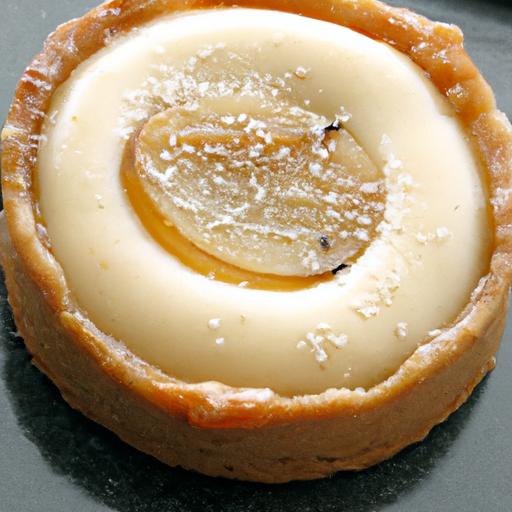
Pâte Sucrée’s buttery crispness complements a variety of elegant fillings. For a classic French experience, fill your tart shell with silky vanilla pastry cream and top with fresh seasonal berries, dusted lightly with powdered sugar. Or opt for a rich chocolate ganache finished with toasted almonds for texture contrast. Garnish with edible flowers or a thin glaze of apricot jam to enhance shine and freshness.
| Nutrient | Amount per Serving |
|---|---|
| Calories | 180 kcal |
| Protein | 2g |
| Carbohydrates | 15g |
| Fat | 12g |

learn more about pastry techniques by visiting the Culinary Institute of America’s pastry school for authoritative baking tips.
Q&A
Q&A: The Art of Pâte Sucrée – Mastering Sweet Tart Dough Basics
Q1: What exactly is pâte sucrée?
Pâte sucrée is a classic French sweet tart dough, known for its crisp yet tender texture and subtly buttery flavor. Unlike flaky pastry doughs, it has a short, cookie-like crumb that perfectly complements fruit tarts, custard fillings, and other delicate desserts.
Q2: How does pâte sucrée differ from pâte sablée or pâte brisée?
While all three are French tart doughs, pâte sucrée is sweeter and richer than pâte brisée, which is savory and flaky. Pâte sablée is similar in sweetness but has a sandy,crumbly texture due to higher sugar and sometimes almond flour. Pâte sucrée strikes a balance-it’s sweet but structured enough to hold fillings without becoming too crumbly.
Q3: What are the key ingredients in pâte sucrée?
The essentials include all-purpose flour, unsalted butter, powdered sugar, egg yolks, and a pinch of salt. Sometimes vanilla or almond extract is added for extra aroma. The richness comes from the butter and eggs, while powdered sugar helps achieve a smooth, tender dough.
Q4: Is there a foolproof method to make the perfect pâte sucrée?
One crucial step is to avoid overworking the dough. mix until just combined to prevent gluten advancement, which can toughen the crust. Typically, you start by creaming butter and sugar gently, then add egg yolks before folding in flour. After forming a disc, chilling the dough is essential to relax the gluten and firm up the butter.
Q5: Why is chilling the dough so important?
Chilling solidifies the butter, which helps create that tender, crumbly texture after baking. It also prevents shrinkage and makes rolling out the dough easier. Ideally, chill the dough for at least an hour before rolling.
Q6: How can I avoid a soggy tart base when using pâte sucrée?
Blind baking-pre-baking the crust before adding filling-is key. Line the dough with parchment and fill with pie weights or dried beans to keep it flat during baking. Also, brushing the crust with a thin layer of melted chocolate or beaten egg white after blind baking can create a moisture barrier.
Q7: Can pâte sucrée be made ahead of time or frozen?
Absolutely. Dough can be prepared in advance and kept refrigerated for up to 2 days or frozen for up to 1 month. Just thaw overnight in the refrigerator before use.
Q8: What types of fillings work best with pâte sucrée?
Its buttery sweetness pairs wonderfully with fresh fruit and creamy fillings-think lemon curd, pastry cream, chocolate ganache, or tart berries. The crispy crust provides a perfect contrast to smooth, luscious fillings.
Q9: Are there any common mistakes beginners should watch out for?
Overmixing the dough or warming the butter too much are two pitfalls. Both can led to tough pastry. Also,rolling the dough too thin or handling it excessively can cause cracks. Be gentle, chill frequently enough, and don’t rush.Q10: Any final tips for mastering pâte sucrée?
Patience and practice. Each step-from creaming butter to chilling the dough-impacts the final texture.Use quality butter, keep ingredients cold, and don’t hesitate to experiment with flavors like citrus zest or spices to make your signature tart dough stunning.
In Summary
As the final crumb falls into place, the art of pâte sucrée reveals itself not just as a step in baking, but as a delicate balance of technique and intuition. Mastering this sweet tart dough unlocks a world where buttery, crisp shells cradle luscious fillings, elevating simple ingredients into elegant desserts. Whether you’re a seasoned baker or just beginning your pastry journey, understanding the basics of pâte sucrée sets the foundation for endless creativity-inviting you to transform each tart into a personal masterpiece worth savoring.