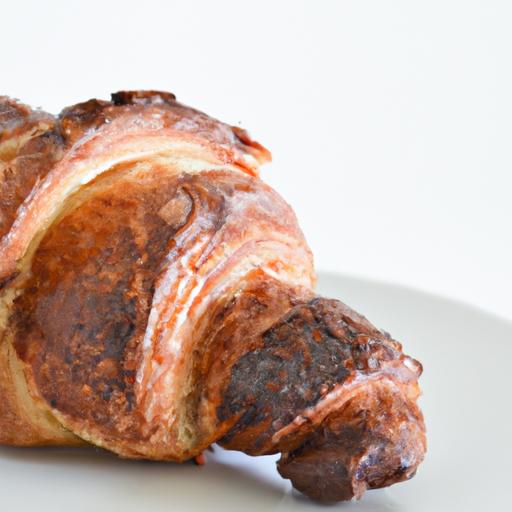

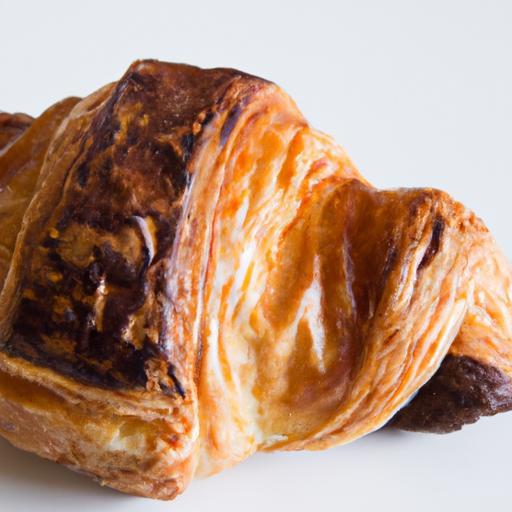
There’s a timeless allure to the classic chocolate croissant-an elegant pastry that effortlessly marries flaky, buttery layers with rich, velvety chocolate. Beyond its simple ingredients lies a delicate craftsmanship that invites both comfort and indulgence with every bite. Whether savored at a bustling café or enjoyed quietly at home, the chocolate croissant’s irresistible charm continues to captivate palates around the world, proving that some culinary traditions never go out of style.
Classic chocolate croissants stand as an epitome of culinary delight, where the art of flaky layers and velvety chocolate filling come together to create an unforgettable sensory experience. Rooted in French patisserie tradition, these irresistible pastries fuse buttery, delicate layers with rich chocolate that melts seamlessly with each bite. Whether freshly baked or carefully selected from a trusted bakery, the harmony of texture and flavor makes every chocolate croissant a little moment of luxury worth savoring.
Prep and Cook Time
- Prep Time: 45 minutes (plus 3 hours resting/laminating time)
- cook time: 15-20 minutes
Yield
8 classic chocolate croissants
Difficulty Level
Intermediate to Advanced – patience and precision are key to perfect flaky layers
Ingredients
- 3 ½ cups all-purpose flour,sifted
- ¼ cup granulated sugar
- 2 tsp instant yeast
- 1 tsp fine sea salt
- 1 ¼ cups cold whole milk
- 1 cup unsalted butter,cold and cut into thin sheets
- 8 oz high-quality dark chocolate batons or chopped dark chocolate (60-70% cocoa)
- 1 large egg,beaten (for egg wash)
Instructions
- Prepare the dough: In a large bowl,mix the sifted flour,sugar,instant yeast,and salt. Gradually add cold milk and stir to form a rough dough. Knead for 5-7 minutes until soft but not sticky. Shape into a rectangle, cover with plastic wrap, and refrigerate for 30 minutes.
- Laminate with butter: Place the cold butter sheets between two sheets of parchment paper and bash gently with a rolling pin to form a 7×7 inch square.Chill briefly to keep firm but pliable.
- Incorporate the butter: On a lightly floured surface, roll the dough into a 10×20 inch rectangle. Place the butter square on one half and fold the dough over, sealing edges. Roll gently to maintain thickness.
- Perform three folds: Fold the dough into thirds like a letter, rotate 90 degrees, and roll out again to 10×20 inches. Repeat folding process two more times, chilling for 30 minutes between folds. This creates the flaky layers essential for the perfect croissant.
- Shape the croissants: Roll dough to about ¼ inch thick, cut into 8 rectangles approximately 3×5 inches each. Place a strip of dark chocolate on one edge and roll tightly but gently to enclose, ensuring the chocolate doesn’t escape during baking.
- Proof the croissants: Arrange on a parchment-lined baking sheet, cover loosely with plastic wrap or a towel, and proof at room temperature for 1.5-2 hours until puffy and lightly risen.
- Apply egg wash: Brush each croissant gently with beaten egg for a glossy, golden finish without breaking the dough’s delicate surface.
- Bake: preheat oven to 375°F (190°C). Bake croissants for 15-20 minutes, rotating the tray halfway for even browning. Look for rich golden color and distinct layers separating slightly.
- Cool and serve: Let croissants rest for 10 minutes on a wire rack to maintain flakiness before serving.
Tips for Success
- Use cold ingredients to prevent butter from melting prematurely, ensuring crisp, defined layers.
- Don’t rush the proofing stage; proper rising is crucial for airy texture.
- For convenience, prepare dough a day ahead and refrigerate overnight after the final fold.
- High-quality dark chocolate with a smooth melting profile enhances the signature velvety filling.
- Maintain proper lamination techniques to achieve delicate layering, a hallmark of the classic chocolate croissant experience.
- Freeze unbaked croissants on a tray and transfer to a sealable bag for up to one month; bake from frozen adding a few extra minutes.
Serving Suggestions
Present warm, fresh from the oven with a dusting of powdered sugar or a light brush of melted butter for extra shine. Pair beautifully with a steaming cup of black coffee or a velvety latte for an authentic Parisian café vibe. Garnish plates with fresh berries or a side of whipped cream to contrast the rich chocolate’s decadence.

| Nutrient | Per Croissant |
|---|---|
| Calories | 320 kcal |
| Protein | 5 g |
| Carbohydrates | 28 g |
| Fat | 20 g |
Mastering this recipe lets you create chocolate croissants worthy of a bakery display, embodying the essence of the art of flaky layers and velvety chocolate filling.For more inspiring French pastry recipes, explore our French Patisserie Classics collection.
Q&A
Q&A: The Irresistible Charm of Classic Chocolate Croissants
Q1: What makes a classic chocolate croissant so special compared to other pastries?
A: The classic chocolate croissant, or pain au chocolat, is a harmonious blend of buttery, flaky puff pastry and rich, velvety dark chocolate. Its charm lies in this perfect marriage of texture and flavor – the crisp layers give way to a tender, melt-in-your-mouth interior, while the chocolate adds just the right amount of bittersweet indulgence.Unlike other pastries that may rely on complex fillings or toppings, the classic chocolate croissant’s simplicity is its strength.
Q2: How did the chocolate croissant originate?
A: Though often associated with France, the chocolate croissant has roots that trace back to Viennese pastry traditions, specifically the kipferl. French bakers adapted this concept, combining puff pastry and chocolate to create what we now recognize as the classic chocolate croissant. Over time, it became a beloved staple in French boulangeries and around the world.
Q3: What qualities should one look for in a truly excellent chocolate croissant?
A: The hallmark of excellence starts with the dough: it must be visibly layered, golden, and crisp on the outside but tender inside. When broken open, it reveals airy, buttery layers that don’t feel greasy. The chocolate should be high quality, dark or semi-sweet, melted to a silky finish without overwhelming the pastry. The balance between pastry and chocolate is key – neither should overpower the other.
Q4: Why does the classic chocolate croissant continue to captivate modern palates?
A: In a world full of experimental desserts, the classic chocolate croissant offers comforting familiarity with an elegant twist. Its timeless appeal is rooted in the sensory pleasure of warm, flaky pastry paired with luscious chocolate – a combination that evokes nostalgia and simple joy. Moreover, its versatility as a breakfast treat, a midday indulgence, or a leisurely cafe companion makes it a universally cherished delight.
Q5: Can the chocolate croissant be considered a symbol of French culinary culture?
A: Absolutely.While pastries exist globally, the chocolate croissant embodies the French dedication to craft, quality ingredients, and culinary tradition. It represents the art of baking elevated to everyday enjoyment,embodying both sophistication and approachability. It’s a delicious reminder of the cultural importance placed on savoring life’s small pleasures.
Q6: how should one best enjoy a classic chocolate croissant?
A: Ideally, enjoy it fresh and warm – straight from the oven or gently reheated to awaken the butter and chocolate. Pair it with a cup of rich coffee or a velvety hot chocolate to complement its flavors. Savor each bite slowly to appreciate the contrast of textures and the comforting warmth of melted chocolate nestled within layers of flaky pastry.
Closing Remarks
the classic chocolate croissant remains more than just a pastry-it’s a delightful bridge between tradition and simple pleasure. Its flaky layers and rich, molten center continue to captivate taste buds and hearts alike, proving that some culinary charms never fade. Whether enjoyed in a bustling café or the quiet comfort of home, this timeless treat invites us all to savor a moment of understated indulgence.