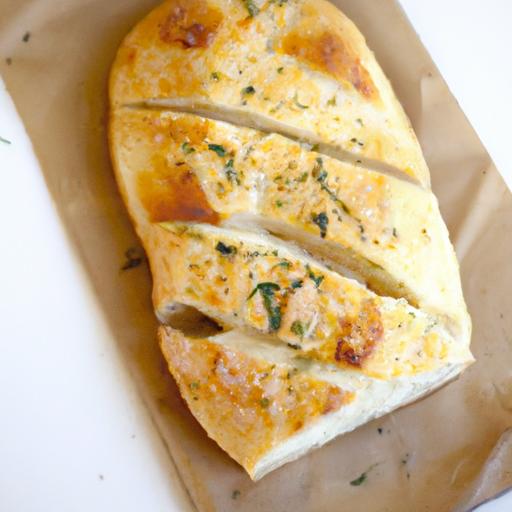

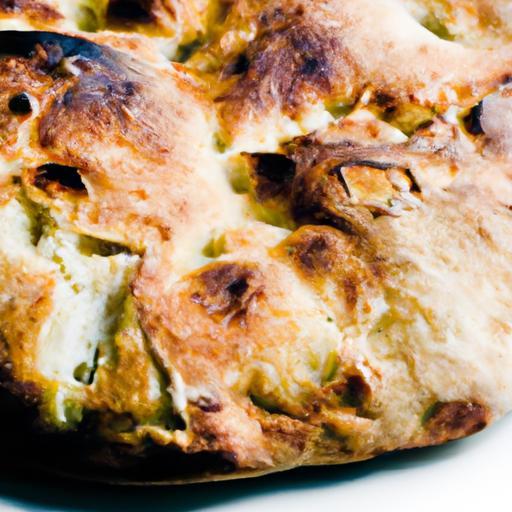
There’s something undeniably magical about sourdough – its tangy depth, airy crumb, and the artful patience that transforms simple ingredients into a beloved staple. Now, imagine this time-honored tradition meeting the golden, herb-kissed delight of focaccia.Welcome to Bake Bliss, where we unveil an easy sourdough focaccia recipe that captures the perfect harmony of flavor and texture without the fuss. Whether you’re a seasoned baker or just starting your bread-making journey,this recipe promises a satisfying experience and a delicious result that brings a slice of rustic charm right to your kitchen.
Sourdough focaccia is a truly delightful expression of rustic Italian baking, where simple ingredients transform into a golden, crispy-on-the-outside yet airy and fluffy-on-the-inside masterpiece. This easy sourdough focaccia recipe balances the tangy depth of naturally fermented sourdough with the herbaceous aroma of olive oil and fresh toppings. Perfect for any occasion, it brings warmth to your kitchen and evokes the charm of traditional artisan breadmaking.
Prep and Cook Time
- Preparation: 20 minutes
- First Rise: 4-6 hours (room temperature)
- Proofing: 1-2 hours
- Baking: 20-25 minutes
- Total: Approximately 6-8 hours (including fermentation)
Yield
One focaccia loaf, serving 6-8 people as a side or snack.
Difficulty Level
Medium – great for passionate home bakers ready to elevate their bread game.
Ingredients That Bring Your Sourdough Focaccia to Life
- 3 cups (360g) all-purpose flour, sifted
- 1 cup (240g) active sourdough starter (100% hydration)
- 1 cup (240ml) warm water (room temp to slightly warm)
- 1 tsp fine sea salt
- 2 tbsp extra virgin olive oil, plus more for drizzling
- 1 tbsp fresh rosemary, finely chopped (or 1 tsp dried rosemary)
- Coarse sea salt, for sprinkling
- optional toppings: cherry tomatoes, kalamata olives, caramelized onions, flaky sea salt, or garlic confit
Step by Step Guide to Perfectly Crispy and Fluffy Focaccia
- Mix your dough: In a large bowl, combine the sourdough starter and warm water. Stir until the starter dissolves. Gradually add the sifted flour and salt. Mix until a shaggy dough forms-no need for kneading yet.
- Bulk fermentation: Cover the dough loosely with a damp towel or plastic wrap. Let it rest at room temperature for 4 to 6 hours. During this time, perform 2 sets of stretch-and-folds at 30-minute intervals to build gluten structure and achieve that airy texture.
- Prepare your baking pan: Generously oil a 9×13-inch baking pan with extra virgin olive oil. Transfer your dough into the pan and gently stretch it out to fit without tearing.
- Final proof: Cover again and let the dough rise for another 1 to 2 hours.It shoudl puff up noticeably and fill the pan.
- Create dimples: Using your fingertips, press gently but firmly all over the dough surface to create characteristic dimples. Drizzle with generous olive oil, sprinkle chopped rosemary, coarse sea salt, and add any toppings of your choice.
- Bake to golden perfection: Preheat your oven to 450°F (230°C). Bake the focaccia for 20 to 25 minutes until the crust is crisp and golden brown, and the interior springs back when lightly pressed.
- Cool and serve: Remove from the oven and let cool in the pan for 10 minutes before transferring to a rack. This rest helps retain moisture inside, keeping your focaccia irresistibly fluffy.
Tips for Customizing Flavors and Toppings with Ease
- For a mediterranean flair,add halved cherry tomatoes,torn basil,and crumbled feta before baking.
- Try caramelized onions and sage for a sweeter, aromatic touch.
- Swap rosemary for thyme or oregano based on your herb preference.
- Infuse extra virgin olive oil with garlic or chili flakes prior to drizzling for a subtle heat and richness.
- Add a sprinkle of coarse sea salt right after baking to enhance and contrast the focaccia’s richness.
Common Mistakes to Avoid for Consistent Baking Success
- Avoid over-kneading-letting fermentation and stretch-and-folds work gradually yields better crumb and texture.
- Don’t skip oiling the pan adequately; it prevents sticking and contributes to that beautifully crisp crust.
- Ensure your sourdough starter is active and bubbly before starting; a sluggish starter will slow fermentation drastically.
- Under-proofing results in a dense bread-watch the dough rise rather than the clock.
- Baking at too low a temperature creates a pale, gummy crust; 450°F (230°C) is optimal.
Chef’s Notes for Sourdough Focaccia Success
Feel free to prepare your dough the night before by refrigerating during bulk fermentation. This slow cold ferment enhances flavor complexity and allows a perfectly timed baking schedule. Before baking, remove from fridge and allow the dough to come to room temperature and puff slightly.
for a gluten-free adaptation, experiment with a blend of gluten-free flours and xanthan gum, though texture and rise may vary notably.
Serving Suggestions
This focaccia shines served warm, drizzled once again with a splash of high-quality extra virgin olive oil and a sprinkle of flaky sea salt. Pair it with a robust dipping blend of balsamic vinegar and olive oil or alongside vibrant salads, soups, and charcuterie boards for a truly elevated meal experience.
Alternatively, slice horizontally and fill with fresh mozzarella, tomatoes, and basil for an irresistible focaccia sandwich.

| Nutrition per Serving | Calories | Protein | Carbs | Fat |
|---|---|---|---|---|
| 1 slice (1/8 loaf approx.) | 210 kcal | 6 g | 38 g | 4.5 g |
Explore more about sourdough techniques on our sourdough starter guide. For a deeper dive into the science of fermentation and bread baking, visit king Arthur Baking’s sourdough resource.
Q&A
Q&A: Bake Bliss – Easy Sourdough Focaccia recipe Unveiled
Q1: What makes sourdough focaccia different from regular focaccia?
A1: Sourdough focaccia owes its unique flavor and texture to the natural fermentation process. Unlike traditional focaccia made with commercial yeast, sourdough uses wild yeast and beneficial bacteria from a starter, which lends a tangy complexity and a light, airy crumb that’s slightly chewy yet tender.
Q2: Is this recipe beginner-friendly?
A2: Absolutely! The recipe is designed to be approachable even for those new to sourdough baking. With clear step-by-step instructions and minimal hands-on time, it invites bakers to enjoy the process without intimidation, making baking bliss accessible to all.
Q3: What ingredients are essential for this sourdough focaccia?
A3: the magic happens using just a handful of pantry staples: active sourdough starter, bread flour, water, olive oil, salt, and a touch of sugar or honey to encourage fermentation. Optional toppings like rosemary,sea salt,or cherry tomatoes add flair but aren’t mandatory.
Q4: How long does the entire process take?
A4: While the dough requires several hours for fermentation to develop its characteristic flavor and rise, the active preparation time is relatively short. Moast of the time is hands-off resting, allowing you to focus on other tasks or simply relax while the dough works its charm.
Q5: Can I customize the toppings or flavors?
A5: Definitely! One of the joys of focaccia is its versatility. You can sprinkle herbs, olives, caramelized onions, garlic, or even cheese atop your focaccia before baking. Feel free to experiment and let your palate guide your creation.
Q6: How do I know when the focaccia is perfectly baked?
A6: A golden-brown crust with bubbly, crisp edges signals a well-baked focaccia. When pressed lightly, the bread should spring back but still feel soft inside. The aroma will be invitingly warm and fragrant-a true sign you’ve nailed it.
Q7: What is the best way to store leftover focaccia?
A7: To maintain freshness, wrap the focaccia tightly in plastic wrap or place it in an airtight container. It keeps well at room temperature for up to two days. For longer storage, freezing slices is a smart option; simply toast or warm them before serving.
Q8: Why is olive oil crucial in this recipe?
A8: Olive oil not onyl prevents the dough from sticking but infuses the focaccia with richness and moisture. Drizzling generous amounts on top before baking creates those signature golden, crispy pockets that make each bite blissful.
Q9: Do I need a sourdough starter to make this bread? What if I don’t have one?
A9: an active sourdough starter is key for this particular recipe’s texture and flavor. If you don’t have one yet, starting your own can be a rewarding journey, though it takes about a week to become bubbly and active. Alternatively,you can adapt the recipe using commercial yeast,but expect a different taste and crumb.
Q10: What’s the secret to achieving the focaccia’s signature dimpled surface?
A10: Creating those irresistible dimples is simple: before baking, gently press your fingertips into the dough just enough to create indentations without deflating it. This technique helps trap olive oil and toppings, enhancing flavor and texture.
With this easy sourdough focaccia recipe unveiled, baking bliss is truly within reach-bringing homemade charm and artisan flavors right to your table.
concluding remarks
As the aroma of freshly baked focaccia fills your kitchen and the golden crust yields to a tender, flavorful crumb, you’ll discover that mastering this sourdough recipe is less about perfection and more about the joy of the process. “Bake Bliss” invites you to embrace the art of simple ingredients and slow fermentation, turning everyday moments into a delicious experience worth savoring. So, whether you’re a seasoned baker or a curious beginner, let this easy sourdough focaccia recipe be your next adventure-one bite at a time.