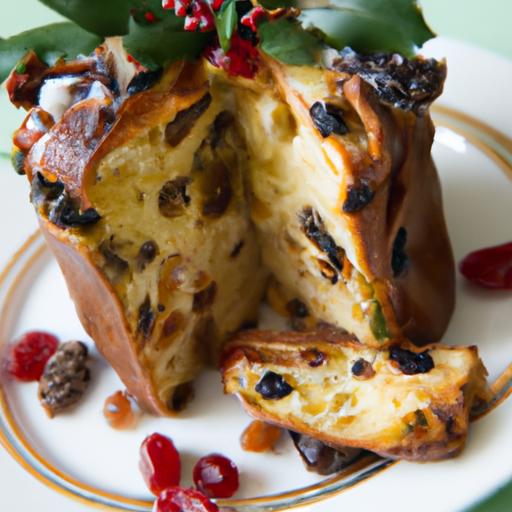

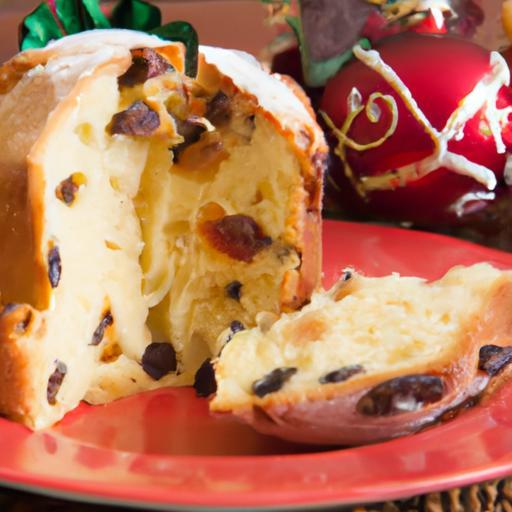
As the holiday season approaches, time-honored traditions often find new expressions on our tables, blending nostalgia with fresh inspiration. Among these cherished customs, the panettone cake stands out-a beloved Italian sweet bread that has long symbolized festive warmth and togetherness. Yet, beyond its classic form lies a world of creative adaptations, where bakers reimagine panettone’s rich flavors and airy texture into innovative cakes that honour the past while inviting modern palates. This article explores the panettone cake as a classic twist on festive tradition, celebrating its enduring appeal and the subtle transformations that keep it both timeless and delightfully contemporary.
The Origins and Evolution of Panettone in Holiday Celebrations
Panettone cake has long been a beacon of festive joy, weaving its way through centuries of holiday traditions in Italy and beyond. Originating in Milan during the Middle Ages, this sweet bread was initially a luxury reserved for nobility before becoming a beloved holiday staple for all. Legend credits Toni, a young kitchen helper, who perfected the recipe that gave rise too the “pan del Toni,” or Toni’s bread-later, panettone. Over time, its light, airy texture and distinctive dome shape have made it synonymous with Christmas celebrations worldwide. across decades, bakers have refined the dough with rich butter, candied citrus, and plump raisins, making the panettone cake both a culinary marvel and a comforting symbol of home.
the evolution of panettone cake reflects not only technological advances in baking but also cultural shifts. Originally simple and rustic, modern iterations span from conventional to bold artisan versions, incorporating innovative ingredients that elevate this historic dessert while preserving its timeless essence.
Prep and Cook Time
- Prep Time: 30 minutes
- Rise Time: 12-16 hours (including overnight proofing)
- cook Time: 45 minutes
- Total Time: Approximately 14 hours
Yield
Serves 8-10 people,perfect for holiday sharing.
Difficulty level
Medium - ideal for bakers with some experience in yeast doughs and patient with rising times.
Key Ingredients That Define an Authentic Panettone Cake
- 500g high-protein bread flour, sifted for a delicate crumb
- 150ml whole milk, warmed to activate the yeast
- 150g unsalted butter, softened to room temperature
- 180g granulated sugar, for balanced sweetness
- 4 large eggs, enriching the dough’s texture
- 15g fresh yeast or 7g active dry yeast, for optimal rise
- 150g candied orange peel and citron, chopped finely to infuse citrus fragrance
- 100g plump raisins, soaked in warm rum or water
- 1 teaspoon pure vanilla extract for warmth
- 1 teaspoon lemon zest, freshly grated
- 1 pinch of salt, to enhance flavor complexity
Innovative Flavor Variations to Elevate Your Festive Panettone
While the traditional combination of dried fruits sets the foundation of panettone cake, adventurous cooks can explore exciting twists that delight guests:
- Chocolate-hazelnut: Swap candied fruits for cocoa nibs and toasted hazelnuts, creating a decadent, nutty profile.
- Tropical blend: Incorporate dried pineapple, mango, and coconut flakes for a sun-kissed surprise.
- Spiced pear and ginger: Add finely diced pears and crystallized ginger, enriching the cake with warmth and subtle bite.
- Espresso-infused: Introduce a shot of espresso into the dough and fold in dark chocolate chunks to marry bold flavors with tradition.
Tips for Baking and Storing Panettone to Preserve Freshness
Patience is key. The dough needs multiple slow rises to develop its signature airy,tender crumb; rushing this process risks a dense loaf. Use room temperature ingredients to encourage even fermentation. When baking, insert a skewer into the center-when it comes out clean, your panettone cake is perfectly done.
Instantly after baking,invert the panettone and suspend it by skewers through the base,allowing it to cool upside down.This technique maintains its tall, domed shape and prevents collapse.
To keep your panettone fresh:
- Wrap tightly in parchment paper followed by foil.
- Store in an airtight container at room temperature for up to 5 days.
- For longer preservation, freeze wrapped panettone. Thaw at room temperature before serving.
Ingredients
- 500g bread flour, sifted
- 150ml warm whole milk (approx. 37°C / 98°F)
- 4 large eggs,at room temperature
- 150g unsalted butter,softened
- 180g granulated sugar
- 15g fresh yeast or 7g active dry yeast
- 150g candied orange peel and citron,chopped
- 100g raisins,soaked in rum or warm water for 1 hour
- 1 teaspoon vanilla extract
- 1 teaspoon lemon zest,finely grated
- 1 pinch of salt
Instructions
- Activate the yeast: In a small bowl,combine the warm milk,a teaspoon of sugar,and the yeast. Stir gently, then set aside for 10 minutes until frothy.
- Prepare the dough base: In a large mixing bowl, whisk together the sifted bread flour, salt, and remaining sugar. create a well in the center.
- Combine wet ingredients: beat the eggs lightly and add to the flour well, along with the yeast mixture and vanilla extract. Mix gently with a wooden spoon until combined.
- Knead the dough: Transfer dough onto a lightly floured surface. Knead for 10 minutes, adding softened butter gradually in small pieces until fully incorporated and the dough is smooth and elastic.
- First proof: Place dough in a large, lightly oiled bowl. Cover with a damp cloth or plastic wrap and let rise in a warm place for 8-10 hours or overnight until doubled in size.
- Add fruit: Gently deflate the dough and fold in the soaked raisins and chopped candied peel, ensuring even distribution without overworking.
- Second proof: Shape the dough into a tall dome and place into a panettone paper mold (or a high-sided cake pan lined with parchment). Cover and proof for an additional 3-4 hours until risen just above the rim.
- Bake: Preheat oven to 180°C (350°F). Score a large cross on top with a sharp knife, place a small cube of butter in the center, and bake for 40-45 minutes. If browning too quickly, tent loosely with foil after 30 minutes.
- Cool upside down: Immediately invert the panettone by skewers through the base and suspend it. Allow to cool fully to maintain shape and crumb texture.
Chef’s Notes & Tips for Success
- Use high-gluten bread flour to achieve the iconic airy structure.
- Don’t rush rising times; slow fermentations develop flavor and texture.
- For added moisture, brush the top with melted butter once cooled.
- Substitute candied fruits with dried cherries or cranberries for added tartness.
- Make it vegan: Replace eggs with flaxseed “eggs” and butter with coconut oil-expect a subtle texture difference but appetizing flavor.
- Make-ahead: The dough can be prepared and refrigerated after the first proof overnight; bring to room temperature before shaping.
Serving Suggestions
serve your panettone cake sliced thickly with a dusting of powdered sugar or alongside a rich mascarpone cream spread. Pair with a glass of sweet sparkling wine or a robust espresso for a true Italian holiday experience. Garnish with fresh mint leaves and a few candied orange slices to enhance presentation and aroma.
For brunch, toast slices lightly and spread with a smear of honey-butter or fruit preserves for delightful contrast.
| Nutrient | Per Serving (1 slice) |
|---|---|
| Calories | 320 kcal |
| Protein | 6g |
| Carbohydrates | 48g |
| Fat | 9g |
Explore more festive Italian desserts to complement your panettone cake.
Learn about panettone’s rich history and recipes from Encyclopaedia Britannica.

Q&A
Q&A: Panettone Cake – A Classic Twist on Festive Tradition
Q1: What is panettone, and how did it become associated with festive celebrations?
A: Panettone is a traditional Italian sweet bread loaf, characterized by its tall, dome-shaped structure, soft and airy crumb, and studded with dried fruits like raisins and candied orange peel. Originating from Milan, it became a staple during Christmas and New Year celebrations, symbolizing joy and abundance. Over centuries, panettone evolved from a regional specialty into a beloved holiday treat worldwide.
Q2: How dose panettone differ from typical cakes?
A: Unlike dense, frosting-laden cakes, panettone is more akin to a bread enriched with butter, eggs, and sugar, resulting in a light, tender texture. Its unique rise and fluffy crumb come from a long fermentation process using natural yeast, lending it a distinctive flavor and aroma.This sets it apart from conventional cakes both in texture and planning.
Q3: What is meant by a “classic twist” on panettone in the context of festive tradition?
A: The ”classic twist” refers to creative adaptations that honor the traditional panettone while introducing new elements. This can include incorporating modern flavors like chocolate chips, pistachios, or exotic fruits, or transforming panettone into layered cakes, trifles, or even cupcakes. These variations maintain the festive spirit but offer fresh experiences for the palate.
Q4: why is panettone cake gaining popularity beyond Italy during the holidays?
A: Panettone cake’s versatility and celebratory origins make it appealing across cultures. Its balance of sweetness and airy texture pairs well with a variety of drinks, from coffee to festive cocktails. Additionally, as globalization spreads culinary traditions, more people seek authentic yet innovative holiday treats, making panettone a charming centerpiece that bridges cultural tastes.
Q5: How can one enjoy panettone cake in different ways during the festive season?
A: Beyond enjoying it fresh, panettone cake can be toasted and served with butter or jam, transformed into French toast, layered into trifles with cream and berries, or even used as a base for bread pudding. Its rich yet delicate nature allows it to shine in both simple and elaborate presentations,making it perfect for family gatherings or elegant holiday parties.
Q6: Is making panettone cake at home feasible for beginners?
A: Traditional panettone requires patience and some skill due to its long fermentation and delicate handling. However, many recipes now offer simplified versions or use store-bought dough to ease the process. For those willing to experiment, baking panettone cake can be a rewarding project that connects them with festive heritage and culinary creativity.
Q7: what makes panettone cake a symbol of festive tradition today?
A: Panettone cake embodies party through its rich ingredients, artisanal craftsmanship, and its role in sharing warmth and togetherness. It represents a bridge between past and present, where classic recipes meet inventive twists, all wrapped in the joyful spirit of the holiday season. Its enduring popularity confirms its status as a timeless festive icon.
Insights and Conclusions
As the scents of citrus and yeast linger in the air and the golden crust of panettone beckons from the table, this timeless cake reminds us that tradition can be both preserved and reimagined. whether shared around a cozy fireplace or gifted to loved ones across the miles, panettone continues to weave its sweet story into the fabric of festive celebrations. In embracing both its classic roots and contemporary twists, we find not only a delicious treat but a symbol of warmth, joy, and the enduring spirit of togetherness.