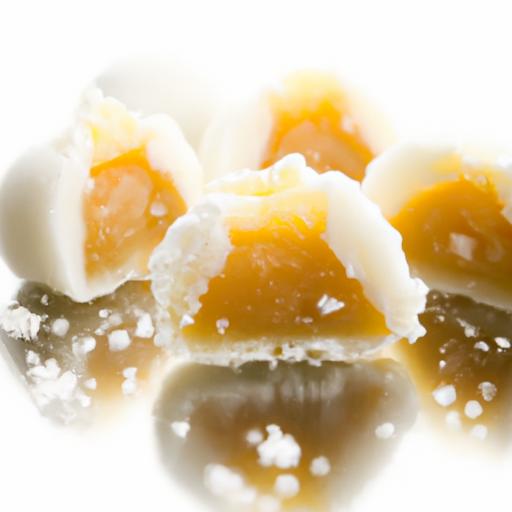

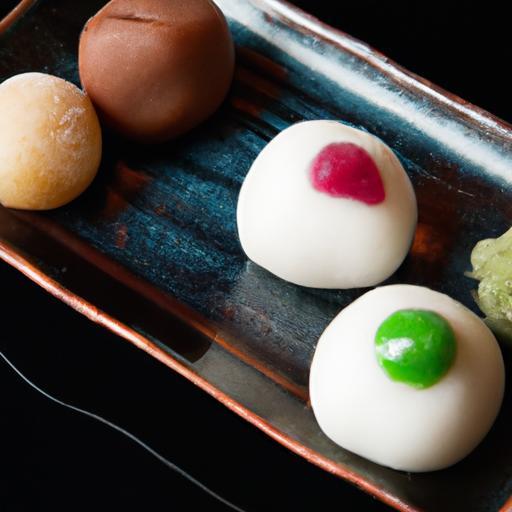
In the serene world of Japanese confections, Moshi Manju stands as a subtle yet captivating treat-a delicate balance of texture and flavor that invites both contemplation and delight. Rooted in centuries-old traditions, this understated sweet embodies the intricate artistry that defines wagashi, Japan’s revered confectionery culture.As we journey through the origins, craftsmanship, and cultural meaning of Moshi Manju, we uncover how a simple combination of ingredients transforms into a refined expression of Japanese culinary elegance. This exploration reveals not only the sweetness on the palate but also the deeper harmony between nature, seasonality, and the human touch that shapes each bite.
Origins and Cultural Significance of Moshi Manju
Moshi Manju unfolds a beautiful narrative woven into japan’s rich confectionery heritage. This delicate sweet has its roots deeply embedded in traditional Japanese tea ceremonies,where refinement and subtle flavors celebrate mindfulness and harmony. Historically, Moshi Manju emerged in the Edo period as an elegant, steamed cake wrapped in soft mochi-offering a perfect balance of texture and taste. Passed down through generations, it symbolizes hospitality, making it not just a treat, but a cultural emblem of generosity and seasonal gratitude.
Many families have cherished memories associated with Moshi Manju-children eagerly awaiting the spring festivals or tea gatherings where these sweets are presented with meticulous care. The interplay of the chewy mochi exterior and the smooth,subtly sweet red bean filling encapsulates the Japanese dedication to harmony between nature and flavor,making Moshi Manju a timeless experience.
Crafting the Perfect Texture and Flavor balance
Achieving the quintessential moshi manju experience means mastering the delicate balance between a supple mochi outer layer and a velvety anko (red bean paste) center. The exterior should be soft but resilient, offering a gentle chew without sticking excessively to yoru fingers or teeth. This is accomplished by carefully steaming the dough to preserve moisture while ensuring it remains tender.
The anko filling, whether you opt for the classic smooth koshian or the textured tsubuan, forms the heart of the sweet. It should be mildly sweet, complementing rather than overpowering the subtle glutinous rice dough. Use freshly made or high-quality store-bought azuki bean paste to maintain authentic flavor depth. A tip for ideal texture is to keep your dough and filling chilled before assembly-this prevents stickiness and helps shape the manju neatly.
Exploring Regional Variations and Ingredients
Across Japan, moshi manju showcases charming regional twists that celebrate local ingredients. In Kansai, for example, you might find manju made with white kidney bean paste for a lighter taste, while some areas near the Sea of Japan incorporate chestnuts or yuzu zest for an aromatic lift.
Rice flour varieties also differ-sweet rice flour (mochiko) is common, but some regions use a blend of rice flour and wheat starch to achieve a distinct chewiness or gloss. Larger cities like Kyoto frequently enough present elegantly shaped manju with delicate ridges or floral stamps, enhancing the sensory appeal and aligning with seasonal festivities.
Experimenting with matcha powder or black sesame seeds mixed into the dough provides an exciting twist on the classic recipe, opening avenues for innovative flavor profiles that maintain traditional roots.
tips for tasting and Pairing Moshi Manju with traditional Teas
Tasting moshi manju is an intimate ritual that harmonizes perfectly with the delicate bitterness of traditional Japanese teas. The meticulous sweetness of the manju pairs beautifully with green teas like sencha or gyokuro, whose vegetal notes provide a refreshing contrast. For a more robust flavor, try it with roasted houjicha, where the nutty, toasted tea notes amplify the earthy sweetness of the bean paste.
When serving, present moshi manju on elegant lacquerware or ceramic plates to highlight their artisanal nature. A small bite of manju followed by a sip of hot tea invites mindfulness and appreciation for subtle flavors, a sensory dance emblematic of Japan’s culinary ethos.
For a deeper dive into Japanese tea culture and pairing recommendations, consider visiting Japanese Tea Culture Society.
Prep and Cook Time
- Readiness: 35 minutes
- Cooking (Steaming): 15 minutes
- Total Time: 50 minutes
Yield
Yields approximately 12 servings (12 manju pieces).
Difficulty Level
Medium – Requires some technique in shaping and steaming for perfect texture.
Ingredients
- 1 cup sweet rice flour (mochiko),sifted
- 3 tablespoons sugar
- 3/4 cup water,cold
- 1 cup smooth red bean paste (anko)
- Potato starch or cornstarch for dusting,about 2 tablespoons
Instructions
- In a mixing bowl,combine sweet rice flour and sugar. gradually add the cold water while stirring with a spatula until a smooth batter forms.
- Transfer the batter to a heatproof bowl.Cover loosely with plastic wrap and steam over boiling water for 10-12 minutes, or until the dough becomes translucent and slightly sticky. Be careful not to over-steam.
- Remove from heat and quickly transfer the dough onto a surface dusted lightly with potato starch. Allow it to cool just enough to handle, but still warm and pliable.
- Divide the dough into 12 equal portions,rolling each into a small ball.
- Flatten each dough ball into a disc about 2.5 inches wide. Place a teaspoon of anko in the center, then carefully fold the edges over to seal the filling inside, forming a smooth ball.
- Lightly dust finished pieces with starch,and place them on parchment paper within a steamer basket.
- steam the filled manju for 5 more minutes to set their shape and meld flavors.
- Remove and cool slightly before serving.
Chef’s Notes
- To prevent stickiness, keep your hands and tools well-dusted with starch during shaping.
- Red bean paste variations: try textured tsubuan for a rustic feel or white bean paste for a delicate sweetness.
- Leftover manju can be wrapped tightly and refrigerated for up to two days. Re-steam gently before serving to restore softness.
- for a glossy finish, brush the manju lightly with warm water then dust with starch before steaming.
Serving Suggestions
Present each Moshi Manju on a patterned Japanese plate or a bamboo leaf for rustic beauty. Garnish with a small sprig of sansho leaf or a dusting of matcha powder to enhance its visual appeal. Pair with a freshly brewed cup of sencha or a roasted houjicha to elevate the tasting experience.

| Nutrient | Per Serving |
|---|---|
| Calories | 110 kcal |
| Protein | 2 g |
| Carbohydrates | 24 g |
| fat | 0.2 g |
Explore more Japanese sweets like traditional Wagashi recipes to deepen your understanding and appreciation of Japan’s subtle dessert artistry.
Q&A
Q&A: Moshi Manju – Exploring the Delicate Art of Japanese sweets
Q1: What exactly is Moshi Manju?
A: Moshi Manju is a traditional Japanese sweet that beautifully marries texture and taste. It consists of a soft, chewy outer layer made from glutinous rice flour (mochi) enveloping a sweet filling, commonly red bean paste. Unlike typical steamed buns,Moshi Manju boasts a delicate elasticity that melts gently in the mouth,offering a subtle sweetness that’s both comforting and refined.
Q2: How does Moshi Manju differ from other Japanese confections?
A: While Japanese sweets, or wagashi, come in diverse forms, Moshi Manju stands out for its unique combination of mochi and manju. Traditional manju usually has a steamed dough exterior, but Moshi Manju uses a mochi-based skin, giving it a distinctive chewy texture. This subtle variation highlights the balance of softness and resilience, reflecting the Japanese aesthetic of simplicity with depth.
Q3: What is the cultural significance of Moshi Manju?
A: Moshi Manju is more than a sweet treat; it’s a cultural emblem often enjoyed during festivals, tea ceremonies, and seasonal celebrations.Its delicate craftsmanship represents the Japanese dedication to harmony and beauty in everyday life. Sharing moshi Manju is a gesture of hospitality and appreciation, bridging generations through an enduring culinary tradition.
Q4: How is Moshi Manju traditionally made?
A: Crafting Moshi Manju requires patience and skill. The mochi dough starts with carefully kneaded glutinous rice flour combined with water and sometiems sugar for a touch of sweetness. This pliable dough is then wrapped around a small ball of sweet bean paste. The assembled sweets are gently steamed to set the texture without losing moisture, resulting in an airy, tender confection that exemplifies precision and care.
Q5: Are there regional variations of Moshi Manju?
A: Yes, Japan’s rich regional diversity influences Moshi Manju’s flavors and styles. Some areas incorporate seasonal ingredients like chestnuts, matcha (green tea), or yuzu (citrus) into the filling or dough, adding unique aromatic layers. The shape and wrapping methods can also differ, reflecting local customs and aesthetic preferences, making each Moshi Manju an edible piece of regional identity.
Q6: How is Moshi Manju best enjoyed?
A: Traditionally paired with a cup of green tea, Moshi manju’s subtle sweetness is meant to complement the slightly bitter notes of the beverage. Its delicate texture invites slow, mindful eating, encouraging appreciation of each bite. Whether enjoyed during quiet moments or festive gatherings, Moshi Manju evokes a sense of calm and connection.
Q7: Can Moshi Manju be made at home?
A: Absolutely, though it demands a gentle touch and patience. Home cooks can create Moshi Manju using readily available rice flour and sweet bean paste, experimenting with small batches to perfect the dough’s elasticity and the balance of sweetness. It’s a rewarding process that offers insight into the craftsmanship behind traditional Japanese sweets.
Q8: Why explore Moshi Manju in today’s culinary world?
A: In a global landscape brimming with bold flavors and modern desserts, Moshi Manju invites us to rediscover subtlety and tradition. Its artistry embodies a mindful approach to food-celebrating texture, balance, and cultural heritage. Exploring Moshi Manju opens a doorway to appreciating Japanese craftsmanship and the timeless joy found in simple, carefully made sweets.
Closing Remarks
In the delicate folds of Moshi manju lies more than just a sweet treat; it is indeed a testament to Japan’s artistry and reverence for tradition. As each bite reveals a symphony of subtle textures and flavors, we are reminded that the true essence of Japanese confectionery is found not only in taste but in the mindful craftsmanship that transforms simple ingredients into moments of quiet delight. Exploring Moshi Manju invites us to appreciate the gentle harmony between nature, culture, and culinary mastery-an invitation to savor not just a sweet, but a story woven through time.