
In a world increasingly attuned to the environmental footprints of our daily habits, even the art of sushi-making is undergoing a thoughtful conversion. “Roll Green: Your Essential Guide to Lasting Sushi Choices” invites you to explore the delicate balance between culinary tradition and ecological obligation.From ocean-friendly ingredients to mindful sourcing and innovative alternatives, this guide rolls out everything you need to know to enjoy sushi that’s as kind to the planet as it is indeed to your palate. whether you’re a devoted sushi lover or a curious newcomer, discover how each bite can contribute to a healthier, more sustainable future.
Roll Green is more than a mantra-it’s an invitation to transform how we experience sushi by embracing ingredients and practices that honour our planet. In recent years, understanding the environmental impact of conventional sushi ingredients has become crucial for conscious food lovers. By choosing sustainable seafood without sacrificing flavor, exploring innovative plant-based alternatives, and supporting eco-friendly sushi restaurants, you can savor every bite with a clear conscience and vibrant palate.
Understanding the Environmental Impact of Traditional Sushi Ingredients
The iconic components of classic sushi-tuna, salmon, eel-often come with a heavy ecological footprint. Overfishing has pushed many species toward endangerment, while some aquaculture practices contribute to water pollution and habitat destruction. for example,bluefin tuna is a prized but critically endangered fish,making it’s sushi appearances a growing concern. Opting for seafood certified by organizations like the Marine Stewardship Council (MSC) helps reduce this impact substantially.
Additionally, traditional sushi rice farming involves water-intensive methods and sometimes uses pesticides that harm local ecosystems. Innovations in sustainable agriculture are reducing thes pressures, but choosing rice from organic or small-scale suppliers is a step toward greener sushi.
Choosing Sustainable Seafood Without Sacrificing Flavor
Finding sustainable seafood for sushi doesn’t mean settling for less taste. Imagine a roll filled with thinly sliced Alaska sockeye salmon, known for its robust flavor and MSC certification. Or freshly harvested wild-caught mackerel, a more abundant fish with a silky texture and rich omega-3 profile. these alternatives deliver the authentic umami you crave while safeguarding marine ecosystems.
Look for seafood labeled with sustainability endorsements or inquire directly at your fish market. Many suppliers now offer traceability guarantees, assuring you that your sashimi is harvested responsibly. Remember, seasonal and local catches not only taste fresher but also reduce carbon emissions from transport.
Innovative Plant-Based alternatives to Classic Sushi Rolls
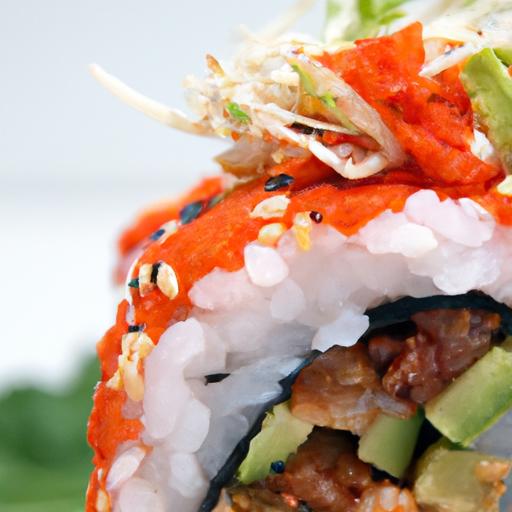
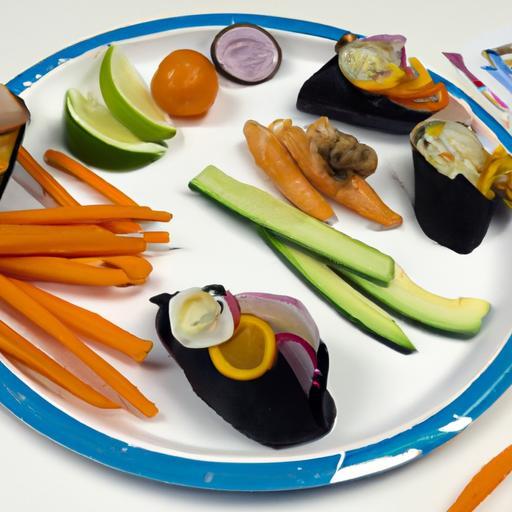
Expanding beyond fish, plant-based sushi rolls have blossomed into creative works of edible art. Layering thin ribbons of marinated king oyster mushrooms mimics the texture of scallops, while mashed avocado and smoked tomato paste substitute buttery tuna flavors. Pickled daikon, shredded carrots, and crisp cucumber add bursts of freshness and crunch, proving sustainability can pair beautifully with taste and presentation.
Experiment with ingredients like fermented tempeh, roasted beets, or seaweed blends to reinvigorate your sushi bar. Incorporating pulses and grains inside rolls also boosts nutritional value while enhancing mouthfeel.
Tips for Supporting Eco-Friendly Sushi Restaurants and Suppliers
- Research menus and sourcing policies: Many eco-friendly establishments openly share their sustainable practices and supplier relationships online.
- Support local and small-scale suppliers: these businesses frequently enough prioritize ethical methods and provide transparency surrounding their seafood.
- Engage with your sushi chef: Don’t hesitate to ask about alternatives to overfished species or learn about plant-based specials.
- Choose restaurants offering seasonal rolls: This promotes fish rotation and reduces pressure on vulnerable stocks.
By making these mindful choices, you participate in a global movement that celebrates culinary artistry while protecting oceans for future generations.
Prep and Cook Time
- Readiness: 20 minutes
- Cooking: 10 minutes (rice preparation)
- total: 30 minutes
Yield
4 servings (8 sushi rolls)
Difficulty Level
Medium – beginner-friendly with some rolling practice
Ingredients
- 2 cups sushi rice,rinsed and drained
- 2 ½ cups water
- ⅓ cup rice vinegar
- 2 tbsp sugar
- 1 tsp sea salt
- 4 sheets nori (seaweed)
- 1 cup marinated king oyster mushrooms,thinly sliced
- 1 avocado,sliced
- ½ cup shredded carrot
- ¼ cup pickled daikon
- ½ cucumber,julienned
- 2 tbsp soy sauce or tamari (gluten-free)
- 1 tbsp toasted sesame seeds
- Wasabi and pickled ginger,for serving
Instructions
- Cook the sushi rice: combine rinsed rice and water in a rice cooker or pot. Cook until water is absorbed and rice is tender, about 10-12 minutes. Remove from heat and let rest covered for 10 minutes.
- Prepare seasoning: In a small saucepan, gently warm rice vinegar, sugar, and salt until dissolved. Allow to cool.
- Season the rice: Transfer rice to a wide, non-metallic bowl. slowly fold in vinegar mixture with a wooden spatula, fanning the rice to cool and create a glossy finish. Keep covered with a damp towel.
- Prepare fillings: Marinate thin king oyster mushroom slices in soy sauce for at least 10 minutes. Slice avocado, julienne cucumber, shred carrot, and drain pickled daikon.
- Assemble sushi rolls: Place a bamboo rolling mat on a clean surface. Lay one nori sheet on the mat,shiny side down. With wet hands, spread a thin, even layer of sushi rice over the nori, leaving a 1-inch border at the top edge.
- Add fillings: Arrange mushroom slices, avocado, carrot, cucumber, and pickled daikon in a horizontal line about 1 inch from the bottom edge.
- Roll tightly: Using the mat,lift the edge closest to you and roll forward,compressing firmly but gently,sealing the edge with the uncovered strip of nori.
- Slice rolls: Using a very sharp, damp knife, cut each roll into 6-8 even pieces. Clean the knife between cuts to prevent sticking.
- Plate and garnish: Arrange sushi on a platter, sprinkle with toasted sesame seeds, and serve with wasabi, pickled ginger, and soy sauce.
Chef’s Notes
- For extra umami, lightly grill the mushrooms before marinating.
- Substitute king oyster mushrooms with roasted beets or tempeh for diverse flavor profiles.
- Make ahead: sushi rice is best freshly made; though, fillings can be prepped a day ahead and refrigerated.
- Use a bamboo mat wrapped in plastic wrap for easy cleanup.
- If rolling is challenging, try the “inside-out” technique by flipping the nori after spreading rice.
Serving Suggestions
present your sustainable sushi rolls on a minimalist wooden platter or black slate to highlight vibrant colors. Add fresh shiso leaves or microgreens for a subtle herbal accent. Pair with chilled green tea or sparkling yuzu water to refresh the palate.
| Nutrient | Per Serving |
|---|---|
| Calories | 280 kcal |
| Protein | 6 g |
| Carbohydrates | 45 g |
| Fat | 7 g |

For more inspiration on eco-conscious Japanese cuisine, explore our sustainable Japanese Recipes collection. To deepen your understanding of sustainable seafood, visit the Marine Stewardship Council.
Q&A
Q&A: Roll Green – Your Essential Guide to Sustainable Sushi choices
Q1: What does “sustainable sushi” actually mean?
A: Sustainable sushi refers to sushi made using seafood and ingredients sourced in ways that protect marine ecosystems, ensure fish populations remain healthy, and reduce environmental impact. It means enjoying your favorite rolls without contributing to overfishing, habitat destruction, or high carbon footprints.
Q2: Why should sushi lovers care about sustainability?
A: Sushi is frequently enough associated with wild-caught fish and delicate ocean ecosystems. Overfishing and destructive fishing practices threaten ocean biodiversity and can lead to the collapse of critically important fish stocks. By choosing sustainable sushi, you support responsible fisheries and help preserve seafood for future generations.
Q3: How can I identify sustainable sushi options at a restaurant?
A: Look for menus that feature certifications like MSC (Marine Stewardship Council) or ASC (Aquaculture Stewardship Council). Some restaurants highlight sustainable choices or offer eco-friendly options like farmed shellfish or vegetarian rolls. Don’t hesitate to ask the staff about the origins of their fish and the restaurant’s sustainability practices.
Q4: Is farmed fish always a sustainable choice?
A: Not necessarily. Sustainable aquaculture depends on how the fish are raised. Responsible farms minimize environmental impact by managing waste, avoiding antibiotics, and sourcing feed responsibly.Some farmed species, like mussels and oysters, are naturally sustainable as they filter and clean water.
Q5: What are some sustainable fish alternatives for sushi?
A: Consider species like Alaskan salmon, farmed rainbow trout, or Pacific sardines. These fish have healthier population levels and are often raised or caught with lower environmental footprints. Also, exciting veggie-based rolls made with ingredients like avocado, cucumber, or pickled vegetables can be delicious and eco-friendly.
Q6: Can I make sustainable sushi at home?
A: Absolutely! Planning your sushi with locally sourced or certified sustainable seafood helps reduce your environmental impact. Experiment with plant-based fillings or sustainably farmed fish.Buying from reputable suppliers and avoiding endangered species make your sushi nights both tasty and responsible.
Q7: What role do consumers play in shaping the sushi industry?
A: Consumers wield notable power. By choosing sustainable options and asking questions, diners encourage restaurants and suppliers to prioritize eco-conscious sourcing. Demand drives supply-when sustainability becomes a priority on plates,the industry adapts accordingly.Q8: Are there initiatives or apps to help find sustainable sushi?
A: Yes! Tools like the Seafood Watch app by Monterey Bay Aquarium provide up-to-date guidelines on sustainable seafood choices. Some apps and websites curate lists of sustainability-minded sushi spots, making it easier to enjoy guilt-free rolls wherever you go.
Q9: How does sustainability tie in with the cultural aspects of sushi?
A: sushi is rooted in Japanese tradition, where respect for ingredients and nature is fundamental.Embracing sustainability aligns with these values, honoring the balance between humans and the sea, and respecting the craftsmanship behind each roll.
Q10: What’s the takeaway message from “Roll Green”?
A: Sustainable sushi isn’t about giving up flavor but about making thoughtful choices that protect our oceans and seafood heritage. By rolling green-choosing responsible ingredients and practices-you enjoy sushi that tastes good and feels right, fostering a healthier planet one bite at a time.
Concluding Remarks
As the art of sushi continues to captivate palates worldwide, embracing sustainable choices ensures that this culinary tradition can thrive for generations to come. With a mindful approach to ingredients and sourcing, Roll Green invites you to savor each bite not only with pleasure but with purpose. Whether you’re a seasoned sushi lover or just beginning your journey, let your choices reflect a commitment to the health of our oceans and the planet. After all,every roll holds the promise of a greener,more flavorful future.