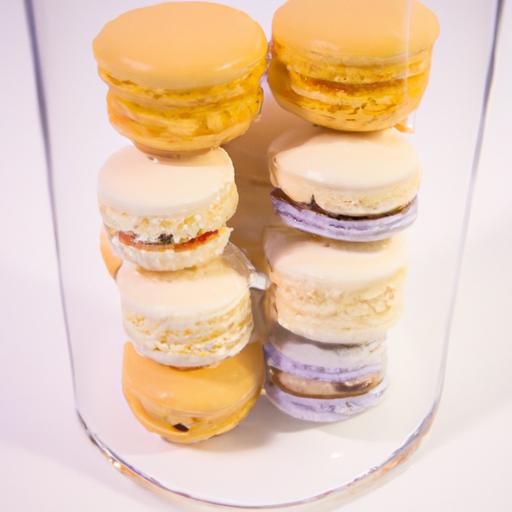

In the delicate world of confections, few treats inspire as much admiration-and playful debate-as the macaron. Originating from the heart of Europe, these petite, colorful confections have woven themselves into the fabric of French and Italian patisserie alike. Yet behind their shared name lies a subtle divergence in technique, texture, and tradition, inviting enthusiasts to explore the nuanced artistry of two distinct styles. This sweet tale of French versus Italian macarons unravels the history, craftsmanship, and flavor profiles that define each version, offering a balanced glimpse into the sweetness that connects-and sets apart-these iconic desserts.
French vs Italian Macarons unlock a fascinating journey through Europe’s pastry heritage, where every delicate bite whispers tales of artistry, tradition, and culinary finesse.These iconic confections, frequently enough mistaken for one another, are distinct in their origin stories, techniques, and subtle flavor nuances that elevate them far beyond mere sweets.
Origins and Historical Influences Shaping French and Italian Macarons
The humble macaron has roots stretching back to the Italian Renaissance,when Catherine de medici introduced the almond-based cookie to France in the 16th century. However, it was the french who redefined the macaron into the layered, sandwich-like masterpiece renowned today.While the French macaron evolved primarily in Parisian patisseries with a focus on vibrant fillings and delicate textures, the Italian macaron style draws inspiration from traditional Italian almond meringue cookies (amaretti) and frequently enough showcases a rustic elegance rooted in Italian confectionery traditions.
This dual influence embodies a culinary dialog where French refinement meets Italian authenticity. understanding this background enriches both baking and tasting experiences, highlighting how history flavors the outcomes on your palate.
Distinctive Ingredients and Techniques That Define Each Style
Both styles crown almond flour as the hero ingredient, but their readiness diverges in meringue bases. The French sunshine comes from a simple French meringue, where egg whites are whipped with caster sugar until stiff peaks form. This technique requires precision in folding to maintain airiness. In contrast, the Italian method uses a hot sugar syrup boiled to soft-ball stage (240°F/115°C) poured into whipped egg whites, creating a denser, silkier meringue. This yields a macaron shell that is slightly chewier with a glossy finish.
The filling choice further separates the two. French macarons favor buttercream, ganache, or curd, offering vivid flavor contrasts and creative freedom. Italian macarons frequently enough emphasize nut-based, panna-like or lightly sweetened fillings, embracing natural almond essence.
Flavor Profiles and Presentation: What Sets Them Apart on the Palate
When savoring French vs Italian macarons, the palate is met with distinct textural and flavor dialogues. French macarons present a delicate crunch giving way to a moist, flavorful center-frequently enough bursting with bold fruit or indulgent chocolate notes. Italian macarons tend to deliver a more uniformly tender bite, with deeper almond aromas and subtle sweetness, inviting a gentler sensory experience.
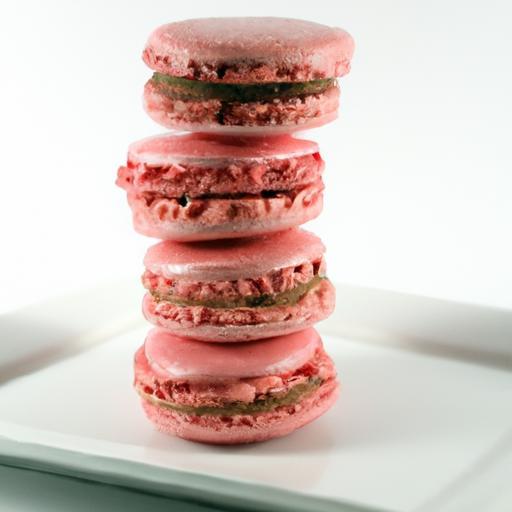
Visually,French macarons are known for their polished “feet” and vibrant colors,frequently enough meticulously matched to their filling for visual harmony. Italian macarons may appear more rustic but no less charming, flaunting a natural matte shell with earthier tones reflective of traditional almond confections.
Choosing Your Favorite Macaron Style Based on occasion and Preference
Deciding between French vs Italian macarons depends on mood and moment. Reach for a French macaron when you desire vibrant flavors and eye-catching elegance-perfect for celebrations or gifting. Their variety will impress guests looking for sweet sophistication. If you yearn for comforting almond warmth with artisanal authenticity, Italian macarons bring timeless charm to intimate tea times or relaxed dessert offerings.
Experimentation is encouraged-try blending both styles to suit your palate or event. After all, these macarons are more than sweets; they’re edible expressions of European heritage.
Prep and Cook Time
- Preparation: 45 minutes
- Resting time: 30-60 minutes (macaronage and shell drying)
- Baking: 15-18 minutes
- Total: approximately 1 hour 45 minutes
Yield
About 24 macarons (12 sandwiches)
Difficulty Level
Advanced – Requires precision, technique, and patience
Ingredients
- For the shells (French style):
- 110g almond flour, finely ground and sifted
- 200g powdered sugar
- 90g egg whites (aged 24 hours at room temperature)
- 30g granulated sugar
- gel food coloring (optional)
- Filling (Ganache):
- 150g dark chocolate (70%), chopped
- 120ml heavy cream
- 30g unsalted butter, room temperature
Instructions
- Prepare your baking sheets: Lay parchment paper or silicone mats on two baking sheets and preheat the oven to 300°F (150°C).
- Sift almond flour and powdered sugar together twice to ensure fine texture and no lumps-this will create smooth shells.
- Whip egg whites on medium speed until foamy. Gradually add granulated sugar and increase speed to high, whipping to stiff, glossy peaks.
- Gently fold the dry ingredients</> into the meringue in thirds using a spatula, turning the bowl and cutting through the mixture to deflate some air-stop when the batter flows like lava and falls in ribbons.
- Add gel coloring if desired and gently incorporate to achieve uniform color.
- Pipe rounds approximately 3.5 cm (1.5 inch) diameter onto the sheets, spacing an inch apart. Tap sheets hard on the countertop to release air bubbles.
- Allow shells to rest for 30-60 minutes until a dry skin forms; this step is crucial to developing the signature feet during baking.
- Bake for 15-18 minutes, rotating halfway, until shells are firm but not browned.Let cool wholly on the tray before removing.
- Make ganache filling: Heat the cream just until simmering, pour over chocolate, let sit 2 minutes, then stir until smooth. Incorporate butter and cool until spreadable.
- Assemble macarons: Pair shells of similar size and pipe ganache onto one shell, sandwiching gently with the other.
- Refrigerate assembled macarons for 24 hours to mature flavors and texture before serving.
Tips for Success
- Use aged egg whites (left uncovered in the fridge for 24 hours) to improve volume and stability.
- Don’t skip the resting step; it’s essential for creating feet.
- Folding technique is key: undermix and batter will be stiff; overmix and macarons will spread too flat.
- For Italian macarons, substitute the French meringue step with an Italian meringue by adding hot sugar syrup into whipped egg whites-see detailed method hear.
- Store macarons in an airtight container at 4°C; bring back to room temperature before serving for optimal flavor.
Serving Suggestions
Present these exquisite macarons on a tiered stand or in pastel-colored boxes for an elegant gift.Garnish with edible gold leaf, delicate flower petals, or a sprinkle of finely chopped pistachios for texture contrast. Pair with a crisp glass of Champagne or a subtle Earl Grey tea to complement their nuanced sweetness.
| Nutrient | Per Macaron (1 piece) |
|---|---|
| Calories | 75 kcal |
| Protein | 1.5 g |
| Carbohydrates | 9 g |
| Fat | 3.5 g |

Explore more about almond-based desserts to deepen your dessert repertoire and master the art of pastry-making.
Q&A
Q&A: French vs Italian Macarons – A Sweet Tale of Two Styles
Q: What exactly is a macaron?
A: A macaron is a delicate, meringue-based confection characterized by a smooth, crisp shell and a soft, chewy interior. Typically sandwiched with a creamy filling-like buttercream,ganache,or jam-it’s celebrated for both its texture and vibrant colors.
Q: How do French and Italian macarons differ at their core?
A: The key difference lies mainly in technique.French macarons are traditionally made by whipping egg whites into a simple meringue and folding in almond flour and sugar, while Italian macarons use a more complex Italian meringue method, where hot sugar syrup is poured into whipped egg whites, creating a denser, more stable batter.
Q: Does the difference in technique affect the texture of the macarons?
A: Absolutely. French macarons frequently enough have a lighter, slightly airier texture with a delicate shell. italian macarons tend to be smoother and a little more flexible, with a slightly chewier bite and a glossy finish, thanks to the hot sugar syrup stabilizing the meringue.
Q: Which style is considered more challenging to make?
A: Italian macarons generally require more precision and timing because of the hot sugar syrup stage. It demands careful temperature control and swift folding. French macarons, while deceptively simple in ingredients, still require skillful folding and batter consistency, but are typically seen as more approachable for home bakers.
Q: Do flavor profiles vary between the two styles?
A: The flavor potential is vast in both styles, and it largely depends on the filling chosen rather than the meringue technique. Though, the slightly denser Italian macaron can sometimes carry richer fillings better, while the lighter French macaron highlights delicate and subtle flavors.
Q: Are there regional or historical reasons behind these two styles?
A: Yes. French macarons have their roots in medieval France, evolving over centuries into the pastel-colored, delicate treats iconic today. Italian macarons emerged from Italy’s mastery of sugar artistry and meringue techniques, brought to France and refined into a more modern, stable version.
Q: Which style is more popular worldwide?
A: The French style is more internationally recognized, often associated with chic patisseries and Parisian elegance. Italian macarons, while less common, are prized by pastry chefs and enthusiasts who appreciate their technical finesse and subtle textural differences.
Q: Can you tell by taste alone which macaron style you’re eating?
A: For the untrained palate, differences might be subtle. However, those familiar with macarons can often detect the Italian version’s smoother shell and slightly firmer chew, compared to the French macaron’s airy crispness and tender interior.
Q: Is one style better for certain occasions or pairings?
A: French macarons, with their lighter texture and pastel hues, often grace weddings, tea parties, and elegant gatherings. Italian macarons, due to their sturdiness, are sometimes favored in professional kitchens when durability and shelf life are priorities.
Q: Ultimately, which is sweeter-French or Italian macarons?
A: Both are sweet, but sweetness largely depends on the filling and sugar ratios rather than the meringue method. Italian macarons can sometimes taste less sweet due to a more stable base and balanced sugar syrup technique, while French macarons might come across sweeter due to their lighter and airier structure.
Q: So, if I want to try making macarons at home, which style shoudl I start with?
A: Many beginners opt for the French method due to its straightforward ingredients and simpler process.Once cozy, experimenting with the Italian meringue technique offers a rewarding challenge and a deeper understanding of macaron mastery.
Q: In a nutshell, how would you sum up the sweet tale of these two macaron styles?
A: French and Italian macarons are like two chapters of a sugary love story-each with its own charm, technique, and personality. Whether lighter and airy or smooth and glossy, both invite delight in every bite, celebrating the artistry and passion of patisserie.
Closing Remarks
the story of French and Italian macarons is less a competition and more a celebration of craftsmanship, culture, and taste. Whether you find yourself drawn to the delicate elegance of the classic French macaron or the slightly denser, chewier charm of its Italian counterpart, both styles offer a unique journey through sweetness and tradition. These little confections, though varied in technique and texture, share a common goal: to delight the senses and bring a moment of joy to each bite. So next time you savor a macaron, remember you’re partaking in a sweet tale that bridges borders and palates-a delicious reminder of how two styles can create their own harmonious symphony in the world of pastry.