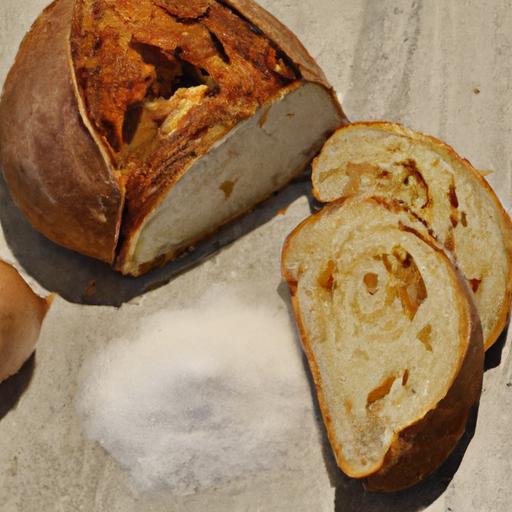

There is something undeniably comforting about the warm aroma of freshly baked bread filling the kitchen, especially when enriched with the deep, sweet notes of caramelized onions and the earthy fragrance of thyme. Rustic Caramelized Onion & Thyme Bread invites both amateur bakers and seasoned food lovers to explore a savory delight that balances simplicity with sophisticated flavor. This handcrafted loaf, with its golden crust and tender crumb, transforms humble ingredients into an artisanal masterpiece, perfect for elevating everyday meals or serving as the centerpiece of a cozy gathering. In this article, we delve into the charm and technique behind creating this flavorful bread that celebrates rustic tradition with a touch of elegance.
The Art of Caramelizing Onions for Deep flavor
Rustic Caramelized Onion & Thyme Bread begins with the soul-stirring depth of slowly caramelized onions, a process that transforms simple vegetables into a rich, golden treasure. Choosing the right onions and mastering low-and-slow cooking unlocks a symphony of sweetness and umami that defines this bread’s unforgettable flavor.
Start with yellow or Vidalia onions-their natural sweetness intensifies as they melt in a butter and olive oil blend. Maintaining medium-low heat and stirring gently every few minutes coax out the onions’ sugars without burning, typically taking 35 to 45 minutes. Patience here is rewarded with silky, deeply browned onions that will infuse your bread with a warm, savory aroma and layered taste.
Choosing the Perfect Thyme Variety to Elevate Your Bread
While thyme might seem like a simple herb, selecting the right variety is key to elevating the Rustic Caramelized Onion & Thyme Bread. Consider using French thyme (Thymus vulgaris) for its delicate, slightly lemony flavor that blends beautifully without overpowering. If you prefer a bolder note, Lemon thyme adds a subtle citrus brightness, enlivening each bite.
Fresh thyme sprigs layered into the dough release subtle oils during baking, marrying exquisitely with caramelized onion’s sweetness. For the best aromatics, strip the tiny leaves just before mixing and reserve some for garnish.
Step by Step Guide to Crafting Rustic Texture and Crust
- prepare your dough using a combination of bread flour and whole wheat flour to achieve hearty crumb structure and rustic character.
- Knead gently until elastic but still slightly tacky, about 8-10 minutes. This ensures a chewy crumb that is not overly dense.
- Incorporate onions and thyme carefully during the final stretch and fold phase to distribute them evenly without deflating your dough.
- First rise: Let the dough rest in a warm spot covered with a damp cloth until doubled in size, roughly 1 to 1.5 hours.
- Shape the loaf gently into a round boules or an oblong bâtard, maintaining air bubbles for an open crumb.
- final proof on parchment paper for 45 minutes; preheat your oven to 450°F (230°C) with a baking stone and a steam tray.
- Slash the dough with a sharp blade to control expansion and create your signature rustic design.
- Bake with steam for the first 15 minutes to develop a crispy, blistered crust, then remove steam source and bake another 20 minutes until deep golden brown.
Serving Suggestions to Complement Your Savory Creation
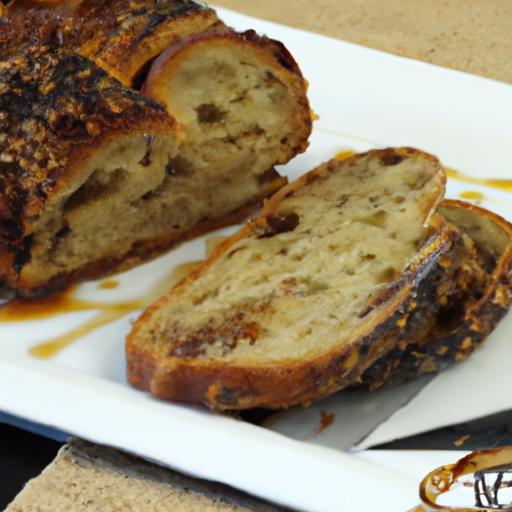
Let the bread cool entirely on a wire rack to finish setting the crust. Serve rustic Caramelized Onion & Thyme Bread thickly sliced alongside creamy cheeses like goat cheese or aged cheddar for a sumptuous pairing.A drizzle of honey or a smear of cultured butter studded with cracked black pepper can highlight the subtle savory-sweet interplay.
This bread also shines as the base for open-faced sandwiches topped with roasted vegetables, smoked meats, or even a poached egg. For a fresh contrast, accompany with a crisp arugula salad tossed in lemon vinaigrette and toasted nuts.
Prep and Cook Time
- Prep Time: 30 minutes
- Caramelizing Onions: 40-45 minutes
- Dough Rising & Baking: 3 hours (including proofing and baking)
Yield
One rustic 9-inch loaf (approximately 10-12 slices)
difficulty Level
Medium – Ideal for bakers with some bread experience looking to deepen flavor profiles
Ingredients
- 2 large yellow onions, thinly sliced
- 3 tbsp unsalted butter
- 1 tbsp extra virgin olive oil
- 350 g (2 ¾ cups) bread flour, sifted
- 100 g (¾ cup) whole wheat flour, sifted
- 10 g (2 tsp) sea salt
- 7 g (2 ¼ tsp) active dry yeast
- 250 ml (1 cup) warm water (105°F / 40°C)
- 2 tbsp fresh French thyme leaves, packed
- Optional: coarse sea salt for sprinkling
Instructions
- Caramelize the onions: Heat butter and olive oil in a heavy skillet over medium-low. Add sliced onions, cooking gently while stirring every 5 minutes. Cook until a rich amber color, about 40-45 minutes. Remove from heat; cool completely.
- Activate yeast: In a small bowl, combine warm water and yeast, stir gently and let sit 5-10 minutes until foamy.
- Mix dry ingredients: In a large bowl, whisk bread flour, whole wheat flour, and salt.
- Combine wet and dry: Pour yeast water into flour mixture; stir until it begins to come together.
- Knead the dough: Turn dough onto a floured surface; knead 8-10 minutes until smooth and elastic but slightly tacky.
- Add flavor: Fold in caramelized onions and thyme leaves evenly without overworking the dough.
- First proof: Place dough in a lightly oiled bowl, cover with cloth, and let rise in a warm spot until doubled, about 1-1.5 hours.
- Shape the loaf: Deflate gently and shape into a boule or bâtard.Place on parchment paper; cover loosely for final proof of 40-45 minutes.
- Prepare oven: Preheat to 450°F (230°C) with a baking stone and place a pan with hot water at the bottom rack for steam.
- Score and bake: Slash dough with a sharp blade, transfer to baking stone, bake 15 minutes with steam, then remove steam and bake another 20 minutes until deep golden and crisp.
- Cool: Transfer bread to a wire rack and cool completely before slicing.
Chef’s Notes
- Onion varieties: sweet onions like Vidalia or Maui are ideal for caramelizing,providing extra sweetness and moisture.
- Make-ahead: You can caramelize onions up to 3 days in advance and refrigerate tightly covered.
- Flour substitutions: For a lighter crumb, substitute whole wheat flour with additional bread flour in equal parts.
- Steam tip: If you don’t have a pan for water, spritz the oven walls lightly with water using a spray bottle just after placing the dough inside.
- Storage: Store bread in a paper bag at room temperature for up to 3 days. For longer storage, freeze sliced.
Nutritional Details per Slice
| Calories | Protein | Carbs | Fat |
|---|---|---|---|
| 150 | 5g | 28g | 3g |
Internal Link: Discover more artisan bread techniques in our Artisanal Sourdough Bread Guide.
External Source: Learn about caramelizing techniques from the Serious Eats caramelizing onions guide.

Q&A
Q&A: Rustic Caramelized onion & Thyme Bread: A Savory Delight
Q1: What makes Rustic Caramelized Onion & Thyme Bread unique compared to other breads?
A1: This bread stands out due to its rich, savory profile created by the slow caramelization of onions, which brings out their natural sweetness. combined with the earthy aroma of fresh thyme, it offers a rustic charm that elevates a simple loaf into a flavorful experience.
Q2: How does caramelizing the onions affect the bread’s flavor and texture?
A2: Caramelizing onions transforms their sharpness into a deep, sweet complexity. This slow cooking process not only enhances flavor but also contributes a moist, tender texture within the crumb, creating delightful pockets of sweet savoriness in every bite.
Q3: Why is thyme the herb of choice for this bread?
A3: thyme’s subtle, slightly minty and lemony notes complement the sweetness of the caramelized onions without overpowering them. Its rustic character perfectly fits the earthy, homemade nature of the bread, tying the ingredients together with an herbal finesse.
Q4: Can this bread be enjoyed on its own, or is it best paired with other foods?
A4: While the bread is flavorful on its own thanks to its robust flavor, it also pairs wonderfully with cheeses, roasted meats, or hearty soups.Its savory depth makes it versatile for both casual snacking and more elaborate meals.
Q5: What baking techniques ensure the perfect rise and crust for this bread?
A5: Using a well-hydrated dough and incorporating adequate kneading encourages gluten development for a good rise. Baking in a hot oven with steam helps cultivate a crisp, golden crust while keeping the inside soft and airy, balancing the rustic texture beautifully.
Q6: Is this bread suitable for beginner bakers?
A6: Although it involves steps like caramelizing onions and proper dough handling, the recipe is approachable for bakers with basic experience. Patience during the onion caramelization and careful timing in proofing are key-but well worth the satisfying results.
Q7: Can variations be made to this recipe?
A7: Absolutely. swapping thyme for rosemary or adding a sprinkle of coarse sea salt on top before baking can subtly shift the flavor profile. for a heartier loaf, nuts or seeds can be folded into the dough, enhancing texture and nutritional value.Q8: How should this bread be stored to maintain freshness?
A8: It’s best stored wrapped in a clean cloth or paper bag at room temperature to preserve its crustiness. For longer storage, slicing and freezing the bread ensures you can enjoy its savory goodness over time without sacrificing flavor or texture.
Insights and Conclusions
As the aroma of rustic caramelized onion and thyme bread lingers in the air, it’s clear that this savory delight is more then just a loaf-it’s an invitation to slow down and savor the simple pleasures of life. Whether enjoyed fresh from the oven or paired with your favorite spread,this bread embodies comfort and flavor in every bite.So next time you crave a touch of rustic charm at your table, let this aromatic creation remind you that sometimes, the most satisfying dishes are those crafted with patience and a sprinkle of herbs.