

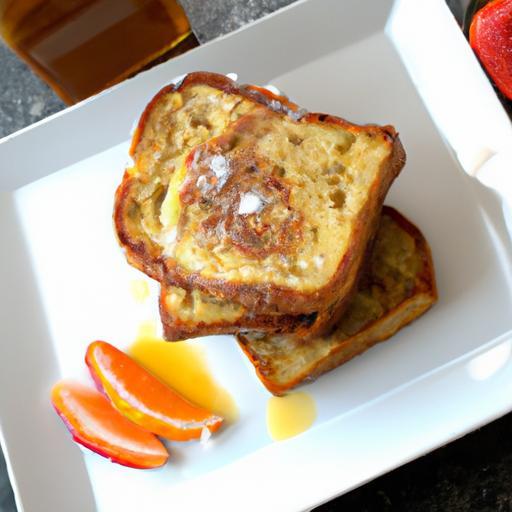
there’s something undeniably comforting about the first bite of French toast-the warm, custardy interior contrasted with a delicately crisped exterior. Now,imagine taking this beloved breakfast staple and giving it a subtle,tangy upgrade with the rustic charm of sourdough bread. Sourdough French toast offers a classic twist that elevates a familiar favorite, blending the rich flavors of fermented dough with the timeless appeal of cinnamon, vanilla, and syrup. In this article, we’ll explore how this simple substitution transforms your morning routine into a gourmet experience, perfect for both lazy weekends and special occasions.
Sourdough French toast: A Classic Twist on a Breakfast Favorite
Sourdough French toast transforms the beloved morning staple into an indulgent experience, marrying the tangy depth of naturally fermented bread with a luscious, custardy soak.This recipe elevates each bite by thoughtfully choosing the perfect sourdough loaf and embracing rich, infused soaking liquids that deliver impeccable flavor and texture. Whether it’s a lazy weekend brunch or a special occasion, mastering these techniques ensures your sourdough French toast will be golden, tender, and unforgettable.
Prep and Cook Time
- Planning: 15 minutes
- Soaking Time: 10 minutes
- Cooking Time: 15 minutes
- Total Time: 40 minutes
Yield
Serves 4 generously
Difficulty Level
Medium – requires some attention to soaking and cooking but beginner-pleasant
Ingredients
- 8 thick slices sourdough bread (day-old, about 1-inch thick)
- 3 large eggs, room temperature
- 1 cup whole milk or cream for richness
- 2 tablespoons pure maple syrup
- 1 teaspoon pure vanilla extract
- 1 teaspoon ground cinnamon
- a pinch of fine sea salt
- 2 tablespoons unsalted butter, for cooking
- Optional toppings: fresh berries, sliced bananas, chopped nuts, powdered sugar, maple syrup, Greek yogurt
Instructions
- Choose and Prep Your Sourdough: Select a loaf with a good balance of an open crumb and a sturdy crust. Day-old bread slightly dries out, allowing it to soak up the custard without falling apart.
- Make the custard soak: In a shallow dish, whisk together eggs, milk, maple syrup, vanilla extract, cinnamon, and salt until well combined and smooth.
- Soak the bread: Immerse each sourdough slice in the custard mixture for about 10 seconds per side, ensuring it’s evenly saturated but not soggy. Set the soaked slices on a wire rack to let excess drip off-this helps achieve a perfect texture.
- Heat your skillet: Warm a large non-stick or cast-iron skillet over medium heat. Add 1 tablespoon of butter and let it melt, coating the surface evenly.
- Cook the French toast: Place the soaked slices gently into the skillet. Cook for about 3-4 minutes per side until each side is a gorgeous golden brown, with a slightly crisp crust that contrasts the tender interior. Add more butter between batches as needed.
- Keep warm and serve: Transfer cooked slices to a preheated oven at 200°F (95°C) to stay warm while you finish the rest.
Chef’s Notes for Success
- Perfect loaf: Look for sourdough with a tangy aroma and firm crumb structure-avoid overly soft or extremely crusty ends.
- Soaking tips: Too little soak results in dry French toast; too long can make it mushy. Aim for medium soak time and drip off excess custard.
- Infuse extra flavor: Try swapping maple syrup for honey or adding a splash of orange liqueur into the soak for a subtle aromatic twist.
- Cooking medium: Cast iron pans offer even heat and gorgeous browning, but non-stick works well for easy cleanup.
- Make ahead: Soak bread and refrigerate uncovered for up to an hour, then cook just before serving.
- Gluten-free option: Use a sturdy gluten-free sourdough loaf with slightly less soak time to prevent breakage.
Serving Suggestions
Elevate your sourdough French toast by garnishing with fresh seasonal berries, a dollop of whipped cream or Greek yogurt, and a drizzle of pure maple syrup. For texture contrast, sprinkle toasted chopped walnuts or pecans atop. A dusting of powdered sugar adds visual appeal and sweetness balance. Serve alongside crispy bacon or roasted fruit compotes for a refined brunch spread.

| Nutrient | Per Serving |
|---|---|
| Calories | 320 kcal |
| Protein | 10 g |
| Carbohydrates | 38 g |
| Fat | 12 g |
Discover more delightful brunch recipes like this Classic Eggs Benedict recipe to keep your weekend mornings exciting. For a deeper dive into the science behind sourdough fermentation and its impact on flavor, visit Cultures for Health.
Q&A
Q&A: Sourdough French Toast – A Classic Twist on a Breakfast Favorite
Q1: what makes sourdough bread a great choice for French toast?
A1: Sourdough’s naturally tangy flavor and sturdy texture add depth and structure to french toast. Its slightly chewy crust and airy crumb absorb the egg custard well without becoming soggy, creating a perfect balance of crispy exterior and tender inside.
Q2: How does sourdough French toast differ from the traditional version?
A2: Traditional French toast often uses white or brioche bread, which offers a sweet and soft base. Sourdough introduces a subtle sour notes that cut through the richness of eggs and syrup, making the dish less sweet yet more complex in flavor.
Q3: Can I use any type of sourdough bread for this recipe?
A3: While you can use most sourdough breads, aim for a loaf with a firm crust and open crumb structure. Rustic contry-style sourdough or boule varieties work best, as they soak up the custard evenly and toast up nicely.
Q4: What’s the best egg custard mixture for sourdough French toast?
A4: A classic custard with eggs, milk (or cream), a pinch of salt, vanilla extract, and a touch of cinnamon highlights the bread’s flavor perfectly. Some people like to add a splash of orange zest or maple syrup for extra nuance.
Q5: How can I achieve the perfect texture when cooking sourdough French toast?
A5: Use medium heat to cook the French toast slowly, allowing the custard to set inside without burning the crust. Butter or oil in the pan helps create a golden, crisp surface, while flipping gently preserves the slices’ shape.Q6: What are some creative toppings for sourdough French toast?
A6: Beyond classic maple syrup and powdered sugar, try fresh berries, whipped cream, toasted nuts, or a dollop of Greek yogurt.Savory options like smoked salmon and crème fraîche can also be a delightful pairing if you wont to experiment.
Q7: Is sourdough French toast suitable for special dietary needs?
A7: Sourdough bread is naturally fermented, which can make it easier to digest for some. Though, the custard base contains eggs and dairy, so it’s not vegan or dairy-free unless you substitute those ingredients with plant-based alternatives.
Q8: How can I incorporate sourdough French toast into a weekend brunch routine?
A8: Prepare the custard the night before, slice your sourdough in advance, and toast the French toast fresh in the morning. Paired with coffee or fresh juice, it elevates a simple breakfast into a comforting weekend ritual.
This Q&A sheds light on the unique charm of sourdough French toast, inviting home cooks to savor a fresh yet familiar breakfast experience.
Insights and Conclusions
Whether you’re a longtime fan of traditional French toast or simply looking to elevate your breakfast game, sourdough bread offers a delightful twist that transforms this classic dish into something truly special. Its tangy depth and hearty texture bring new life to every bite, inviting you to savor the familiar in a refreshingly different way. So next time you’re ready to indulge in a morning treat, consider reaching for that loaf of sourdough-it just might become your new breakfast favorite.