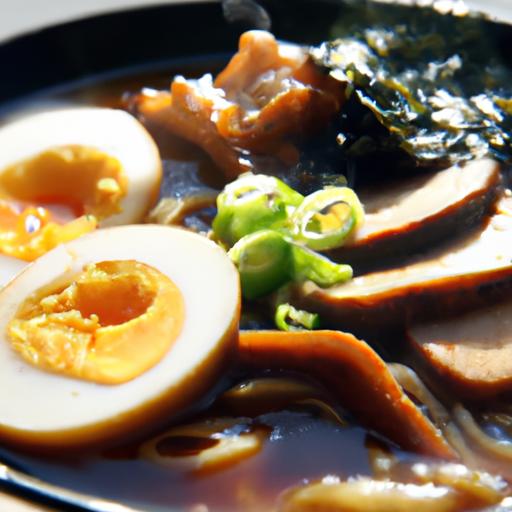

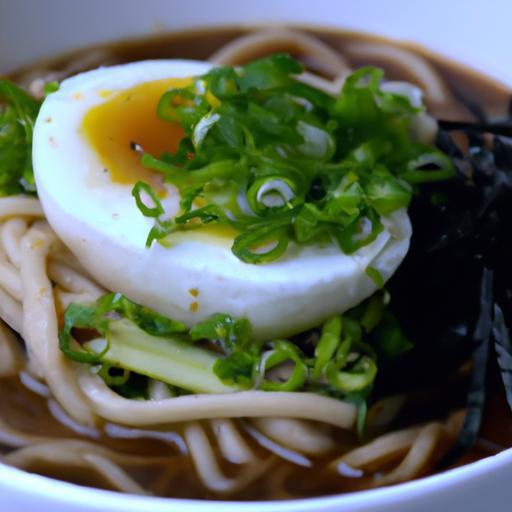
Ramen, with its comforting broth, tender noodles, and vibrant toppings, has long been a beloved staple in kitchens around the world.But for those navigating a gluten-free lifestyle, enjoying this flavorful dish can sometimes feel like a challenge. Enter quick and simple gluten-free ramen-a delicious homemade alternative that doesn’t compromise on taste or texture. In this guide, we’ll explore how to craft a satisfying bowl of gluten-free ramen using accessible ingredients and straightforward steps, proving that homemade comfort food can be both easy and inclusive. Whether you’re new to gluten-free cooking or simply seeking a new twist on a classic favorite, this recipe is sure to become a go-to in your culinary repertoire.
Quick & Simple Gluten-Free ramen: A Tasty Homemade Guide
Embarking on the journey to craft a bowl of Quick & Simple Gluten-Free Ramen is both comforting and liberating. Rooted in Japan’s rich culinary heritage,ramen has evolved into a global favorite,yet finding gluten-free options with authentic texture can be challenging. This guide demystifies the process, showing how to select the perfect gluten-free noodles, create a deeply flavorful broth using accessible ingredients, and elevate your bowl with vibrant toppings-all to bring you a satisfying, quick meal bursting with umami.
Prep and Cook Time
- Prep Time: 15 minutes
- Cook Time: 25 minutes
- Total Time: 40 minutes
Yield
Serves 2 generous bowls
Difficulty Level
Easy – Perfect for weekday dinners or when craving quick comfort food
Ingredients
- Gluten-Free Noodles: 200g (7 oz) gluten-free ramen-style noodles (brown rice or tapioca-based preferred for chewiness)
- Broth Base: 4 cups low-sodium chicken broth or vegetable broth
- Aromatics: 3 cloves garlic, minced; 1-inch piece ginger, thinly sliced
- seasonings: 2 tbsp tamari (gluten-free soy sauce); 1 tbsp toasted sesame oil
- Enhancers: 1 tbsp miso paste (white or yellow for mild sweetness)
- Vegetables: 1 cup sliced shiitake mushrooms; 1 cup chopped bok choy or spinach
- Toppings (optional but recommended): 2 soft-boiled eggs; 2 green onions, thinly sliced; ½ cup corn kernels; 1 sheet nori, cut into strips; toasted sesame seeds
- Oil for sautéing: 1 tbsp neutral oil (canola or avocado oil)
Instructions
- Prepare the noodles: Bring a large pot of water to a boil. Cook the gluten-free noodles according to package instructions until al dente. Drain, rinse with cold water, and set aside to prevent sticking.
- Build the broth flavor: Heat 1 tbsp neutral oil in a medium pot over medium heat. Add minced garlic and sliced ginger; sauté until fragrant and golden, about 2-3 minutes, stirring continuously to avoid burning.
- Add mushrooms: Toss in the sliced shiitake mushrooms and sauté until tender and slightly caramelized, approximately 5 minutes. This deepens the umami character.
- Deglaze and simmer: Pour in the chicken or vegetable broth,stirring to scrape up any browned bits from the bottom.Bring the mixture to a gentle simmer.
- Enhance with miso and tamari: In a small bowl, dissolve the miso paste in a ladle of warm broth. Return this mixture to the pot along with tamari and sesame oil. Stir well to combine.
- Add greens: Add chopped bok choy or spinach and simmer until wilted, about 2 minutes.
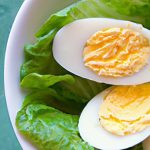
- Prepare toppings: Soft boil eggs for 6-7 minutes, then cool in ice water before peeling. Slice and set aside. Prepare other toppings such as green onions, corn, and nori strips.
- Assembly: Divide the cooked noodles into serving bowls. Ladle the hot broth over the noodles, ensuring each bowl gets a generous amount of mushrooms and greens.
- Top and serve: Garnish with soft-boiled eggs (halved), green onions, corn, nori strips, and a sprinkle of toasted sesame seeds. Serve instantly, enjoying the layered textures and umami-rich broth.
Tips for Success
- Noodle selection: When choosing gluten-free noodles, prioritize those made from brown rice, tapioca, or a blend that offers elasticity. Avoid 100% corn-based options, which can be brittle.
- Miso Substitute: If you don’t have miso paste, a spoonful of tahini or peanut butter can add creaminess, though the flavor will be different.
- Make-Ahead Broth: Prepare the broth base in advance and refrigerate for up to 3 days. Reheat gently before adding fresh greens and noodles.
- Vegetarian Option: Use vegetable broth and add umami-rich ingredients like dried shiitake powder or a splash of gluten-free mushroom soy sauce.
- adjust the Saltiness: Start with half the tamari amount and add more at tasting to prevent an overly salty broth.
- Quick Egg Hack: Substitute with store-bought marinated eggs (ajitsuke tamago) for an authentic touch without extra effort.
Serving Suggestions
Present your Quick & Simple Gluten-Free Ramen in deep bowls to showcase the steaming broth and vibrant toppings. Add a small dish of pickled ginger or kimchi on the side to add brightness. For a finishing touch, drizzle a few drops of chili oil or sprinkle shichimi togarashi if you love a bit of heat.

| Nutrient | per Serving |
|---|---|
| Calories | 420 kcal |
| Protein | 18 g |
| Carbohydrates | 50 g |
| Fat | 12 g |
For more inspired gluten-free recipes,check out our Gluten-Free Creative Dinners collection. To explore the health benefits of miso and its umami power, visit Healthline’s complete article.
Q&A
Q&A: Quick & Simple Gluten-Free Ramen - A Tasty Homemade Guide
Q1: What makes this gluten-free ramen recipe quick and simple?
A1: This recipe streamlines customary ramen by using readily available gluten-free ingredients and minimal preparation steps. Instead of lengthy broths that simmer for hours, we focus on flavorful, time-saving broths and easy-to-prepare toppings, making it perfect for a delicious meal in under 30 minutes.
Q2: How can I ensure the ramen noodles I use are truly gluten-free?
A2: Look for noodles specifically labeled gluten-free, often made from rice, buckwheat (100% buckwheat soba), or other gluten-free grains like millet or quinoa. Always check the packaging to confirm no cross-contamination has occurred during processing.
Q3: What are some gluten-free alternatives for traditional soy sauce used in ramen?
A3: Tamari is a great gluten-free substitute for soy sauce. It offers a similar umami flavor without wheat. Coconut aminos is another option, providing a slightly sweeter, milder taste that complements ramen nicely.
Q4: Can I customize the toppings on this gluten-free ramen?
A4: Absolutely! This guide encourages creativity. Typical additions include soft-boiled eggs, sautéed mushrooms, scallions, nori (seaweed), corn, and grilled chicken or tofu. Just ensure any added sauces or marinades are gluten-free.
Q5: Is this recipe suitable for those with celiac disease or just gluten intolerance?
A5: When strictly following gluten-free ingredient guidelines and avoiding cross-contamination, this recipe is safe for both celiac disease sufferers and those with gluten intolerance. Always double-check all packaged products and maintain a clean cooking environment.
Q6: Can I make the broth from scratch or use store-bought to save time?
A6: Both options work well. For the quickest results, a high-quality gluten-free broth or stock can be enhanced with garlic, ginger, and gluten-free tamari. If you have more time, a homemade broth using fresh ingredients will deepen flavors and elevate your ramen experience.
Q7: How can I add more depth to the gluten-free ramen broth without adding gluten?
A7: Use ingredients like roasted garlic, ginger, shiitake mushrooms, miso paste (gluten-free certified), and sesame oil to develop rich, layered flavors. These naturally gluten-free elements bring warmth and umami to the broth without relying on wheat-based components.
Q8: What’s the best way to cook gluten-free noodles without them becoming mushy?
A8: Gluten-free noodles can be delicate, so cook them separately in boiling water for a shorter time than packaged directions may suggest. Rinse them quickly with cold water to halt cooking and drain well before adding to the broth.
Q9: Are there any quick gluten-free ramen seasoning mixes I can buy?
A9: Yes, several brands offer gluten-free ramen seasoning packets or powder blends. Just confirm the label claims gluten-free certification to ensure safety. Alternatively, you can mix your own with gluten-free miso, tamari, garlic powder, and dried seaweed flakes.
Q10: How can this gluten-free ramen recipe fit into a balanced diet?
A10: This recipe combines carbohydrates, proteins, and vegetables in one bowl, making it a balanced meal.By adjusting portion sizes and topping choices, you can tailor it to your dietary needs-whether you want it lighter with more veggies or heartier with added protein.
Closing Remarks
Whipping up a comforting bowl of gluten-free ramen doesn’t have to be a culinary marathon. With these quick and simple steps, you can enjoy a flavorful, homemade meal that suits your dietary needs without sacrificing taste or time.Whether you’re a seasoned chef or a kitchen newbie, this guide proves that delicious ramen is well within reach-no gluten, no fuss, just pure satisfaction in every slurp. So next time hunger strikes,let your creativity flow and savor a bowl made just for you.