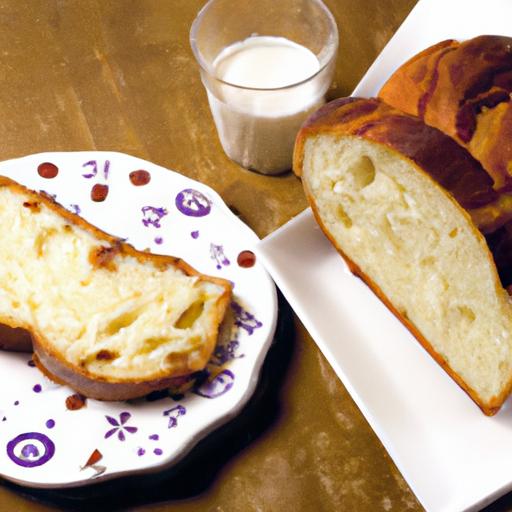

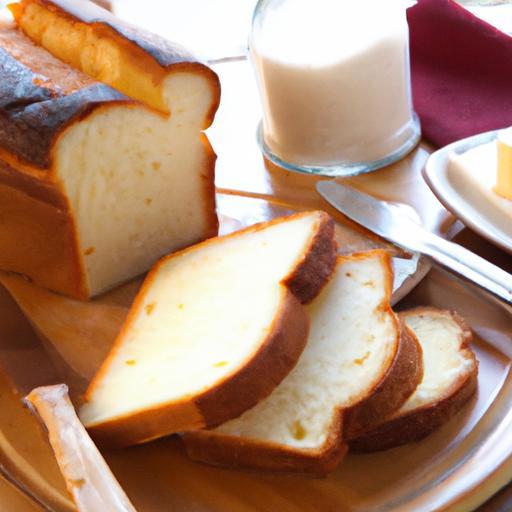
There’s something undeniably comforting about the simple pleasures of life, and few treats embody this as perfectly as milk and honey bread. With its tender crumb and subtle sweetness, this bread invites you to slow down and savor each bite. Combining the creamy richness of milk with the natural sweetness of honey, it offers a delicate flavour that effortlessly elevates any moment-whether enjoyed fresh from the oven or toasted with a pat of butter. In this article, we explore the charm behind milk and honey bread, uncovering why it continues to be a beloved staple for those seeking a soft, sweet delight.
Milk and honey bread captivates with its irresistibly soft crumb and gentle sweetness, a true testament to the gentle art of baking. This loaf, inspired by customary Japanese milk bread and enhanced with the natural richness of honey, creates a texture so tender it almost melts in your mouth. It’s a bread meant to be savored slowly-ideal for breakfast, an elegant afternoon snack, or a comforting companion to your favorite tea or coffee.
Prep and Cook Time
- Preparation: 20 minutes
- Proofing: 1 hour 30 minutes (divided in two rises)
- Baking: 30 minutes
- Total Time: Approximately 2 hours 20 minutes
Yield
One loaf (about 12-14 slices),serving 8-10 people
Difficulty Level
Medium - beginner bakers with patience will find this approachable
Ingredients
- 3 ½ cups all-purpose flour,sifted
- 2 tablespoons honey (preferably raw or wildflower for depth)
- 1 cup whole milk,lukewarm (~110°F)
- 2 ¼ teaspoons active dry yeast (1 packet)
- 3 tablespoons unsalted butter,softened
- 2 tablespoons granulated sugar
- 1 teaspoon salt
- 1 large egg
- Extra butter for brushing post-bake (optional)
Instructions
- Activate the yeast: In a small bowl,combine lukewarm milk,honey,and yeast.Stir gently and let it sit for 5-10 minutes until frothy. This ensures your milk and honey bread will rise beautifully.
- Combine dry ingredients: In a large mixing bowl, whisk together the sifted flour, sugar, and salt, ensuring even distribution.
- Add wet ingredients: Make a well in the center of the dry mix. add the yeast mixture, softened butter, and beaten egg. Begin mixing by hand or with a dough hook on low speed until the dough starts to come together.
- Knead the dough: Turn onto a lightly floured surface and knead for 10 minutes, or use a stand mixer with a dough hook for 7 minutes. The dough should become smooth, elastic, and slightly tacky but not sticky – a hallmark of perfect milk and honey bread dough.
- First rise: Form the dough into a ball and place it in a lightly oiled bowl, turning to coat.Cover with a clean kitchen towel or plastic wrap. Let it rise until doubled in size, about 1 hour in a warm spot, avoiding direct sunlight for an even rise.
- Shape the loaf: Lightly punch down the dough to release trapped air, then turn it out onto a floured surface. Gently flatten into a rectangle, about 10×15 inches.Fold the dough in thirds,like a business letter,then roll it tightly into a loaf shape.Pinch seams firmly.
- Second rise: Place the shaped dough into a greased 9×5-inch loaf pan. Cover and let rise for 45-60 minutes,or until the dough crests about 1 inch above the rim.
- Bake: Preheat your oven to 350°F (175°C).Bake the bread for 25-30 minutes until golden brown and the loaf sounds hollow when tapped. For a soft crust, brush the top with melted butter instantly after baking.
- Cool: Remove the bread from the pan and transfer to a wire rack. Allow to cool fully before slicing to preserve the delicate crumb structure.
Tips for Baking the Softest and Most Flavorful Loaf
- use lukewarm milk to activate the yeast gently-too hot can kill the yeast, too cold slows fermentation.
- Substituting bread flour can yield an even chewier texture, while all-purpose flour keeps it tender.
- For a deeper honey flavor, try infusing the milk with a cinnamon stick or vanilla pod during warming.
- Lightly brushing butter on the crust after baking not only enhances flavor but also keeps the crust tender for days.
- Store in an airtight container at room temperature for up to 3 days or freeze slices individually to preserve freshness.
Creative Serving Suggestions to Elevate Your Milk and Honey Bread Experience
This milk and honey bread is a versatile canvas for myriad culinary adventures. Start your morning by toasting a thick slice and spreading it with creamy ricotta and a drizzle of honey for an elegant twist. Afternoon tea calls for warm slices layered with seasonal fruit preserves and dollops of clotted cream. For a playful brunch, convert this loaf into fluffy French toast dusted with cinnamon sugar and topped with fresh berries and maple syrup.
For a savory balance, use it as a base for open-faced sandwiches topped with smoked salmon, dill, and a squeeze of lemon, or simply with ripe avocado and flaky sea salt. Garnish plates with edible flowers or a dusting of powdered sugar for a touch of whimsy.
Nutritional Information per Slice (approximate)
| Nutrient | Amount |
|---|---|
| Calories | 150 kcal |
| Protein | 4g |
| carbohydrates | 28g |
| Fat | 3g |

Discover more about the magic of yeast baking in our Guide to Yeast Baking, and for scientific insight on yeast fermentation and dough chemistry, visit the King Arthur Baking Guide.
Q&A
Q: What is Milk and Honey Bread?
A: Milk and Honey Bread is a tender, slightly sweet loaf known for its soft, pillowy texture and subtly rich flavor. It combines the creamy smoothness of milk with the natural sweetness of honey, resulting in a bread that’s both comforting and delightful to the palate.
Q: How does Milk and Honey Bread differ from regular white bread?
A: Unlike typical white bread, Milk and Honey Bread incorporates honey as a natural sweetener and milk to enrich the dough. These ingredients contribute to a moister crumb, a delicate sweetness, and a golden hue, making it more flavorful and soft then standard loaves.
Q: What makes Milk and Honey Bread so soft?
A: The combination of milk fats and honey’s humectant properties keeps the bread moist longer. Additionally, gentle kneading and proper fermentation allow gluten to develop just enough for elasticity without toughness, producing a loaf that’s irresistibly tender.
Q: Is Milk and Honey Bread suitable for all types of meals?
A: Absolutely. Its mild sweetness and soft texture make it versatile-perfect for breakfast toast with butter, sandwiches, or even alongside savory dishes. It can elevate simple meals or stand on its own as a sweet snack.
Q: Can Milk and Honey Bread be made at home easily?
A: Yes, with basic baking ingredients and a bit of patience, baking Milk and Honey Bread at home is quite achievable. Many recipes are straightforward, requiring familiar steps like mixing, kneading, rising, and baking, ideal for both beginners and seasoned bakers.
Q: What are some creative ways to enjoy Milk and Honey Bread?
A: Try slathering it with nut butter and fresh fruit, or dip it into warm tea or coffee for a comforting treat. It also pairs wonderfully with soft cheeses,or can be transformed into french toast,adding a sweet twist to classic breakfast fare.
Q: Does the honey in the bread affect its shelf life?
A: Honey acts as a natural preservative by retaining moisture, which helps the bread stay fresh and soft longer than usual. Still, it’s best enjoyed within a few days for optimal flavor and tenderness.
Q: Is Milk and Honey Bread suitable for special diets?
A: While it’s rich and wholesome, Milk and Honey Bread contains dairy and honey, so it’s not vegan or suitable for those allergic to these ingredients. However, it can be adapted with substitutes for certain dietary needs.
Insights and Conclusions
Whether enjoyed fresh from the oven or toasted to golden perfection, milk and honey bread offers a comforting embrace in every bite-a simple yet luscious reminder that the sweetest pleasures frequently enough come in the softest forms.As you savor its tender crumb and subtle sweetness, this delightful loaf invites you to slow down, appreciate life’s gentle moments, and find joy in the humble artistry of bread.