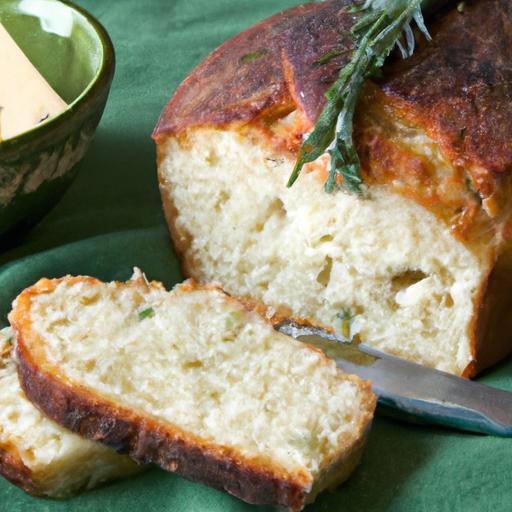

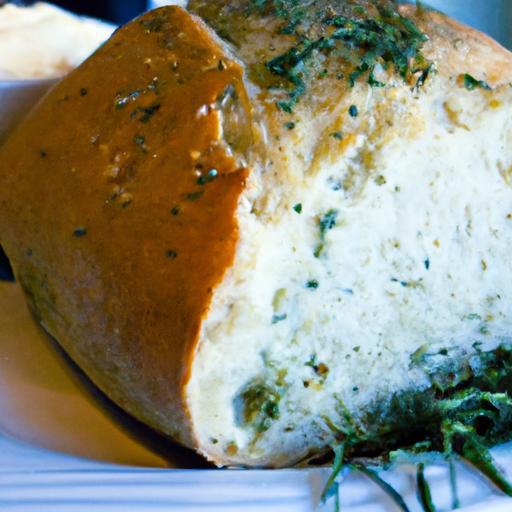
There’s something uniquely comforting about the aroma of freshly baked bread wafting through the kitchen, drawing family and friends together. Cottage Cheese Dill Bread embodies this warmth with its soft, tender crumb and subtle savory notes, making it a delightful addition to any meal. This homemade bread combines the creamy richness of cottage cheese with the fresh, herbaceous bite of dill, resulting in a loaf that’s as flavorful as it is inviting. Whether enjoyed warm from the oven or sliced thin for sandwiches, Cottage Cheese Dill Bread promises a satisfying taste experience that feels both wholesome and indulgent.
Cottage cheese dill bread celebrates the harmonious marriage of creamy, tangy cottage cheese with the fresh, slightly citrusy bite of dill, creating a savory loaf that feels both indulgent and wholesome. Drawing inspiration from Eastern European baking traditions, this bread invites you into the art of balancing moisture and flavour in every slice. Whether enjoyed warm with a swipe of butter or paired with vibrant salads and smoked fish, this recipe elevates everyday baking into an aromatic experience.
Prep and Cook Time
Readiness: 20 minutes
Proofing: 1 hour 15 minutes
Baking: 35-40 minutes
Total Time: Approximately 2 hours 15 minutes
Yield
Makes 1 medium loaf, serves 8 slices
Difficulty Level
Medium: Suitable for confident beginners familiar with yeast baking techniques
Ingredients
- 3 cups all-purpose flour, sifted
- 1 cup cottage cheese, well-drained
- 2 teaspoons fresh dill, finely chopped (or 1 tsp dried dill)
- 1 packet (2 ¼ teaspoons) active dry yeast
- ½ cup whole milk, warmed (about 110°F/43°C)
- 2 tablespoons unsalted butter, melted, plus extra for greasing
- 1 tablespoon honey or sugar
- 1 large egg, beaten
- 1 teaspoon kosher salt
- Optional: ½ teaspoon garlic powder for a subtle savory depth
Instructions
- Activate the yeast: In a small bowl, combine the warm milk and honey. Sprinkle the yeast over the surface and let it bloom for 5-7 minutes until foamy.
- Prepare the wet ingredients: In a large mixing bowl, whisk together the cottage cheese, beaten egg, and melted butter until smooth and creamy.Stir in the finely chopped dill and, if using, garlic powder.
- Combine dry ingredients: In a seperate bowl, mix the sifted flour and salt.
- Bring dough together: Pour the yeast mixture into the wet ingredients. Gradually add the flour mixture, stirring with a wooden spoon until a rough dough forms.
- Knead to develop gluten: turn the dough onto a lightly floured surface. Knead gently but firmly for 8-10 minutes until the dough becomes soft, elastic, and slightly tacky. add flour sparingly to prevent sticking without drying the dough out.
- First rise: Lightly butter a clean bowl and place the dough inside. cover with a damp towel or plastic wrap. Let it rise at room temperature for 1 hour or until doubled in size.
- Shape your loaf: Punch down the dough gently to release air bubbles. Shape it into a tight oval or round form and place it in a greased loaf pan or on a parchment-lined baking sheet for a rustic shape.
- Second rise: Cover again and let the dough rise for 30-40 minutes until slightly puffy.
- Preheat oven: To 375°F (190°C) while the dough is proving.
- Bake with care: Brush the top lightly with milk or egg wash to encourage a golden crust. Bake for 35-40 minutes, rotating halfway through, until the bread sounds hollow when tapped and registers 200°F (93°C) internally.
- Cool and rest: Transfer the bread onto a wire rack and let it cool wholly before slicing. this step locks in moisture and prevents a gummy texture.
Tips for Success
- Ensure cottage cheese is well-drained: Excess liquid can make the dough too wet and affect structure. Strain through cheesecloth if needed.
- Fresh dill enhances flavor: If using dried,add slightly less and toss it in the flour to prevent clumping.
- Kneading is key: The right texture is a soft but resilient dough; under-kneading leads to dense textures, over-kneading to toughness.
- Proofing environment: Aim for a warm, draft-free area. A consistently warm spot helps yeast work optimally.
- Make-ahead option: You can refrigerate the dough overnight after the first rise-bring it back to room temperature and let it rise once more before baking.
- Variations: Add finely chopped scallions or swap dill for fresh chives for a different savory twist.
Creative Serving Suggestions to Elevate Your Homemade Bread
Warm slices of this cottage cheese dill bread pair beautifully with creamy herb spreads, smoked salmon, or a sharp tangy mustard. Consider a breakfast spread with avocado and poached eggs, or at dinner, serve alongside roasted vegetables and a crisp white wine. Garnish with a light drizzle of olive oil and fresh dill sprigs for visual appeal.
| Nutritional information (per slice) | Amount |
|---|---|
| Calories | 160 kcal |
| Protein | 7 g |
| Carbohydrates | 22 g |
| Fat | 5 g |
Explore more delicious bread recipes like Herb and Garlic Focaccia to diversify your homemade baking repertoire. For detailed insights into the science of bread texture, visit King Arthur Baking’s yeast bread guide.

Q&A
Q&A: Cottage Cheese Dill Bread – A Soft, Savory Homemade Delight
Q: What makes Cottage Cheese Dill bread different from other homemade breads?
A: Cottage Cheese Dill Bread stands out thanks to its unique combination of creamy cottage cheese and fresh dill, which infuse the bread with a moist texture and a subtle herbaceous flavor. Unlike traditional breads, this loaf balances softness with a savory tang, making it perfect for snacking or complementing meals.
Q: How does cottage cheese affect the texture of the bread?
A: Cottage cheese adds moisture and richness to the dough,resulting in a tender crumb that stays soft even after baking. Its mild creaminess also contributes to a slightly denser, more satisfying loaf compared to lean breads.
Q: Can I substitute fresh dill with dried dill, or another herb?
A: Absolutely! While fresh dill offers a radiant, grassy note, dried dill can be used if fresh isn’t available-just use about one-third the amount.Other herbs like chives, thyme, or tarragon can also complement the bread, lending their own savory flair.
Q: Is this bread suitable for beginners in baking?
A: Yes, Cottage Cheese Dill Bread is beginner-friendly. The recipe typically involves straightforward ingredients and simple kneading steps. Plus,the forgiving moisture from cottage cheese helps create a soft loaf even if measurements aren’t exact.
Q: What are some ideal pairings for this bread?
A: This savory loaf pairs beautifully with soups, salads, smoked fish, or as a base for open-faced sandwiches. Its herb-infused flavor also complements cheeses like cream cheese or goat cheese, making it a versatile addition to any table.
Q: How should I store Cottage Cheese Dill Bread to keep it fresh?
A: To maintain its softness, store the bread in an airtight container or tightly wrapped in plastic wrap at room temperature for up to three days.For longer storage, slice and freeze it in a sealed bag, then toast slices directly from the freezer.
Q: Can I make this bread gluten-free?
A: With some recipe adjustments,yes. Substitute regular flour with a gluten-free blend formulated for baking, and add binding agents like xanthan gum if not included. Keep in mind the texture may vary slightly, but the savory flavor will still shine through.
Q: What inspired the combination of cottage cheese and dill in bread?
A: The inspiration lies in blending the tangy creaminess of cottage cheese with the fresh,slightly anise-like aroma of dill-an herb deeply rooted in many European culinary traditions. Together, they create a comforting bread that evokes homemade warmth with a sophisticated twist.
Q: Is this bread suitable for sandwiches?
A: Definitely! Its soft crumb and savory flavor profile make it an excellent choice for sandwiches, especially those featuring deli meats, fresh vegetables, or spreads. The dill adds a nuanced depth that elevates simple sandwich fillings.
Q: Can I add other ingredients like seeds or nuts to the dough?
A: Yes! Adding ingredients like sunflower seeds,flaxseeds,or chopped nuts can introduce additional texture and nutty flavors. Just fold them into the dough during mixing for a delightful crunch that complements the soft interior.
To Wrap It Up
As the aroma of freshly baked cottage cheese dill bread fills your kitchen, you’ll find that this simple yet flavorful loaf transforms any meal into a comforting experience. Its soft texture and savory herb notes make it perfect for everything from a quiet breakfast to a lively dinner gathering. Whether you’re a seasoned baker or a curious beginner, this homemade delight invites you to enjoy the wholesome goodness and timeless charm of baking from scratch. So, slice a piece, savor the unique blend of creamy cottage cheese and fragrant dill, and let this bread become a beloved staple in your culinary repertoire.