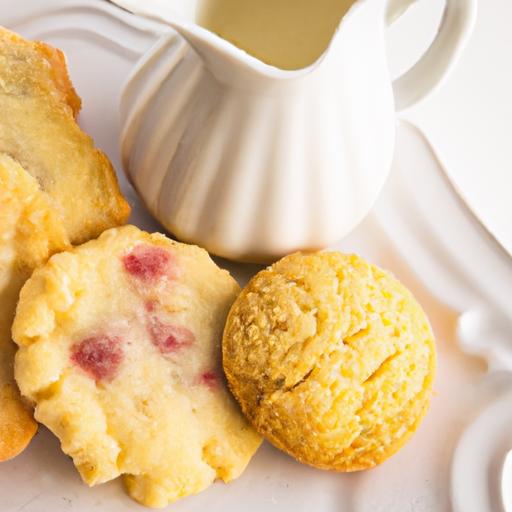

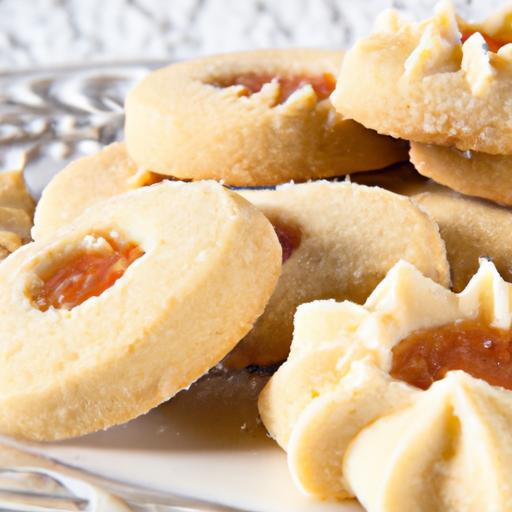
In the quiet coastal villages of Brittany, where the sea breeze carries whispers of old traditions, a simple yet exquisite treat has been enchanting palates for centuries: the Breton shortbread cookie.Known for its rich, buttery texture and subtly sweet flavor, this humble biscuit embodies a delicate balance of ingredients and craftsmanship passed down through generations.More than just a dessert, the Breton shortbread is a symbol of heritage-a timeless delight that captures the essence of French baking artistry. This article explores the origins, techniques, and cultural significance behind these iconic cookies, inviting readers to discover the enduring charm of Breton shortbread.
Breton Shortbread Cookies are a timeless delight, celebrated for their perfectly buttery texture and rich, caramelized flavor. Originating from Brittany, the rugged northwest coast of France, these cookies embody the region’s storied heritage of simple yet profound culinary artistry. Known locally as “Sables Bretons,” they have been cherished as an emblem of conviviality and comfort, enjoyed alongside a warm cup of tea or an indulgent glass of cider. Their unique crumbly yet tender bite comes from centuries-old recipes passed down through families, making every batch a fragrant homage to Breton coastal life.
Prep and Cook Time
- Preparation: 15 minutes
- Chilling: 1 hour
- Baking: 15 minutes
- Total Time: 1 hour 30 minutes
Yield
Approximately 24 medium-sized cookies
Difficulty Level
Easy to Medium – perfect for bakers with basic skills seeking a classic French treat
Essential Ingredients for Authentic Results
- 1 cup (225g) unsalted butter,cold and cubed,ideally French-style European butter (82% fat)
- 3/4 cup (150g) granulated sugar
- 2 large egg yolks,at room temperature
- 2 cups (250g) all-purpose flour,sifted
- 1/2 cup (60g) cornstarch
- 1/2 teaspoon fine sea salt
- 1 teaspoon pure vanilla extract (optional,but adds a subtle aromatic note)
mastering the Perfect Buttery Texture and Rich Flavor: Step-by-Step Instructions
- Prepare the dough: In a mixing bowl,cream the cold butter and granulated sugar together until light and fluffy,about 3-4 minutes using an electric mixer on medium speed.
- Add the yolks: Beat in egg yolks one at a time, until fully incorporated, enhancing richness and color.
- Combine dry ingredients: in a separate bowl, whisk the all-purpose flour, cornstarch, and sea salt together to ensure even distribution and a tender crumb.
- Mix dry with wet: Gradually fold the dry mixture into the butter mixture with a spatula until just combined.Avoid over-mixing to retain the delicate texture.
- Chill the dough: Turn the dough out onto a sheet of plastic wrap, form into a disc, wrap tightly, and refrigerate for at least 1 hour to firm up-this is key for clean cookie edges and perfect bite.
- Preheat the oven: set to 350°F (175°C).Line baking sheets with parchment paper or a silicone mat.
- Shape the cookies: roll the dough to about 1/3 inch thickness on a lightly floured surface. Using a fluted round cookie cutter (about 2½ inches diameter), cut out shapes and place them on the prepared sheets, spacing evenly.
- Optional decoration: Lightly prick tops with a fork or create a gentle pattern for an artisanal look.
- Bake: Place in the oven and bake for 12-15 minutes until edges turn a golden caramel hue.Rotate the baking sheet halfway for even heat exposure.
- Cool: Remove cookies from the oven and transfer to a wire rack instantly to cool wholly-this prevents excess moisture and keeps that signature crumbly texture.
Chef’s Tips for Success
- Use high-quality, cold butter to emulate the iconic flaky richness of Breton cookies.
- Chilling the dough is crucial. If skipped, cookies may spread and lose their characteristic sandy texture.
- For a subtle depth, add a teaspoon of finely grated lemon zest or a few drops of almond extract.
- To ensure even baking, avoid overcrowding the pan.
- Store cooled Breton shortbread cookies in an airtight container at room temperature to keep them crisp for up to one week; they also freeze well for longer storage.
Serving Suggestions
Serve these buttery treasures with a cup of Earl Gray tea, a glass of chilled French apple cider, or a splash of dark coffee for a elegant afternoon tea. garnish with a light dusting of powdered sugar or dip half of each cookie in melted dark chocolate for an elegant twist. Layer them as a base for crème fraîche and fresh berries to create a quick and stunning dessert.

| Nutrient | Amount per cookie |
|---|---|
| Calories | 110 kcal |
| protein | 1 g |
| Carbohydrates | 12 g |
| Fat | 6.5 g |
For more authentic French baking techniques and recipes, check out our Classic French Pastries collection. To deepen your knowledge of breton culinary culture, this Britannica article offers thorough insights.
Q&A
Q&A: timeless Delight – The Art of Breton Shortbread Cookies
Q: what makes Breton shortbread cookies unique compared to other shortbread varieties?
A: Breton shortbread, or “sablé breton,” is distinguished by its rich, buttery texture combined with a delicate crumb that strikes a perfect balance between crispness and tenderness. Unlike traditional shortbread that tends to be dry, Breton shortbread includes egg yolks and a touch of leavening, lending a slight richness and subtle lift that make each bite irresistibly tender yet firm.
Q: Where does the tradition of Breton shortbread originate?
A: These cookies hail from Brittany (Bretagne), a rugged region in northwest France known for its rich dairy, flaky butter, and deep culinary heritage. The Breton shortbread reflects this terroir, embodying the region’s love for buttery, simple, yet deeply satisfying baked goods.
Q: How has the recipe evolved over time?
A: While the core ingredients-flour, butter, sugar, and eggs-remain unchanged, modern interpretations sometimes incorporate flavor variations like lemon zest, vanilla, or even salt flakes to enhance the complexity. Though, the essence of a dense, buttery cookie with a golden crust remains central to the experience.
Q: what is the secret to achieving the perfect Breton shortbread texture?
A: The key lies in the quality of the butter and careful mixing. Using high-fat European-style butter creates richness, while incorporating egg yolks adds moisture and softness. The dough is gently mixed and briefly chilled to prevent spreading, allowing the cookies to bake into firm yet tender discs with a characteristic crumbly bite.
Q: Can Breton shortbread cookies be paired with other foods or beverages?
A: Absolutely. They pair wonderfully with a variety of accompaniments-consider a cup of strong black tea, a glass of dry cider (a Brittany specialty), or even a dollop of tangy fruit preserves. Their buttery profile balances well with both sweet and savory flavors.
Q: Why has Breton shortbread stood the test of time?
A: Its timeless appeal comes from the simple yet decadent harmony of ingredients that appeal to a broad palate. The cookie’s versatility and connection to regional tradition give it a story and a soul, inviting bakers and eaters alike to appreciate the art of convivial, uncomplicated indulgence.
Q: How can home bakers best approach making Breton shortbread?
A: Patience and precision are key. Use quality butter, don’t overwork the dough, and allow chilling time for better texture. Embrace the tactile nature of the dough-it should be soft but manageable. Baking until just golden ensures the ideal crumb, and don’t rush cooling, as it allows flavors to settle.
Q: Is there a cultural significance behind Breton shortbread?
A: Beyond being a beloved treat, Breton shortbread symbolizes the rustic elegance of Breton cuisine-where simple, high-quality ingredients combine to create exceptional comfort.It’s frequently enough shared during family gatherings and celebrations, reinforcing tradition and connection.
Q: How does the aesthetic presentation contribute to the cookie’s appeal?
A: The classic look of Breton shortbread-with its round, thick shape and subtly scalloped edges-is as inviting as its flavor. Its golden hue and delicate crumb invite a sensory experience that’s both visual and tactile, enhancing the anticipation of taste.
Q: Can Breton shortbread be considered an artisanal craft?
A: Certainly. Though seemingly simple, the making of authentic Breton shortbread requires an understanding of ingredient balance, dough handling, and baking precision. Mastery of these elements transforms humble ingredients into a culinary classic that delights both palate and soul.
To Wrap It Up
As the delicate crumb of a Breton shortbread melts softly on the tongue, it carries with it centuries of tradition, craft, and simple pleasures. This timeless delight, born from the rugged coasts of Brittany, invites us to slow down and savor the quiet artistry in every buttery bite. Whether shared among friends or enjoyed in a moment of solitude, these cookies stand as a testament to the enduring power of humble ingredients transformed by skill and care. In celebrating the art of Breton shortbread, we not only honor a cherished culinary heritage but also embrace a sweet reminder that some flavors are truly everlasting.